Advanced Glaucoma Treatments and Laser Innovations
Advanced Glaucoma Treatments and Technology
Glaucoma remains one of the leading causes of irreversible blindness worldwide, affecting millions of individuals. Recent advancements in treatment modalities and technology have provided new hope for effective management of this condition. With a focus on innovative techniques, laser treatments, and minimally invasive surgical options, the landscape of glaucoma care is evolving rapidly, significantly transforming patient experiences.
Laser Treatments for Glaucoma
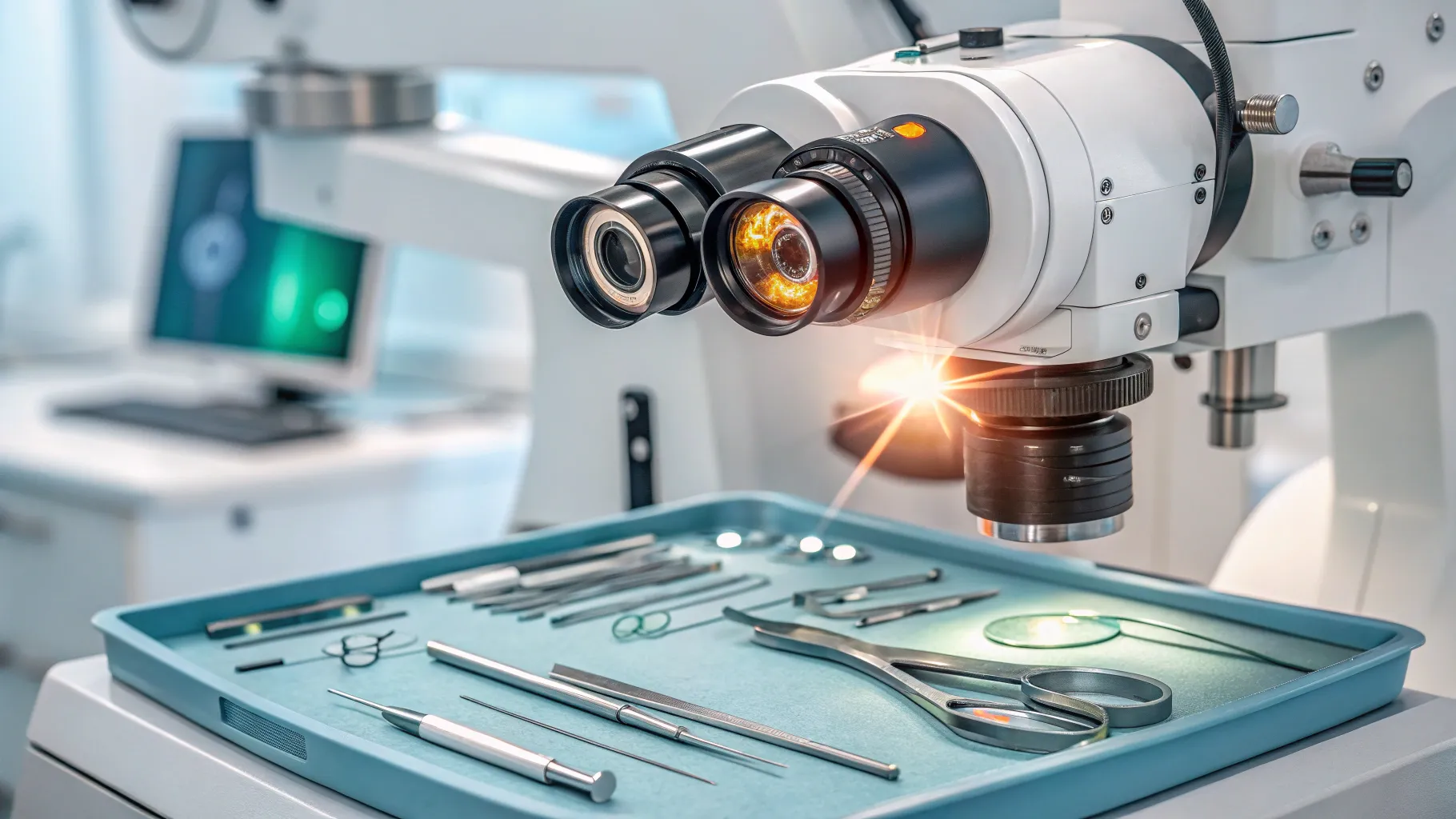
One of the most significant advancements in glaucoma management has been the integration of laser treatments. Procedures such as Selective Laser Trabeculoplasty (SLT) and Argon Laser Trabeculoplasty (ALT) are increasingly utilized to improve aqueous outflow and reduce intraocular pressure (IOP) with minimal complications. In recent months, clinical data have shown that SLT can effectively lower eye pressure in over 75% of patients, offering a non-invasive alternative to traditional eye drops.
Laser treatments are particularly advantageous for patients who struggle with the adherence to daily medication regimens. In a study conducted earlier this year, results indicated that patients receiving laser treatments experienced enhanced pressure control and reported higher satisfaction compared to those solely reliant on medications.
- SLT requires no hospital stay and can usually be performed in an outpatient setting.
- Minimal discomfort reported during and after the procedure.
- Long-term follow-up indicates sustained pressure reduction, often lasting several years.
Micro-surgical Procedures to Reduce Eye Pressure
As glaucoma management continues to evolve, minimally invasive glaucoma surgery (MIGS) has emerged as a popular option between traditional surgery and medication. These micro-surgical techniques allow for safer and quicker recovery while effectively addressing elevated eye pressure. With an increase in clinical applications over the past year, a variety of MIGS options such as the iStent and Trabectome have shown promising results.
The iStent, for instance, involves placing a small device in the drainage canal of the eye, promoting fluid outflow and reducing pressure. Clinical trials have illustrated that patients who underwent iStent procedures achieved over 22% decrease in IOP without a corresponding increase in medications.
Moreover, new research has indicated that these procedures also yield long-term benefits. Follow-up data as recent as last month demonstrates that around 60% of patients maintain stable IOP reductions up to three years post-surgery.
Benefits of Minimally Invasive Glaucoma Surgery
Minimally invasive glaucoma surgery offers several commendable benefits:
- Less trauma to surrounding tissues, leading to quicker recovery times.
- Reduced need for post-operative medications and fewer side effects.
- Opportunity to combine with cataract surgery for patients with coexisting conditions.
Moreover, as patients today are more informed and have access to diverse treatment options, the choice of pursuing MIGS has become a mutual discussion between patients and their healthcare providers. This patient-centered approach ensures that individual preferences and specific conditions are taken into account, resulting in tailored management plans.
Innovations in Eye Pressure Therapy
Technological advancements are not limited to surgical procedures. The realm of eye pressure therapy has also benefitted from innovation, with the development of smart devices and continuous monitoring systems playing a pivotal role in tracking and managing glaucoma. Wearable technology, such as innovative smart contact lenses and pressure sensors, have emerged that can provide real-time data to both patients and physicians.
One exciting development includes the SmartLens, which can measure IOP and relay information directly to the patient’s smartphone. In pilot studies conducted earlier this year, 85% of users found peace of mind knowing they could monitor their condition conveniently and regularly.
This technological revolution empowers patients by equipping them with data that facilitates proactive decision-making, leading to better treatment adherence. Furthermore, patients who actively track their ocular health report lower anxiety levels regarding their condition.
Long-Term Effects of New Treatments
As the landscape of glaucoma treatment evolves, understanding the long-term effects of these new modalities is crucial. A recent long-term study spanning over five years demonstrated that patients who underwent a combination of micro-surgical techniques and laser treatments often experienced improved visual outcomes compared to traditional medication-based management. Not only does this underscore the efficacy of surgical interventions, but it also opens doors for future treatment paradigms in glaucoma care.
Analysis of patient experiences with advanced treatments reveals a growing trend toward satisfaction and engagement. Many patients express appreciation for the reduced burden of daily medication, coupled with the effectiveness of modern techniques in managing eye pressure.
Combining Medication and Technology
Despite the advances in surgical procedures, medication continues to play a role in glaucoma management. A holistic approach combining the latest in medication with cutting-edge laser and surgical techniques appears to yield the most favorable outcomes. Recent studies indicate that patients who adhere to prescribed treatment regimens while also leveraging advanced technologies experience improved quality of life and fewer complications over time.
Moreover, the cost of advanced treatments, while initially perceived as high, has shown to balance out when considering the potential long-term savings from reduced complication rates and less frequent hospital visits. Insurance companies are increasingly recognizing the reduced overall expenses associated with early intervention through innovative treatments, leading to greater coverage options for patients.
As we steer deeper into this era of advanced glaucoma treatments, both patients and healthcare providers can feel optimistic about the opportunities for improved eye health. The synergy of technologies, minimally invasive procedures, and individualized patient care is setting the stage for significant advancements in glaucoma management, ensuring that fewer patients face the threat of blindness.
Authored by FreshLifeWire team