Advanced COPD Management Strategies for Senior Lung Care
Advanced COPD Management Strategies for Optimal Senior Lung Care
Chronic obstructive pulmonary disease, or COPD, is a widespread condition impacting millions globally, especially seniors. As science and medicine advance, the strategies for managing COPD have become increasingly sophisticated. Today, effective therapy encompasses various approaches aimed at improving lung health and significantly enhancing the quality of life for patients. In this article, we delve into the latest treatments, including medications, home oxygen therapy, pulmonary rehabilitation, cost considerations, and the potential risks linked to these interventions.
Essential Components of COPD Management
Managing COPD effectively necessitates a comprehensive approach that integrates pharmacological treatments with lifestyle modifications. Let's explore the crucial elements of advanced COPD management.
Medications: Personalizing COPD Treatment
The cornerstone of COPD management is medication, aimed at alleviating symptoms, reducing complications, and enhancing overall pulmonary health. Patients often have various treatment options available to them:
- Bronchodilators: This category includes both beta-agonists and anticholinergics, which work to relax and open the airways. Recent studies reveal that patients using long-acting bronchodilators experience not only a decrease in exacerbations but also notable improvements in their exercise tolerance, crucial for maintaining daily activities.
- Inhaled Corticosteroids: These serve to diminish airway inflammation. New clinical guidelines now advocate for their use in patients with frequent exacerbations, efficiently helping to manage symptoms and prevent further health declines.
- Combination Inhalers: Combining a bronchodilator with an inhaled corticosteroid has increasingly proved effective, enhancing therapeutic outcomes while minimizing adverse effects. Recent trials indicate that these combinations can drastically reduce hospitalizations related to COPD.
According to a recent study from the American Thoracic Society conducted in early 2025, around 60% of COPD patients are now receiving combination therapy, signaling a significant move toward personalized medical approaches tailored to each patient's specific needs.
Home Oxygen Therapy: Enhancing Quality of Life
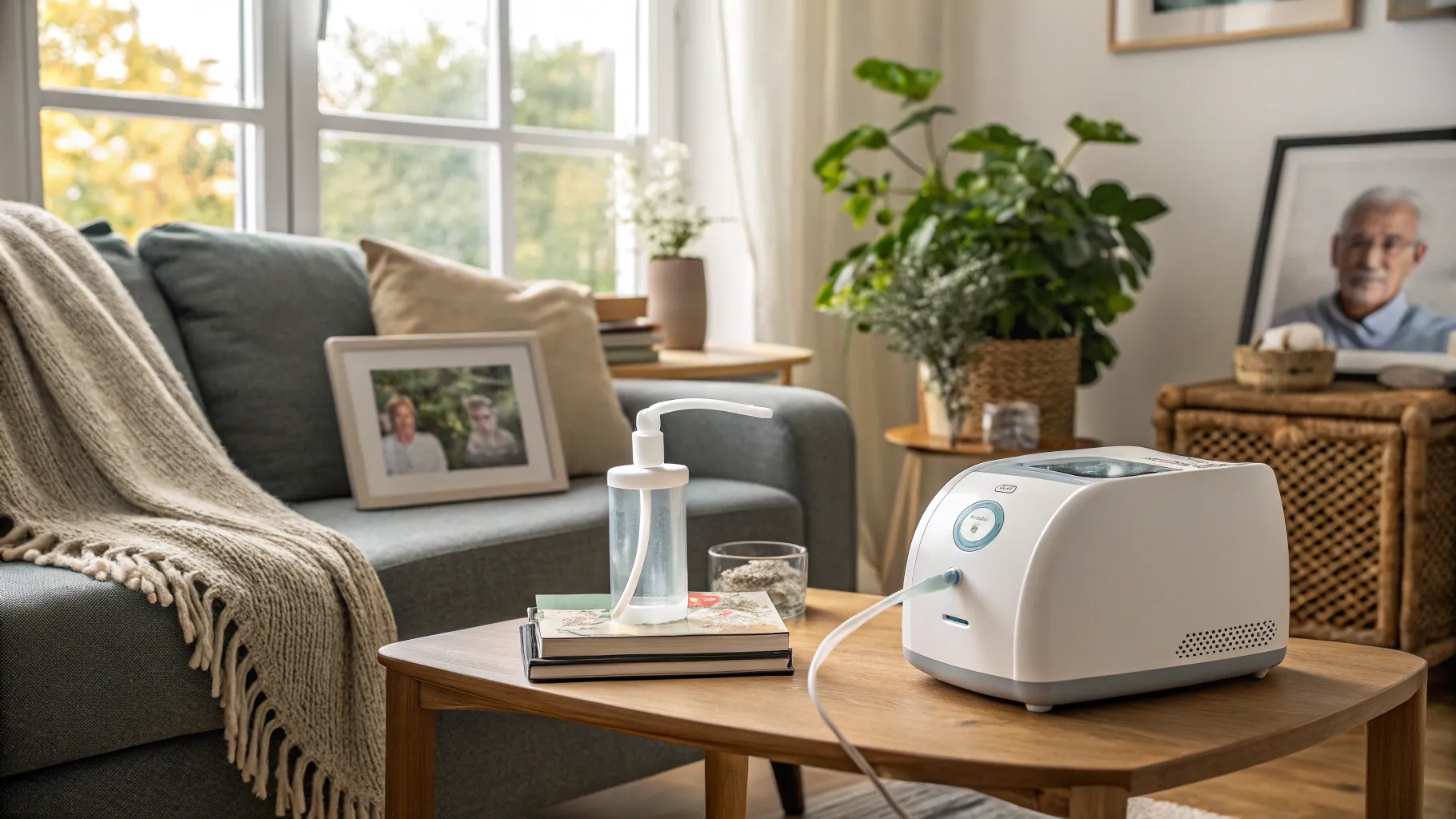
For countless seniors grappling with advanced COPD, home oxygen therapy emerges as a critical lifeline. This treatment is typically advocated for those exhibiting significant oxygen deficiency, determined through thorough arterial blood gas assessments. Not only does oxygen therapy alleviate immediate symptoms, but it also dramatically enhances the overall quality of life for seniors.
A recent survey published by the COPD Foundation reported that over 40% of patients utilizing supplemental oxygen experienced boosts in their energy levels and exercise capacity, linking oxygen therapy directly to improved lifestyle and mobility. Devices such as portable tanks and stationary concentrators make this therapy adaptable, enabling patients to maintain a more active life, even within the constraints of their condition.
Rehabilitation Programs: Paving the Way to Recovery
Additionally, structured pulmonary rehabilitation programs have gained substantial recognition as pivotal non-pharmacologic interventions for COPD management. These rehab programs typically merge physical exercise, education about the disease, and nutritional counseling tailored to meet individual patient needs.
The National Heart Lung Institute reported earlier this year that patients participating in supervised rehabilitation programs exhibited a remarkable 25% improvement in quality of life scores, reduced hospital admissions, and enhanced exercise endurance. This approach is especially beneficial for seniors, many of whom face physical limitations. Programs designed to consider these restrictions ensure every patient can participate in life-affirming activities and regain some control over their health.
Cost Considerations: Managing Financial Impact
As with any chronic condition, the financial factors of managing COPD cannot be overlooked. The costs associated with comprehensive COPD management fluctuate widely based on the treatment regimen. A typical plan that integrates medications, home oxygen, and rehabilitation may range between $300 and $800 monthly.
While these expenses can be substantial, many patients qualify for insurance coverage through Medicare or Medicaid programs, alleviating some of the financial burdens. Moreover, healthcare systems are increasingly moving toward integrated care models, emphasizing prevention and proactive management to diminish overall costs, specifically associated with emergency care.
Risk Awareness: Detecting Potential Issues
While advanced COPD therapies can improve quality of life and mitigate exacerbation risks, they also have potential side effects. For example, long-term use of inhaled corticosteroids carries an elevated risk of pneumonia, an issue of significant concern necessitating careful monitoring by healthcare providers. Ensuring adherence to treatment regimens is crucial to avoiding additional complications.
Enhancing education regarding the appropriate use of medications is vital for circumventing risks related to drug interactions and side effects. Open communication between patients and healthcare providers plays a crucial role in the effective management of COPD, allowing for tailored therapies that align with the unique needs and situations of seniors battling this condition.
As we advance in 2025, a holistic approach to managing COPD continues to develop, highlighting the importance of personalized care strategies. By focusing on medication compliance, effective use of home oxygen, engaging in pulmonary rehabilitation, and fostering ongoing education, seniors with COPD can regain mastery over their health and significantly improve their quality of life.
Living with COPD does not signify a life riddled with restrictions. With the right management tools and dedicated support, patients can harness the strength to breathe easier and enjoy richer, more fulfilling lives. Advanced strategies evolving in COPD management offer hope as ongoing research and health innovations pave the way for superior treatments and an enhanced quality of life for those coping with this chronic lung disease.
Authored by FreshLifeWire team