Advanced Cochlear Implants for Seniors Hearing Restoration
Exploring Advanced Hearing Implants for Seniors
In today's world, the ability to communicate effectively is more important than ever, especially for seniors. Advanced hearing implants, particularly cochlear implants, have revolutionized hearing restoration, offering hope to those who struggle with hearing loss. With recent advancements in technology, these devices have seen improvements that make them more accessible and effective than ever before, addressing a significant health concern for many older adults.
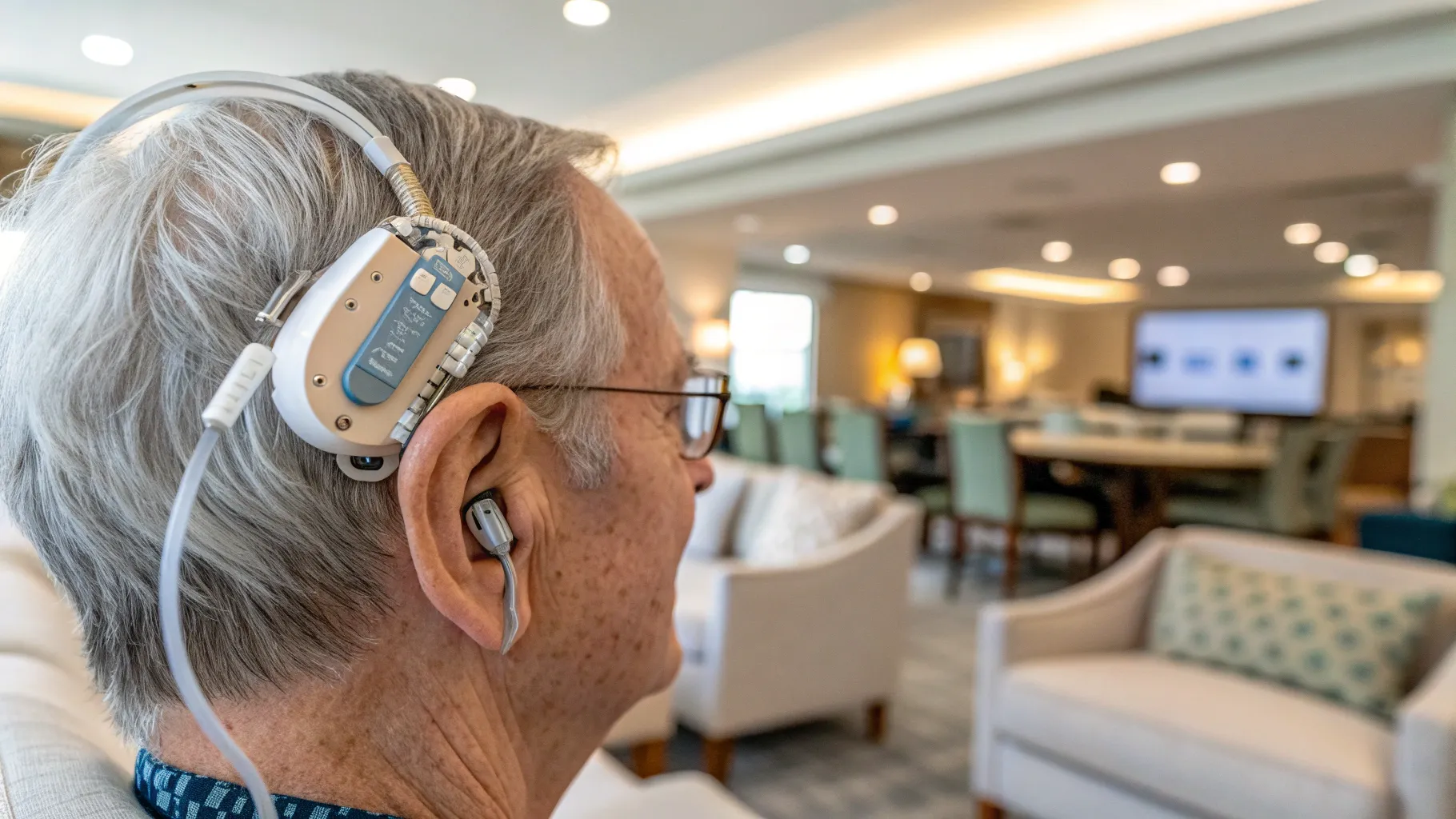
The Growing Need for Cochlear Implants in Seniors
Hearing loss affects a substantial portion of the senior population. According to recent studies, about 25% of seniors aged 65 and older experience disabling hearing loss. This number increases significantly with age, reaching 50% in those aged 75 and above. The result is not just a loss of sound but a profound impact on quality of life, including social isolation, depression, and cognitive decline.
Cochlear implants have emerged as a transformative solution for those who do not benefit from traditional hearing aids. Unlike hearing aids that amplify sound, cochlear implants bypass damaged parts of the ear and directly stimulate the auditory nerve. This difference is crucial for seniors who may have extensive inner ear damage. Recent advancements in cochlear implant technology have improved their performance, with better sound quality, increased reliability, and easier usability.
Understanding the Costs of Cochlear Implants
The journey towards hearing restoration with cochlear implants is not without its financial implications. A recent report shows that the average cost of a cochlear implant can range from $30,000 to $50,000, depending on factors such as the type of device and the institution performing the surgery. This figure often includes pre-operative evaluations, the implant itself, and post-operative rehabilitation.
For many seniors, the cost can be a significant barrier. However, it's worth noting that various insurance plans may cover a portion of the costs, particularly for individuals younger than 65. Medicare has also made strides in coverage, now including cochlear implants for eligible seniors. To navigate these financial concerns, it is advisable for seniors and their families to check with insurance providers and explore financial assistance programs tailored for hearing loss treatments.
Surgery and Recovery: What to Expect
The surgical procedure for cochlear implants generally takes about two to four hours and is performed under general anesthesia. Once the implant is placed, recovery starts immediately. Most patients can expect to return home the same day, and while the majority experience minimal pain, there may be swelling around the surgical site.
During the initial recovery period, patients are usually advised to avoid strenuous activities and follow their surgeon's post-operative care instructions diligently. Follow-up visits are critical as they allow audiologists to fine-tune the device and ensure optimal performance. The activation of the implant occurs weeks after surgery, allowing the healing process to conclude, and this is when many patients begin to perceive sound through their implants.
Risks and Complications
As with any surgical procedure, cochlear implants come with potential risks and complications, albeit they are generally considered safe. Common concerns include infection at the surgical site, device malfunction, or even the possibility of experiencing feelings of dizziness or imbalance post-surgery. Although rare, there have been reports of neurological complications or damage to the facial nerve, adding importance to the pre-surgical evaluation process.
Understanding these risks is vital for seniors and their families when considering cochlear implants. Pre-surgical counseling can help prepare individuals for what to expect and can significantly ease concerns regarding the procedure. It's crucial to have open conversations with healthcare providers about personal health history and any specific concerns regarding the surgery.
Rehabilitation and Long-Term Hearing Improvement
The journey does not end with surgery; hearing rehabilitation is an indispensable component of the cochlear implant experience. After activation, many patients undergo auditory rehabilitation, which involves working with audiologists and speech therapists. This phase focuses on recognition of sounds, utilizing the device effectively, and incorporating hearing into daily communication practices.
Recently, a new study indicated that older adults who engage in structured rehabilitation programs experience significantly better outcomes with their cochlear implants than those who do not. It’s common for the brain to need time to adjust to the new sounds, and rehabilitation helps ease this process. Patients are also encouraged to practice listening in different environments, which can enhance their auditory skills and improve overall communication.
As technology continues to advance, the support systems surrounding cochlear implants are also evolving. Virtual rehabilitation programs and smartphone applications now offer convenient ways for seniors to engage in exercises designed to boost their hearing skills from home. These innovations not only enhance access but also provide invaluable resources for ongoing support in the recovery process.
Ultimately, choosing a cochlear implant is a significant decision that can lead to remarkable improvements in hearing and overall quality of life for seniors. With the right information and resources, individuals can navigate the financial, surgical, and rehabilitative aspects with confidence. Hearing restoration is not just about sound; it's about rekindling connections with loved ones, engaging in social activities, and reclaiming independence.
Authored by FreshLifeWire team