Advanced Cataract Solutions with Premium IOLs and Laser Surg
Advanced Cataract Solutions Enhancing Senior Eye Care
Cataracts are among the most common eye conditions faced by millions globally, particularly affecting those aged 65 and older. As we navigate through 2025, the landscape of cataract treatment is evolving remarkably, thanks to innovative approaches like premium IOL implants and laser cataract surgery. These technologies not only promise improved outcomes for patients but also significantly enhance vision clarity. In this article, we explore these advanced solutions, examining their benefits, costs, recovery timelines, and associated risks to ensure that seniors receive the best possible eye care.
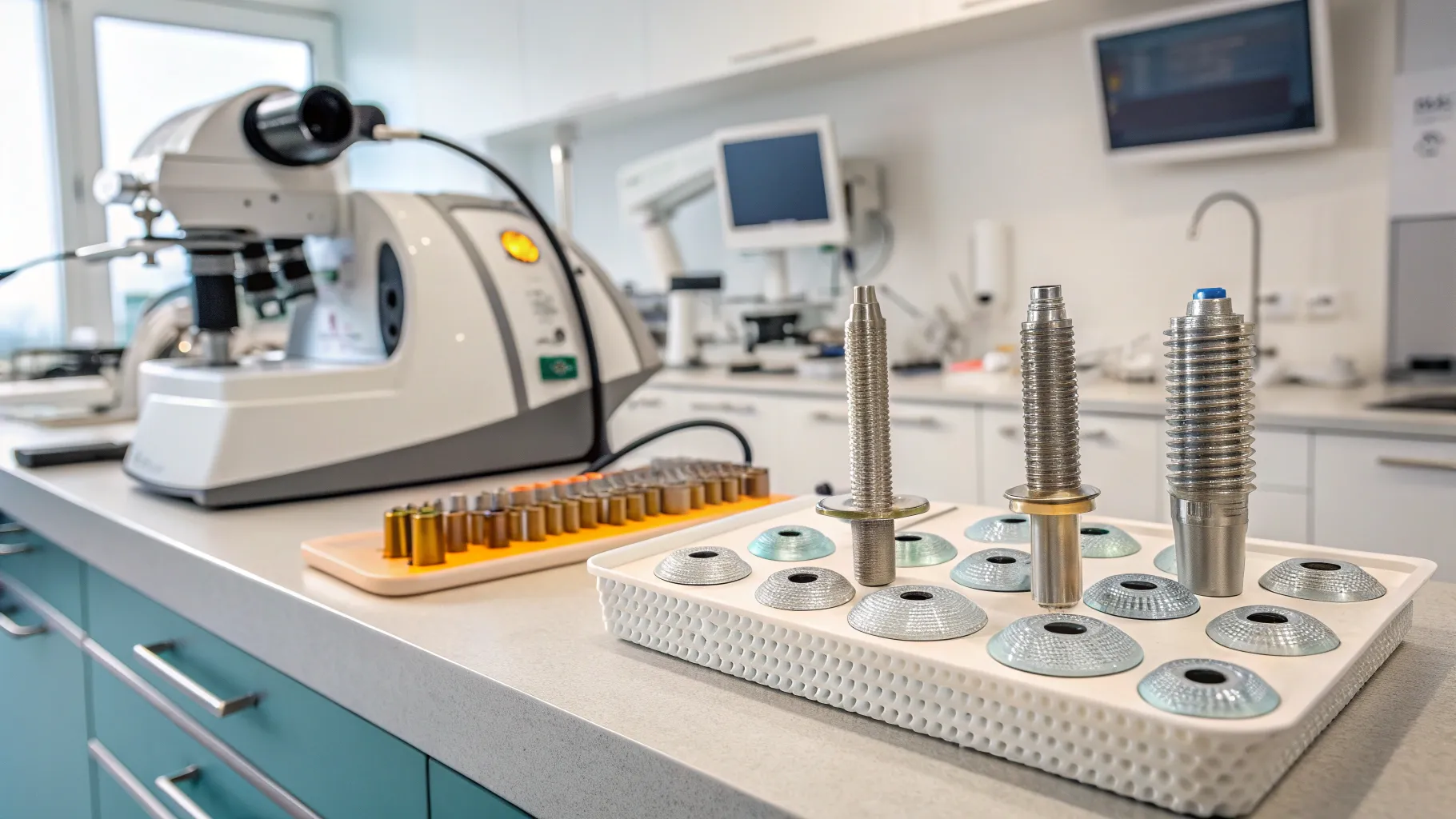
Understanding Premium IOL Implants
Traditional cataract surgery typically involves removing the cloudy lens and replacing it with a standard intraocular lens (IOL). However, the arrival of premium IOL implants marks a significant leap forward, offering enhanced vision quality tailored to individual needs. In 2025, the types of premium IOLs available include:
- Multifocal IOLs: Designed to provide clear vision at multiple distances, these lenses can help patients avoid the hassle of glasses for reading, driving, and other everyday activities.
- Accommodating IOLs: These sophisticated lenses move within the eye to focus on objects both near and far, closely mimicking the natural functionality of the eye's original lens.
- Toric IOLs: For patients with astigmatism, toric IOLs correct the uneven curvature of the eye, significantly improving overall visual clarity.
Recent statistics show that around 30% of those undergoing cataract surgery in 2025 are choosing premium IOL implants. Moreover, satisfaction rates among patients utilizing these advanced lenses exceed 90%, with many experiencing transformative improvements in their daily lives— from reading books to cooking and driving— often eliminating their dependence on glasses post-surgery.
The Shift Towards Laser Cataract Surgery
A game-changer in cataract treatments is laser cataract surgery, which employs state-of-the-art laser technology for several critical surgical steps. This method raises the precision of various procedural aspects, allowing for finer incisions in the cornea, more effective fragmentation of the cloudy lens, and accurate placement of IOLs.
The benefits of laser cataract surgery are manifold:
- Precision: Laser systems offer remarkable accuracy, which helps reduce the risk of complications associated with cataract surgery.
- Reduced Recovery Time: Many patients experience a quicker visual recovery, often returning to daily activities just days after the procedure.
- Minimal Discomfort: Most individuals report less discomfort during and after laser surgery, enhancing the overall patient experience.
As we see in 2025, approximately 60% of cataract procedures now utilize laser technology. Studies highlight that patients who undergo laser-assisted surgeries often achieve optimal vision outcomes within just a week, reinforcing the effectiveness of this cutting-edge approach.
Cost Considerations for Advanced Cataract Treatments
With the remarkable advantages of advanced cataract solutions come questions regarding costs. On average, traditional cataract surgery costs between $3,000 and $5,000 per eye. However, if patients opt for premium IOL implants, expenses can rise to anywhere between $5,000 and $8,000 per eye. Additionally, adding laser cataract surgery to the mix typically increases the total cost by approximately $1,500 to $2,500.
While many health insurance policies cover a portion of cataract surgery costs, they often vary significantly when it comes to premium IOLs and laser surgery. Patients are encouraged to discuss coverage specifics with their insurance providers so that they can fully understand their potential out-of-pocket expenses and explore financing options. Thankfully, as awareness increases, more patients are discovering flexible payment methods, making these advanced treatments more accessible.
Recovery Timeframes and Potential Risks
The recovery timeline following cataract surgery can vary, with traditional methods typically requiring about a week for full recovery. In contrast, patients who undergo laser cataract surgery often return to light activities within just a couple of days. It is vital for patients to adhere to their surgeon's post-operative care instructions, which generally include utilizing prescribed eye drops and attending follow-up appointments to monitor their recovery.
Though complications are rare with modern techniques, they can occur. Some potential risks associated with cataract surgery include:
- Infection
- Bleeding
- Swelling
- Changes in vision, such as halos or glare
Most complications can be effectively addressed with prompt treatment, ensuring that patients can focus on enjoying their enhanced vision and quality of life.
The Importance of Eye Care for Seniors
As individuals age, prioritizing regular eye care is paramount. Seniors are especially encouraged to schedule annual eye exams to detect early signs of cataracts and other vision-related issues. Early monitoring and intervention can play a vital role in maintaining a high quality of life and preventing further development of age-related eye conditions.
The demand for advanced cataract solutions, such as premium IOL implants and laser cataract surgery, is on the rise, providing seniors with the opportunity to enjoy clearer vision and an improved quality of life. With continuous advancements in eye care technology and surgical techniques, patients can trust that their visual health is in good hands with skilled professionals. Empowering seniors with refined vision through these state-of-the-art cataract treatments not only enhances their independence but also cultivates a deeper engagement with the world around them.
In summary, the advancements in cataract solutions in 2025 are revolutionizing the surgical experience and outcomes, enabling seniors to lead fulfilling lives with optimal eye health.
Authored by FreshLifeWire team