A Comprehensive Guide to Warehouse Picking and Packing Jobs
Facts:
- The e-commerce market drives high demand for logistics roles.
- Efficiency in picking can increase warehouse output by over 25%.
The Backbone of Modern Commerce: Inside Warehouse Operations
In the fast-paced world of e-commerce and global supply chains, warehouse picking and packing jobs represent the critical final touchpoint before a product reaches the customer. These positions are the engine room of logistics, ensuring that orders are assembled accurately, packed securely, and dispatched on time. Understanding the specifics of the warehouse picking and packing duties is the first step toward a successful career in this dynamic and essential industry. These roles are more than just manual labor; they require precision, speed, and a keen eye for detail to maintain the flow of goods that powers our economy.
A Detailed Look at Warehouse Picking and Packing Duties
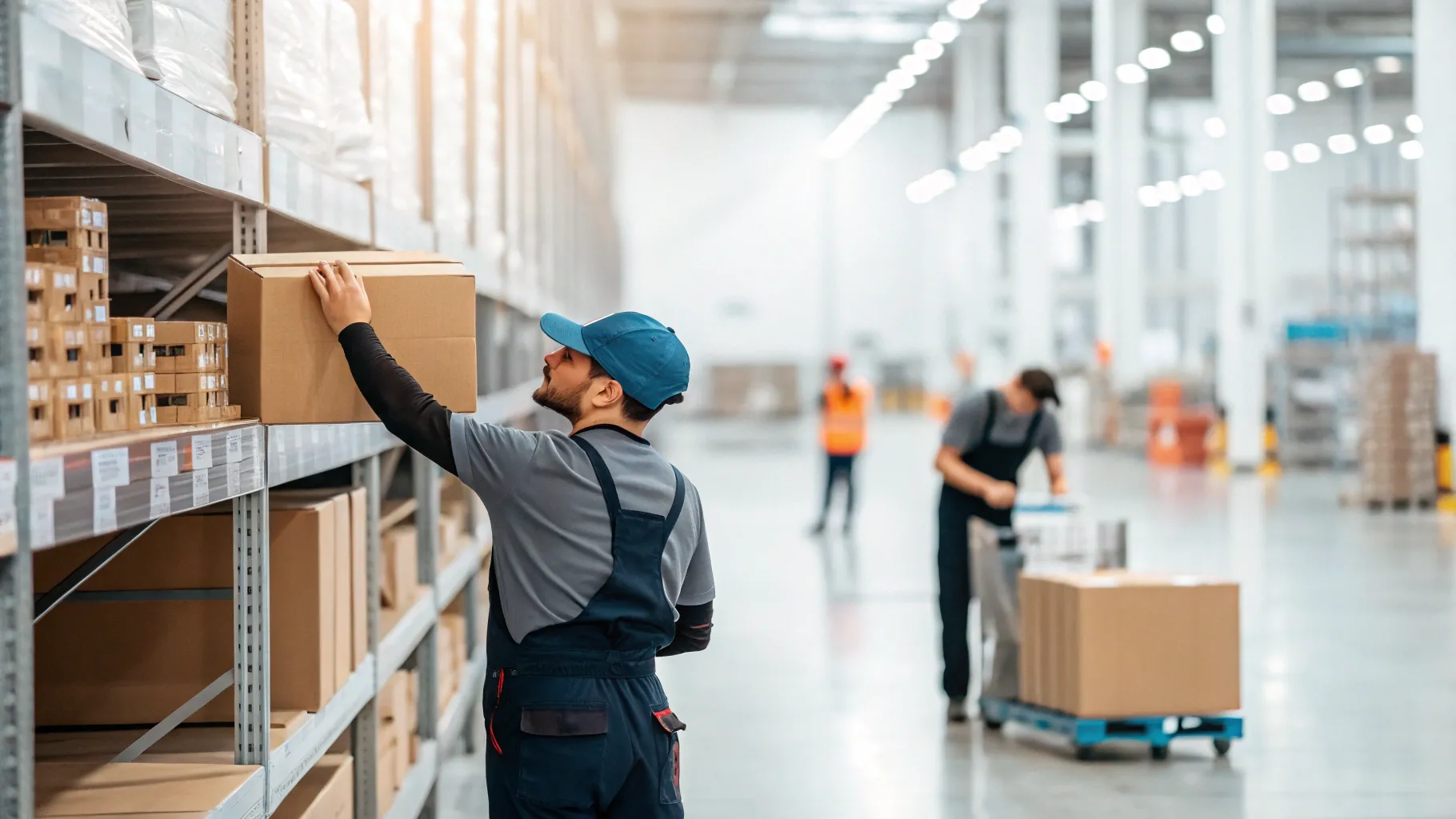
The core responsibilities of these roles can be broken down into two primary functions: picking and packing. While they sound simple, each involves a series of meticulous tasks. Picking is the process of locating and retrieving the correct items from warehouse shelves to fulfill a customer order. Pickers often use a paper pick list or, more commonly, a handheld RF (radio frequency) scanner that guides them to the exact location of each item. Accuracy is paramount. A mistake here can lead to customer dissatisfaction and costly returns. Once all items for an order are gathered, they are moved to a packing station. Here, the packer takes over. The key warehouse picking and packing duties include selecting the appropriate size box, using the right amount of protective material like bubble wrap or air pillows, and securely sealing the package. Packers are also responsible for enclosing invoices, applying the correct shipping label, and ensuring the final package meets company and carrier standards. This entire process is a cornerstone of successful order fulfillment job roles.
The Reality of the Modern Warehouse Work Environment
The typical warehouse work environment is a large, structured, and often bustling space. Think tall aisles of shelving, conveyor belts, forklifts, and dedicated workstations. Modern warehouses are increasingly clean, well-lit, and climate-controlled, though some areas may not be. The nature of the work is physically demanding, often requiring long periods of standing, walking, lifting, and bending. It's a fast-paced environment where meeting hourly or daily quotas is a standard expectation. Safety is a top priority, with strict protocols in place for everything from operating machinery to proper lifting techniques. While it can be physically strenuous, the warehouse work environment also fosters a strong sense of teamwork, as collaboration between pickers, packers, and supervisors is essential for smooth operations.
The Core Skills Needed for Packing Jobs and Fulfillment Roles
Success in this field relies on a specific set of abilities. While many positions are entry-level, possessing or developing these competencies can lead to greater efficiency and opportunities for advancement. The most crucial skills needed for packing jobs and picking roles involve a blend of physical capability and mental acuity. Employers look for candidates who are reliable, punctual, and have a strong work ethic. Attention to detail cannot be overstated; the ability to read order sheets or scanner information accurately and spot discrepancies is vital. Basic math skills are also necessary for counting inventory and verifying order quantities. Physical stamina is a given, as is the ability to work effectively both independently and as part of a larger team to achieve collective goals.
Exploring the Spectrum of Order Fulfillment Job Roles
While picking and packing are the most common, they are part of a broader ecosystem of order fulfillment job roles. Understanding these related positions can provide a clearer picture of potential career paths within a warehouse. A picker's primary job is retrieval. A packer focuses on preparation and security. A 'picker-packer' is a hybrid role that handles both functions. Other key roles include the 'Receiver,' who unloads incoming shipments and verifies their contents, and the 'Stocker' or 'Put-away Associate,' who places received goods into their designated storage locations. The 'Shipper' is responsible for loading outbound trucks and ensuring all packages are correctly manifested. Each of these order fulfillment job roles is a critical link in the supply chain, working together to move products from inventory to the customer's doorstep.
Actionable Steps to Secure a Warehouse Position
If you're looking to enter this field, there are several practical steps you can take to improve your chances. Here is some actionable advice to help you get started in one of the many available warehouse picking and packing jobs:
- Highlight Relevant Skills: On your resume, emphasize any experience that demonstrates attention to detail, reliability, and physical fitness. Even experience from retail or food service can be relevant.
- Practice Physical Preparedness: The job is physically demanding. Being in good physical condition will help you adapt more quickly to the role's requirements.
- Emphasize Safety Awareness: During interviews, mention your understanding of the importance of workplace safety. This shows you are a responsible candidate for the warehouse work environment.
- Be Flexible: Warehouses often operate around the clock. Being open to different shifts, including nights or weekends, can make you a more attractive applicant.
- Research Local Companies: Look up major distribution centers and logistics companies in your area. Many post job openings directly on their websites and have ongoing recruitment efforts.
Frequently Asked Questions
What are the primary warehouse picking and packing duties?
The primary duties involve accurately retrieving items from shelves based on an order list (picking) and then securely packaging those items for shipment, which includes selecting boxes, adding protective materials, and applying shipping labels (packing).
What is the typical warehouse work environment like?
It is generally a large, organized, and fast-paced setting. The work requires standing and walking for most of the shift and involves lifting objects. Safety protocols are strictly enforced to ensure a secure workplace for all employees.
What are the most important skills needed for packing jobs?
Key skills include strong attention to detail, physical stamina, basic math abilities for counting, reliability, and the ability to work efficiently to meet targets. Teamwork is also crucial in most order fulfillment job roles.
Are there opportunities for advancement in warehouse picking and packing jobs?
Yes, many companies promote from within. A dedicated and efficient picker or packer can advance to roles like team lead, supervisor, inventory control specialist, or forklift operator with additional training and experience.
References
- Logistics Management & Supply Chain Insights
- Occupational Safety and Health Administration Guidelines
- E-commerce and Retail Industry Reports
Authored by FreshLifeWire team