5 Symptoms of Thyroid Cancer
Understanding Thyroid Cancer
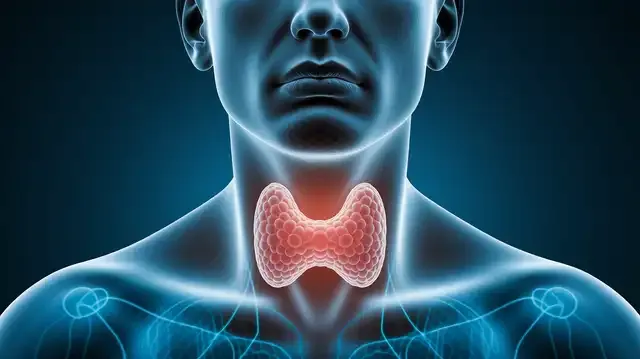
Thyroid cancer is a condition where malignant cells form in the tissues of the thyroid gland, a butterfly-shaped organ located at the base of the neck. As of 2025, this type of cancer continues to affect thousands globally, emphasizing the need for awareness of its symptoms. Identifying these symptoms early plays a crucial role in effective treatment.
Why Symptom Awareness Matters
In recent years, the incidence of thyroid cancer has seen a steady rise. According to the latest data, there are approximately 52,000 new cases recorded annually in the United States alone. While the increase can partially be attributed to enhanced diagnostic techniques, understanding symptom patterns is key to early diagnosis.
The 5 Common Symptoms
Each individual's experience with thyroid cancer can be unique, but there are five symptoms experts agree are common indicators.
1. A Noticeable Lump in the Neck
One of the first and most noticeable symptoms of thyroid cancer is a palpable lump or nodule in the neck. This lump typically doesn't cause pain but grows over time. Recent studies suggest that about 90% of patients diagnosed report this symptom.
2. Changes in Voice
A persistent change in voice, particularly hoarseness that does not improve, can indicate thyroid cancer. The American Thyroid Association notes that such changes occur when a tumor affects the recurrent laryngeal nerve, which impacts vocal cord function.
3. Difficulty Swallowing or Breathing
As a tumor grows, it can exert pressure on the esophagus or windpipe, leading to difficulty swallowing (dysphagia) or breathing. Research from early 2025 highlights that approximately 20% of patients report experiencing one of these issues prior to diagnosis.
4. Swollen Lymph Nodes
Enlarged lymph nodes in the neck, which are often painless, can also be an early sign of thyroid cancer. Lymph nodes become swollen as they trap cancer cells in their filtering process.
5. Persistent Cough Not Linked to a Cold
A cough that persists for weeks without symptoms of a cold or another respiratory infection might be associated with thyroid cancer. Recent clinical findings reveal that such a cough is more prevalent in patients with advanced stages of the disease.
Real-World Examples and Case Studies
Consider the case of Emma, a 45-year-old woman who noticed a persistent cough and subtle changes in her voice in early 2025. Initially dismissed as allergies, her symptoms led to further investigation. Once she insisted on a comprehensive exam, the discovery of a sizable thyroid nodule swiftly followed. Luckily, early detection allowed for a successful treatment plan, emphasizing the importance of patient advocacy and awareness.
Another case involved John, who detected a small lump while shaving. Familiar with common symptoms of thyroid issues, he promptly sought medical advice, leading to an early-stage diagnosis and a highly favorable prognosis. These examples stress how crucial it is to recognize and react to these symptoms without delay.
Healthcare Advancements and Final Thoughts
In the context of 2025, technology aids in earlier detection and treatment strategies. Thyroid cancer treatments, supported by innovations such as 3D-imaging and precise genomic testing, show increasingly promising outcomes. Medical experts are hopeful that awareness of symptoms combined with scientific advancements can pave the way for better patient prognosis worldwide. Maintaining awareness of these five common symptoms can make a significant difference in outcomes, highlighting the vital role individuals play in their health journey.
- Regular check-ups remain essential.
- Consult with healthcare professionals if symptoms arise.
- Leverage resources for informed health decisions.
Recognizing and understanding these symptoms ensures that those potentially affected can obtain a timely diagnosis, facilitating quicker interventions and an increased likelihood of successful treatment.
Authored by FreshLifeWire team