5 Effective Sciatica Exercises for Young Adults
Effective Exercises for Sciatica Relief for Young Adults
Sciatica is a growing concern among young adults today, particularly in 2025, as lifestyle factors like prolonged sitting, poor posture, and recreational injuries contribute to this painful condition. The symptoms of sciatica can include sharp pain that radiates from your lower back down through one leg, as well as sensations of numbness or tingling. Understanding how to relieve sciatica through targeted exercises is essential for improving mobility and enhancing overall well-being.
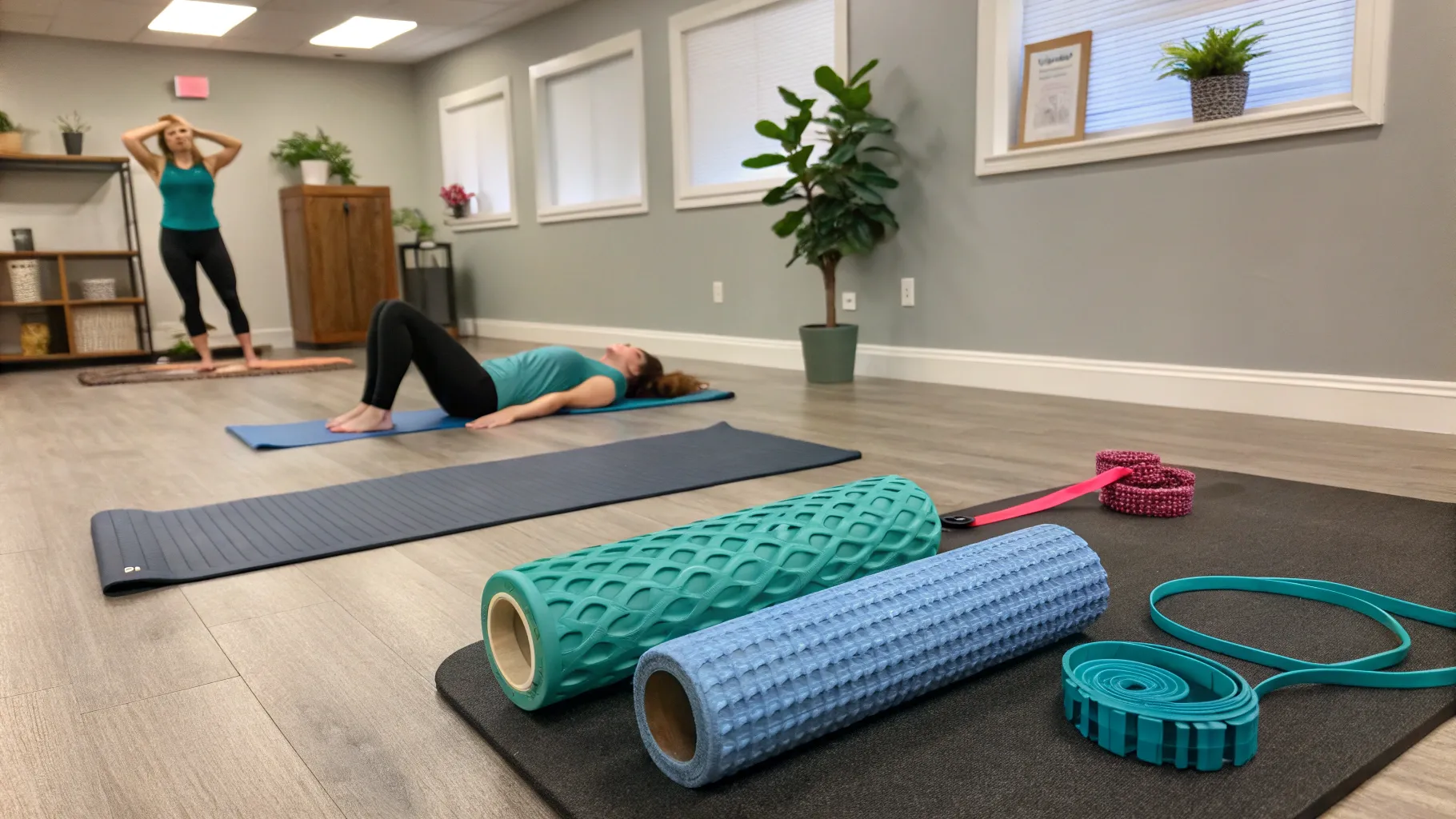
Top Sciatica Stretches for Nerve Pain Relief
Incorporating sciatica stretches into your daily routine can significantly alleviate nerve pain. These stretches are designed to relieve muscle tension around the sciatic nerve, resulting in improved flexibility and reduced discomfort.
- Piriformis Stretch
The piriformis muscle, located deep within the buttocks, is a common source of sciatic pain. To perform this stretch, sit on the floor with your legs extended. Bend your right knee, and cross your right foot over your left thigh. Gently draw your right knee towards your left shoulder until you feel a stretch in your buttock. Hold this position for 20-30 seconds before switching sides. This stretch is vital for reducing tension in the piriformis muscle. - Seated Forward Bend
This yoga-influenced stretch is excellent for enhancing flexibility and is often included in sciatica yoga routines. Start by sitting on the floor with your legs extended ahead of you. Inhale deeply, then exhale as you reach forward with your arms, bending at the waist and attempting to touch your toes. Keep your back straight as you stretch, focusing on the sensation in your hamstrings and lower back. Maintain this position for 15-30 seconds. - Child's Pose
Known for its calming effects, Child's Pose can provide significant relief for the back. Begin on all fours, then sit back on your heels and extend your arms forward, allowing your forehead to rest on the ground. Breathe deeply, and hold this pose for a minute or more, focusing on letting go of tension in your back and shoulders.
Strengthening Moves for Long-Term Relief
Alongside stretching, incorporating strengthening exercises is essential for preventing future episodes of sciatica pain. Strong core and lower back muscles support your spine and help mitigate discomfort. Here are some effective strengthening exercises to integrate into your sciatica home routine:
- Bridge Exercise
To perform a bridge, lie flat on your back with your knees bent and feet positioned hip-width apart. Press your feet into the floor and lift your hips toward the ceiling, creating a straight line from your shoulders to your knees. Hold this position for a few seconds before lowering back down. This exercise strengthens your glutes and lower back, providing support to the sciatic nerve and helping to alleviate pain over time. - Pelvic Tilts
Pelvic tilts are a great way to strengthen the lower back. Lie on your back with your knees bent and feet flat on the floor. Press your lower back into the ground by tightening your abdominal muscles. Hold for a few seconds, then release. Repeat this process for about ten repetitions. This exercise can help improve stability and reduce sciatica symptoms. - Cat-Cow Stretch
Start this dynamic movement on all fours. Alternate between arching your back upwards like a cat and lowering your spine while lifting your head and tailbone, mimicking a cow. This gentle exercise enhances spinal mobility while engaging the core, making it beneficial for addressing sciatica discomfort. Aim for 10 to 15 cycles.
The Importance of Consistency in Your Exercise Routine
Consistency is key when it comes to managing sciatica. Aim to perform these exercises regularly, dedicating 15-20 minutes each day to stretches and strengthening moves. Recent studies have indicated a trend towards young adults utilizing mobile apps and online resources to track and maintain their exercise routines effectively. This can greatly enhance outcomes by making it easier to stick to a regimen.
Additionally, combining flexibility and strength-building exercises is one of the most effective approaches. Regularly stretching your hip flexors, for example, can greatly benefit those who spend extended periods sitting. These muscles can become tight, contributing to sciatica symptoms, so stretching them can help reduce discomfort and improve overall mobility.
Always listen to your body as you exercise; if a particular stretch or movement exacerbates your pain, it’s crucial to stop and seek guidance from a healthcare professional. Ignoring signs from your body can lead to increased discomfort and setbacks in your healing journey.
Incorporating a Holistic Approach to Managing Sciatica
Alongside stretching and strengthening, consider integrating heat therapy or ice packs into your routine. Physical therapists have highlighted the effectiveness of temperature control in reducing inflammation and accelerating recovery. Gentle activities like walking or cycling offer a way to keep the muscles engaged without overexerting them, thus providing additional support for your spine.
As resources expand in our digital age, numerous options are available for young adults seeking sciatica relief. From virtual fitness classes that focus specifically on sciatica to community-based exercise groups, these supportive networks can significantly enhance your health journey. Don’t hesitate to explore these avenues and find a routine that resonates with you.
Ultimately, addressing sciatica is about finding the right balance between stretching, strengthening, and maintaining mobility. With commitment and the right practices, you can significantly reduce discomfort and reclaim your lifestyle.
Authored by FreshLifeWire team