5 Easy Ways To Remove Car Scratches At Home
5 Ways to Remove Scratches From Your Car At Home
The sight of scratches on your car can be quite disheartening. Whether it's a result of an unfortunate brush with the shopping cart or a careless drive through narrow streets, scratches can affect your vehicle's appearance and resale value. Fortunately, you don't have to rush to a professional repair shop or pay exorbitant fees for scratch removal. With some basic supplies and a little elbow grease, you can remove car scratches at home. In this article, we'll delve into five effective DIY car scratch repair methods that empower you to tackle car scratches yourself.
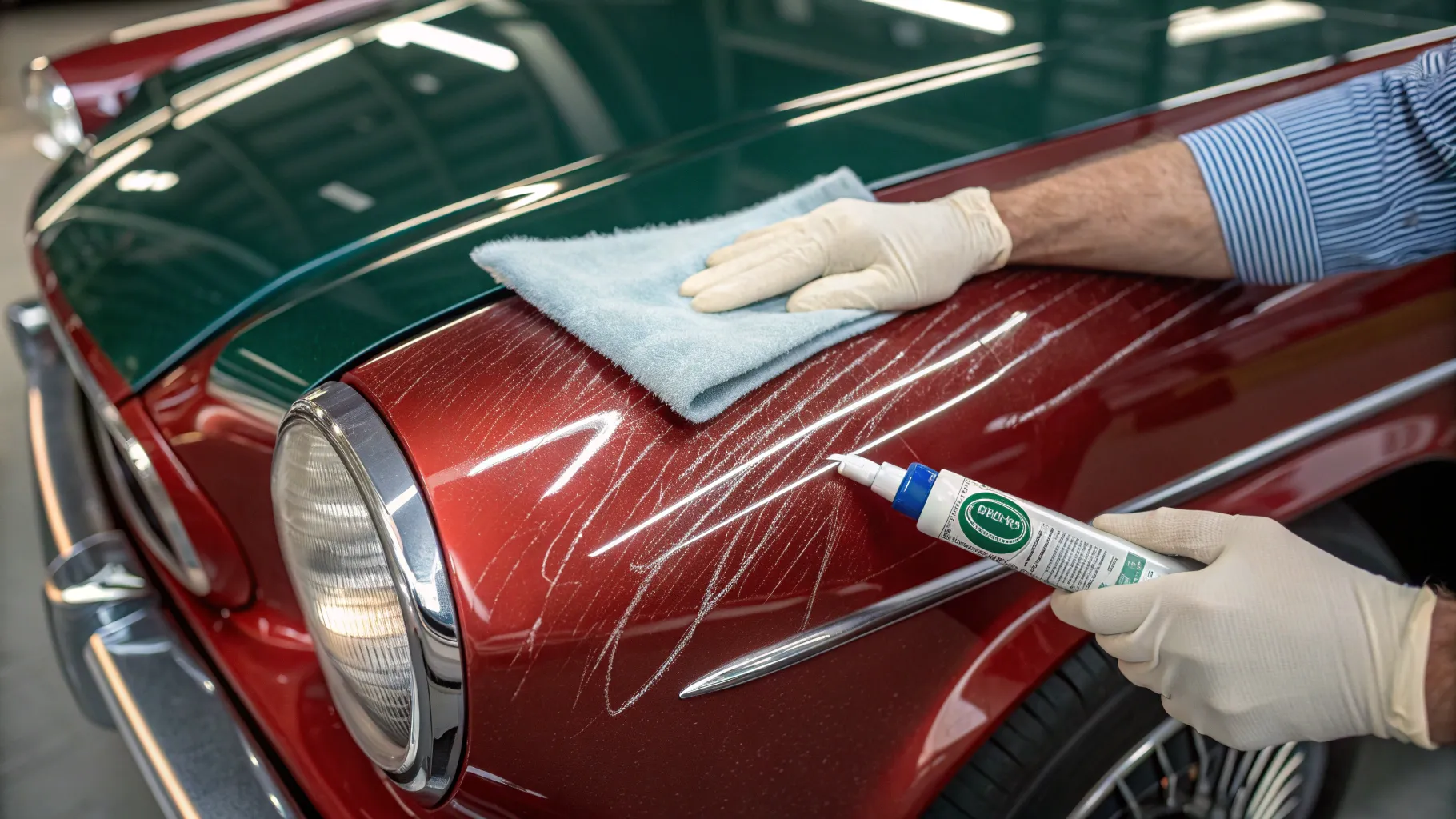
1. Use Toothpaste for Light Scratches
Toothpaste might seem like an odd choice for a car scratch repair tool, but it can work wonders for minor surface scratches. The mild abrasives in non-gel toothpaste can polish the scratched area, making it less visible. Simply follow these steps:
- Clean the scratched area with soap and water. Make sure it is dry before proceeding.
- Apply a small amount of non-gel toothpaste onto a microfiber cloth.
- Gently rub the toothpaste onto the scratch in a circular motion for 30 seconds.
- Wipe off the excess toothpaste with a damp cloth and inspect the scratch.
Many car owners report success with this method, particularly for scratches that haven’t penetrated deeply into the paint. Additionally, it’s an incredibly affordable way to perform home car scratch removal.
2. Try a Scratch Removal Product
For deeper scratches that toothpaste can't fix, specialty scratch removal methods are available at most auto supply stores. These products are specifically designed to treat and restore the appearance of scratched surfaces. Popular brands include Meguiar's and Turtle Wax, which have received positive reviews from car enthusiasts.
- Start by washing and drying the area around the scratch.
- Apply the scratch removal product according to the manufacturer’s instructions, usually requiring you to use a microfiber cloth or applicator pad.
- Buff the area gently until the scratch disappears or becomes less visible.
Experts recommend testing the product on an inconspicuous area first to ensure it does not damage the paint further. Some of these products also contain a wax component, adding a protective layer after scratch repair.
3. Revitalize with Rubbing Compound
If the scratch is particularly stubborn, a rubbing compound can offer a more aggressive approach to restoration. Rubbing compounds contain more abrasive particles than normal polishes. They help to remove a thin layer of clear coat or paint to blend the scratched area with the surrounding surface. Here’s how to use it:
- Clean the scratched area thoroughly.
- Apply a small amount of the rubbing compound onto a microfiber cloth.
- Rub the compound into the scratch in a circular motion. Be sure to apply moderate pressure.
- After about a minute, wipe the area with an alcohol-dampened cloth to remove any residue.
Using a rubbing compound requires caution, particularly on dark-colored vehicles, as it can leave the paint looking scuffed if not done properly. It’s also worthwhile to follow up with a good quality wax to protect the area after treatment.
4. Utilize the Paint Pen Method
If the scratch has penetrated down to the primer or metal, a paint pen might be the best option. Paint pens can be found at auto parts stores and come in various colors to match your vehicle’s paint. This is an excellent way to fix car scratches yourself without the need for professional fab work. Here’s how to effectively use a paint pen:
- Begin by cleaning the scratched area of any debris or grease.
- Shake the paint pen and apply a thin layer of paint directly onto the scratch.
- Use the applicator tip to spread the paint evenly to blend with the surrounding area.
- Allow the paint to dry thoroughly. You may need to apply additional layers depending on the severity of the scratch.
Once dry, a polished finish will help blend the area even more, and the results can be truly remarkable for an at-home fix!
5. Final Touch with Waxing
Whatever method you choose to remove car scratches at home, finishing off with a coat of wax can provide a protective layer and enhance the car’s shine. Waxing helps to seal the paint and guard against future scratches or environmental damage. For best results, wash your car, dry it completely, and:
- Apply the wax using a clean applicator.
- Buff it out with a soft towel until you achieve a nice shine.
- Ensure you revisit this step every few months to maintain your car's look and protection.
In recent surveys, car owners have found that regular maintenance, including waxing, not only improves aesthetics but also boosts resale value, making it a worthwhile investment.
Overall, with these car scratch repair tips, you can now approach scratches on your vehicle with confidence. Each method provides a practical solution that can save you time and money. Taking the time to properly maintain your car and addressing scratches promptly will keep it looking great for years to come!
Authored by FreshLifeWire team