Recognizing High Cholesterol Signs
Understanding High Cholesterol in 2025
In 2025, awareness of health conditions is paramount as people prioritize proactive health management. High cholesterol remains a significant concern globally, and identifying it early can prevent various health complications. According to the latest statistics from the World Health Organization, over 39% of adults worldwide have high cholesterol, a precursor for heart disease and stroke.
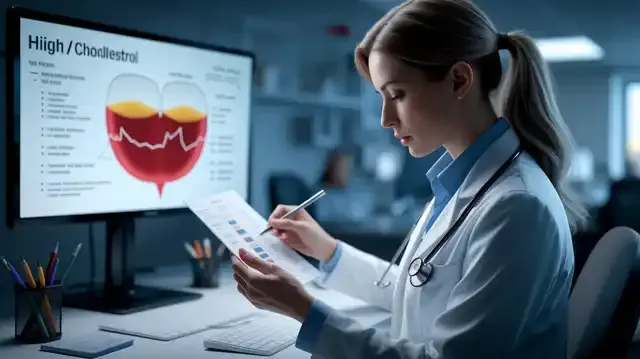
Most individuals with high cholesterol exhibit no obvious symptoms until serious problems like heart attacks occur. Therefore, understanding the subtle signs can be lifesaving.
Primary Signs of High Cholesterol
Chest Pain and Discomfort: Often, chest pain is one of the earliest signs that something is wrong with your heart. This pain, or angina, is caused by arteries being clogged with plaque. If you experience unexplained chest pain or discomfort, it is crucial to seek medical attention immediately.
Fatty Deposits: One noticeable but often overlooked sign of high cholesterol is the presence of fatty deposits under the skin, especially around the eyes. Known as xanthelasma, these yellowish deposits can be an indicator of underlying lipid disorders. Their presence should prompt a cholesterol check with your healthcare provider.
Shortness of Breath: When your heart struggles to pump through blocked arteries, it can result in shortness of breath. This may occur even with minimal exertion. People may often dismiss this symptom as aging; however, it is a red flag that warrants immediate evaluation.
Numbness and Coldness in Extremities: Poor circulation caused by blocked arteries can result in numbness, coldness, or a 'tingling' sensation in the extremities, particularly in your hands and feet. The restricted blood flow can cause discomfort, which should not be ignored.
Hidden Concerns & Risks
High cholesterol can lead to serious health challenges if left unchecked, including heart disease and even stroke. In recent reviews of clinical data, researchers emphasize that even minor lifestyle changes can significantly impact cholesterol levels. For instance, the American Heart Association points to studies highlighting how a diet rich in fruits and vegetables, coupled with regular physical activity, has lowered cholesterol levels in numerous cases across various demographics.
Interestingly, technology plays a pivotal role in how we manage health today. In 2025, advanced home monitoring devices have become more commonplace and accurate, allowing individuals to keep tabs on their cholesterol levels. This tech revolution not only aids in early detection but also offers a pathway for more personalized health management plans.
Lifestyle Changes to Monitor Cholesterol
- Dietary Adjustments: A focus on reducing saturated fats found in meats and full-fat dairy products while increasing the intake of omega-3 fatty acids can help lower cholesterol.
- Regular Exercise: Engaging in moderate physical activity, such as brisk walking for at least 150 minutes per week, is recommended to help maintain a healthy heart.
- Avoiding Tobacco: Quitting smoking improves HDL cholesterol levels and is critical for overall heart health.
- Moderating Alcohol Intake: Excessive alcohol can lead to undesirable cholesterol levels, hence moderation is recommended.
With these adjustments, along with routine medical check-ups, individuals can significantly reduce their cholesterol levels and minimize associated health risks.
Personal Stories: Real-Life Impact
A story from late 2024 illustrates the impact of managing cholesterol. Jane, a 52-year-old teacher, discovered through routine screening that her cholesterol levels were dangerously high. Motivated by this finding, she altered her lifestyle drastically, focusing on diet and exercise. Within six months, her cholesterol levels dropped significantly, and her overall wellbeing notably improved. Jane's journey has inspired many in her community to take health screenings seriously.
Addressing high cholesterol doesn't have to be daunting. With the right information, guidance, and commitment to lifestyle modifications, anyone can take charge of their health. And as 2025 unfolds, staying informed and proactive is more accessible than ever, thanks to technology and growing health literacy worldwide.
Authored by Neda