4 Main Types of Dementia Explained
Understanding the 4 Main Types of Dementia
In 2025, dementia remains a critical health issue affecting millions worldwide. With a myriad of forms, it can sometimes be challenging to grasp which type has what kind of impact. Let’s delve into the four main types of dementia and uncover their distinct characteristics and effects on those who live with them.
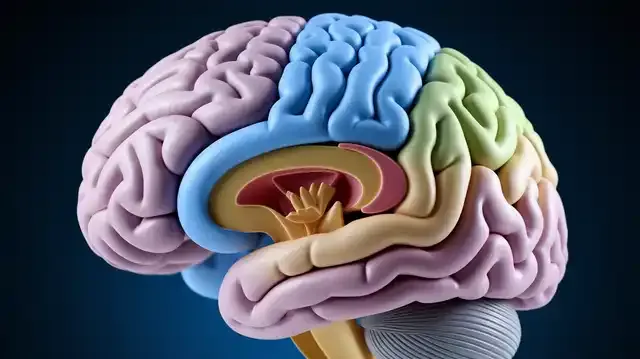
Alzheimer's Disease: The Most Common Form
Alzheimer's disease is the most prevalent form of dementia, representing about 60-70% of cases globally. It is marked by a gradual decline in memory and cognitive skills. Symptoms typically start with mild memory lapses but can progress to significant memory loss, disorientation, and communication struggles.
Recent findings in 2025 highlight the potential of new treatment avenues focusing on reducing amyloid plaques that accumulate in the brain. These plaques are pathognomonic of Alzheimer’s and researchers are tirelessly working to revolutionize treatment strategies.
Vascular Dementia: Impact of Blood Flow
Vascular dementia is the second most common type, often resulting from reduced blood flow to the brain due to stroke or other vascular issues. In 2025, an estimated 15-20% of dementia cases are vascular, and there's growing focus on prevention. This includes managing cardiovascular risks such as hypertension and diabetes.
What sets vascular dementia apart is its sudden onset and the stepwise progression of symptoms. Patients might experience sudden cognitive changes following a stroke, and further deterioration occurs with each subsequent cerebrovascular event. Notably, the predictability of symptom progression helps caregivers plan effectively for future care strategies.
Different Forms, Different Features
Lewy Body Dementia: Uncommon yet Troublesome
Though less common, Lewy body dementia, characterized by the presence of abnormal protein deposits called Lewy bodies, closely intertwines with symptoms seen in Parkinson’s disease. These patients may experience hallucinations, variations in attention, and motor symptoms similar to those seen in Parkinson’s. Interestingly, fluctuations in cognitive status can occur, making it somewhat unpredictable.
Today, in 2025, researchers are utilizing cutting-edge imaging techniques to better detect the presence of Lewy bodies and intervene earlier in the disease process, providing some hope for those affected and their families.
Frontotemporal Dementia: Younger Age Onset
Frontotemporal dementia (FTD) usually affects people under 65 and is caused by progressive nerve cell loss in the brain's frontal and temporal lobes. With estimates showing it accounts for about 10% of dementia cases, FTD is particularly challenging due to its impact on personality and behavior rather than memory loss.
Patients often display changes in social conduct and emotional responses, complicating both diagnosis and caregiving. However, by 2025, genetic research and brain mapping advancements have provided critical insights, paving the way for more targeted therapies and interventions.
Knowing these differences is essential in providing appropriate support and care for those dealing with dementia. The progress in understanding these diseases reflects our advancing knowledge and commitment to bettering lives despite the challenges posed by dementia.
- Alzheimer's accounts for 60-70% of cases.
- Vascular dementia is linked to blood flow issues.
- Lewy body dementia shares symptoms with Parkinson’s.
- Frontotemporal dementia affects younger adults more frequently.
The research landscape in 2025 offers new avenues for treatment and understanding, increasing the hope for patients and families affected by these challenging conditions.
Authored by FreshLifeWire team