2026 Bathroom Renovation Cost Guide and Budgeting Tips
Bathroom Renovation Cost Guide 2026
Embarking on a bathroom renovation can be an exciting yet daunting endeavor. As homeowners in 2026 are increasingly looking to refresh their spaces, understanding the Bathroom Renovation Cost is vital. In this guide, we will break down the costs associated with materials, fixtures, labor, and more, providing you with essential budgeting tips for your upcoming project.
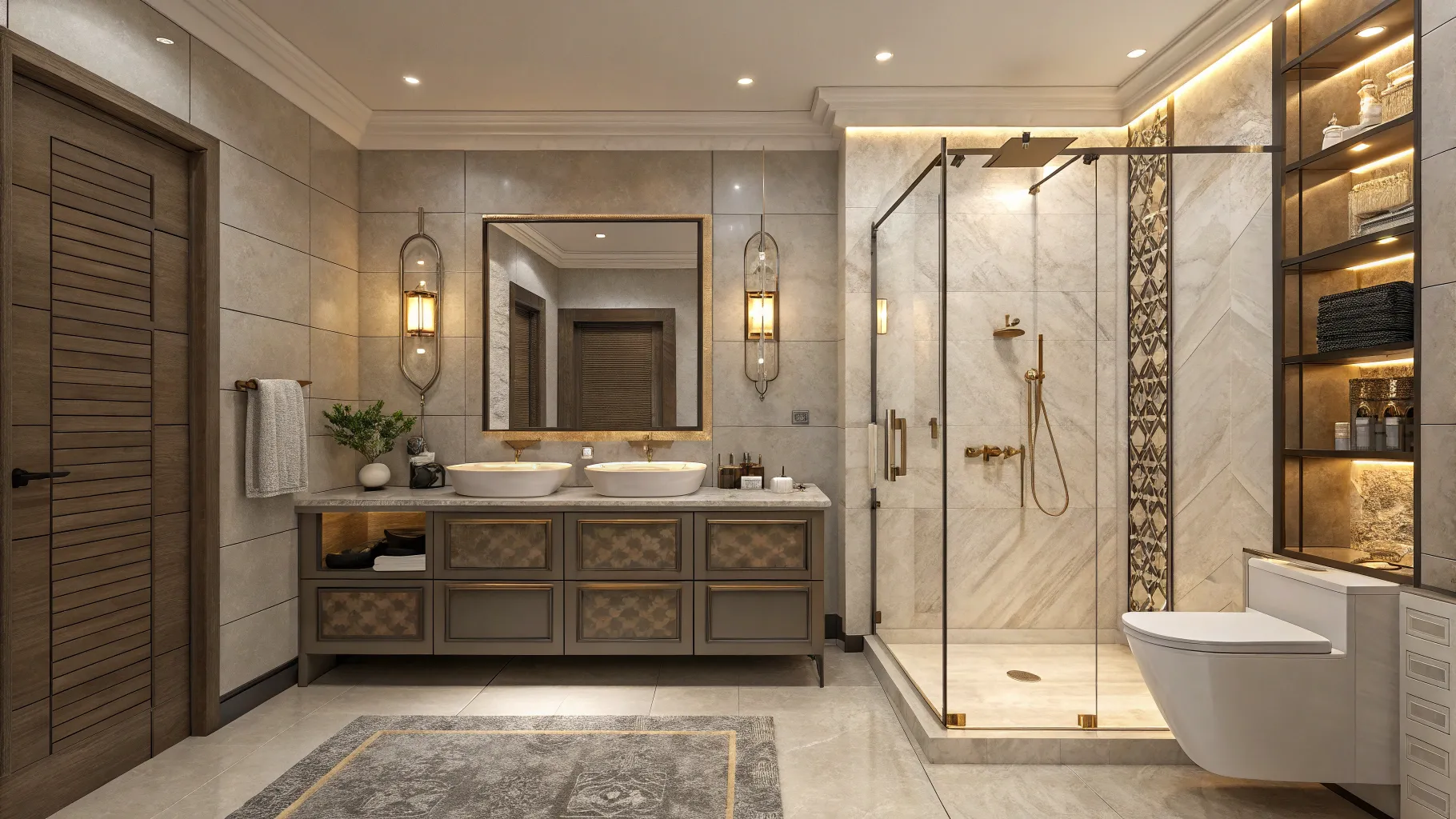
Understanding Bathroom Renovation Costs in 2026
When planning a bathroom renovation, the first step is to delineate the expected costs. The average range for a bathroom renovation in 2026 can vary significantly, but generally falls between $10,000 and $30,000, depending largely on the size and complexity of the project. Here’s a closer look at the key components:
Materials & Fixtures Prices
Choosing the right materials and fixtures is crucial, as they generally comprise a significant portion of your renovation budget. On average, in 2026, homeowners can expect to spend:
- Flooring: $2 to $5 per square foot for vinyl, $5 to $15 for tile, and $15+ for high-end options.
- Vanities: Basic models start around $300, while custom cabinetry can go over $2,000.
- Shower and Bath Tubs: A standard bathtub can cost between $400 and $1,500, while upscale shower systems range from $1,000 to $6,000.
- Fixtures: Expect plumbing fixtures to cost between $150 and $1,200, depending on the brand and style.
During the last six months, the price of materials has seen fluctuations due to supply chain issues and rising manufacturing costs. As such, it is essential to stay updated on local market trends.
Labor & Installation Costs
Labor costs play a vital role in your overall bathroom renovation expenses. As of 2026, professional installers typically charge between $50 and $150 per hour. Depending on the complexity of the work, total labor costs can range from $2,000 to $10,000.
For instance, a straightforward remodel of a small bathroom may only require 20 hours of work, while a full-scale renovation involving custom features and plumbing changes may take 40 hours or more. Be sure to consider:
- General Contractors: They can charge around 10-20% of the total project cost.
- Plumbers and Electricians: Special tradespeople may charge a premium, depending on their expertise.
- Permits: Remember any local regulations requiring permits can add extra costs, usually ranging from $200 to $1,000.
Small vs. Large Bathroom Renovation
Understanding the differences in costs between small and large bathroom renovations is crucial. A small bathroom makeover can often be completed for about $10,000 to $15,000, especially if you are not altering the existing layout. Popular small-scale upgrades often include new paint, fixtures, and flooring.
On the other hand, larger bathrooms—especially those undergoing significant changes such as new layouts or luxury upgrades—can easily exceed $20,000. For example, a full renovation including reconfigured plumbing, high-end materials, and improvements such as heated floors can push costs to $30,000 and beyond. The choice between a small versus large renovation will significantly impact your budget and should align with your long-term home goals.
Budgeting Tips & Cost-Saving Strategies
Staying on budget is often the biggest challenge when renovating a bathroom. To help manage your finances effectively, consider the following tips:
- Set a Budget: Outline how much you are willing to spend and stick to it. Include a contingency fund of about 10-15% for unexpected expenses.
- Do Your Research: Price out materials and fixtures from various suppliers to find the best deals.
- Prioritize Changes: Determine what is essential versus what would be nice to have and plan your renovation accordingly.
- Consider DIY: For minor updates like painting or installing new fixtures, doing it yourself can save substantial costs.
DIY vs. Professional Renovation
The decision to hire professionals or tackle a renovation yourself profoundly impacts the budget and overall outcome. Basic tasks, such as painting or replacing faucets, can be easily handled by homeowners, saving on labor costs. However, complex jobs such as plumbing, electrical work, or structural changes should always be left to licensed professionals.
For example, during a recent bathroom renovation, a homeowner saved approximately $3,000 by installing their vanity and lighting fixtures but relied on a plumber for the new shower fixture. This balanced approach allowed them to achieve a beautiful result while maintaining cost-effectiveness.
Warranty & Maintenance Considerations
When investing in renovations, don’t overlook warranty and maintenance factors. Many fixtures and materials come with warranties lasting from 1 year to a lifetime, protecting you from potential defects. It’s essential to keep records and understand the terms to ensure you are covered.
Additionally, maintaining your newly renovated bathroom will prolong its life. Regular cleaning, avoiding harsh chemicals, and checking for leaks can help keep future costs down.
In summary, understanding the intricacies of Bathroom Renovation Costs in 2026 can significantly streamline your planning process. Whether updating your small powder room or overhauling a large bathroom suite, being informed and budget-conscious will yield the best results. Happy renovating!
Authored by FreshLifeWire team