2025 Fashion Trends for Seniors: Comfort Meets Contemporary Style
Defining Senior Style in 2025: Functional Elegance
The 2025 fashion landscape for seniors moves beyond purely practical attire, embracing clothing that is both luxurious in feel and highly functional. The focus is on quality construction, smart fabrics, and thoughtful design that supports an active lifestyle without compromising on sophisticated aesthetics.
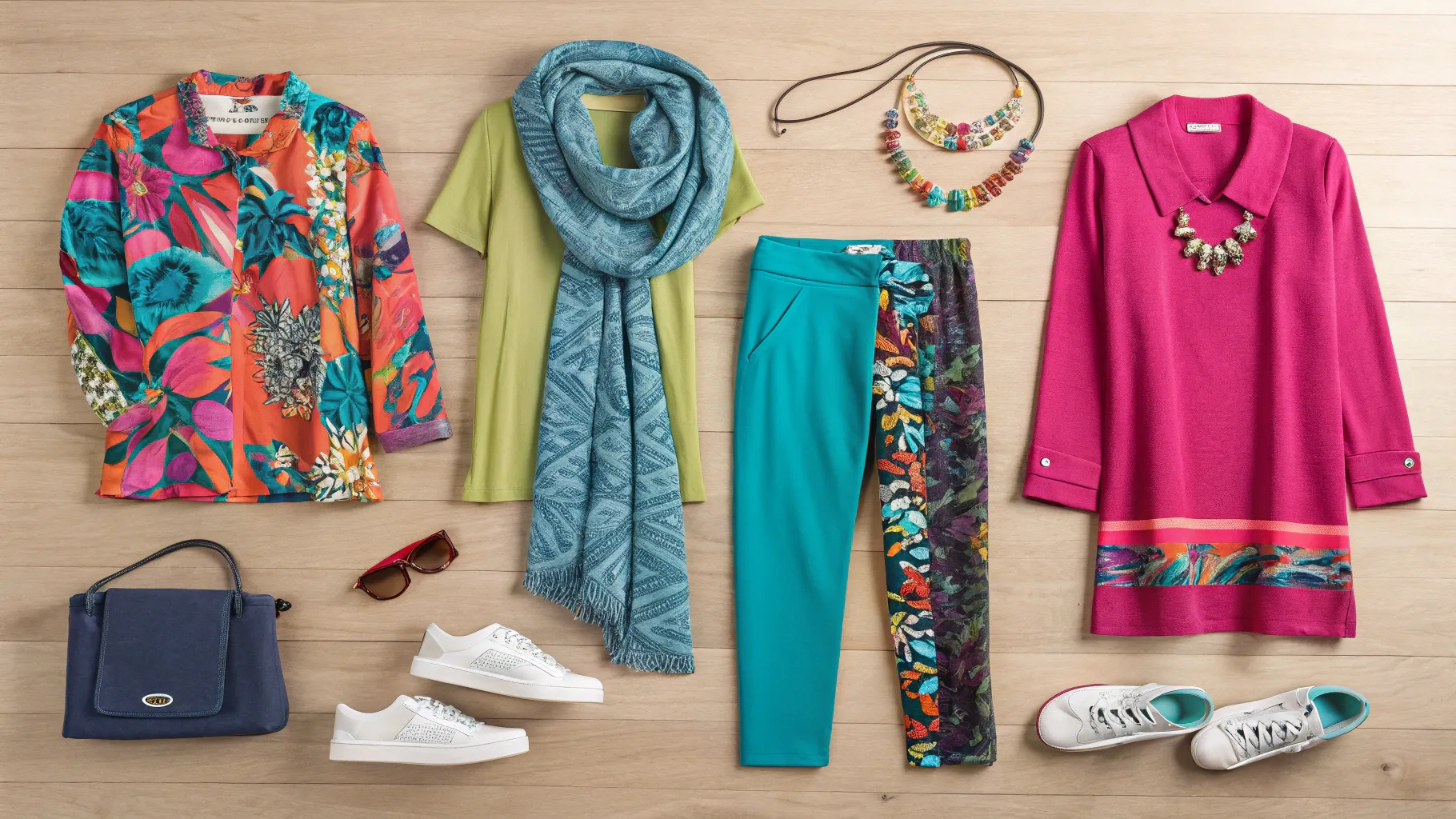
Key Trend 1: Comfortable Luxury Fabrics
There is a strong movement towards natural, breathable fabrics that feel good against the skin, offering both comfort and a high end appearance.
- Cashmere and Merino Blends: Lightweight knits that provide warmth without bulk. These are favored for cardigans, wraps, and tunics for easy layering.
- Linen and High Quality Cotton: Used in relaxed tailoring (wide leg trousers and unstructured blazers) to offer breathability and a chic, effortless look, particularly in warmer months.
Key Trend 2: Strategic Color and Pattern Use
Color is used confidently to project personality and vibrancy, moving beyond standard neutrals without being overwhelming.
- Monochromatic Dressing: Wearing a single color (or varying shades of one color, like navy or taupe) from head to toe. This is visually elongating, elegant, and simplifies outfit coordination.
- Jewel Tones: Deep emerald, sapphire blue, and rich burgundy are popular choices, as they complement most skin tones and add a sophisticated pop of color, especially in accessories.
Modern Silhouettes and Functional Design
The current aesthetic favors pieces that offer freedom of movement while remaining tailored and polished.
Outerwear and Layering
Outerwear is designed to be easily managed and lightweight, yet highly protective.
- Quilted Jackets and Vests: Provide essential core warmth and are extremely lightweight, making them easy to put on and take off. They often feature large, accessible pockets.
- Unstructured Blazers: Replacing rigid jackets with soft, unlined blazers made from knit or stretch fabrics. These pieces offer a sharp, tailored look but feel as comfortable as a cardigan.
Trousers and Bottoms
- Wide Leg and Straight Cut Trousers: These silhouettes are on trend and offer superior comfort and ease of movement compared to restrictive skinny cuts. Look for stretch waistbands for added comfort.
- Midi Skirts and Dresses: The midi length (falling mid calf) is popular because it offers the elegance of a dress while being practical for mobility and requiring less concern over hems.
The Rise of Adaptive and Smart Fashion
Technology and design innovation are meeting the specific needs of the senior community, enhancing independence.
- Magnetic Closures: Zippers and small buttons are being replaced by easy to use magnetic fastenings on jackets, shirts, and trousers, ideal for individuals with limited dexterity.
- Smart Fabrics: Clothing featuring temperature regulating technology, wrinkle resistance, and moisture wicking properties is becoming standard in everyday wear, ensuring comfort regardless of activity level.
- Non Slip Footwear: The emphasis remains on stylish shoes that feature functional non slip soles and wide fit options, combining safety with modern design (e.g., sleek, supportive trainers and comfortable loafers).
Authored by FreshLifeWire team