The Ultimate 14-Day Trips to Japan for Seniors: A Complete Guide
Facts:
- Japan's public transport is remarkably accessible and punctual.
- Slow travel is a growing trend for the retiree japan travel guide.
Crafting the Perfect Senior-Friendly Japan Adventure
Embarking on a journey to Japan is a dream for many, and for retirees, it offers a unique blend of serene beauty, rich culture, and modern convenience. This guide is specifically designed to help with your japan trip planning, providing a comprehensive senior japan itinerary that balances iconic sights with comfort and accessibility. We understand that japan travel for seniors requires a different pace, focusing on immersive experiences without the rush. Over the next two weeks, this itinerary will guide you through ancient temples, bustling cities, and tranquil landscapes, ensuring your adventure is both breathtaking and relaxing. We've considered everything to make these 14 day trips to japan for seniors a seamless and memorable experience.
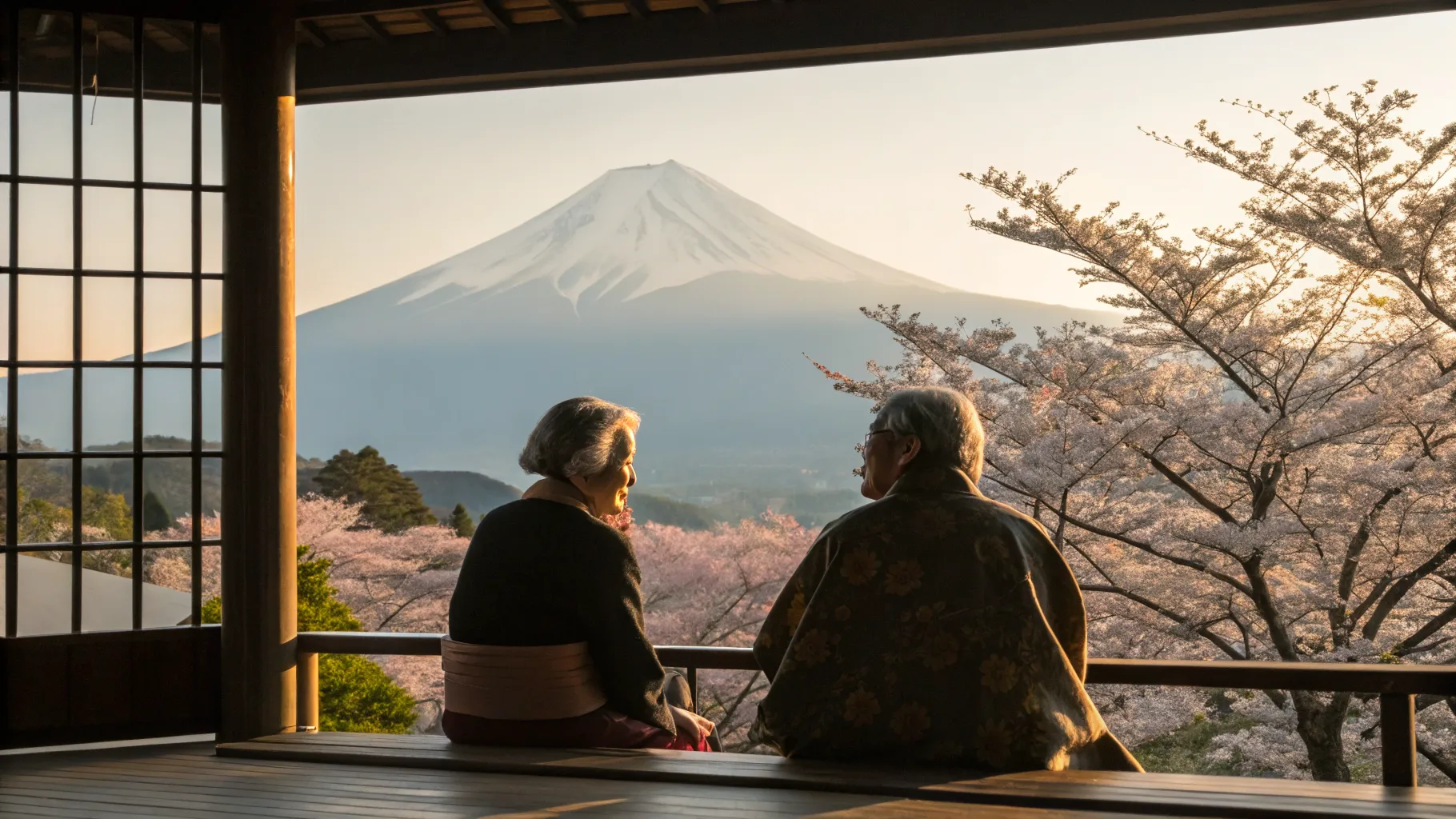
A Detailed 14-Day Senior Japan Itinerary
This itinerary is a carefully curated template that you can adapt to your interests and pace. The core principle of this retiree japan travel guide is to minimize frequent hotel changes and allow for ample rest and spontaneous exploration. Each step is designed to enhance your japan travel for seniors experience, making it comfortable and enriching.
Days 1-3: Gentle Arrival and Tokyo's Treasures
Upon arriving at Narita (NRT) or Haneda (HND) airport, take a pre-booked accessible taxi or the comfortable Limousine Bus directly to your hotel. Settle in and acclimatize. Your first full day should be relaxed. We recommend a visit to the tranquil Meiji Jingu Shrine, followed by a stroll through the nearby Yoyogi Park. On Day 3, explore the historic Asakusa district. Visit the famous Senso-ji Temple and browse the traditional Nakamise-dori street. This area is relatively flat and easy to navigate. A gentle cruise on the Sumida River offers fantastic city views without extensive walking, a key component of successful 14 day trips to japan for seniors.
Days 4-5: Hakone's Serenity and Mt. Fuji Views
Travel from Tokyo to Hakone via the Shinkansen (bullet train) to Odawara, followed by a local train or taxi. Hakone is a beautiful mountain resort town known for its hot springs (onsen) and stunning views of Mount Fuji. Stay in a ryokan (traditional inn) with a private onsen for a truly relaxing experience. On Day 5, enjoy the Hakone Ropeway for panoramic views and take a peaceful cruise on Lake Ashi. The Hakone Open-Air Museum is another excellent, mostly flat, and accessible attraction with impressive sculptures. This part of the senior japan itinerary focuses on relaxation and natural beauty.
Days 6-9: Cultural Immersion in Kyoto
Kyoto, the former imperial capital, is the cultural heart of Japan. Travel from Hakone to Kyoto via Shinkansen. Base yourself here for four nights to avoid packing and unpacking. On your first day, visit the iconic Kinkaku-ji (Golden Pavilion) and the serene Ryoan-ji Temple with its famous rock garden. Day 7 is for exploring the Gion district, Japan's most famous geisha district. Consider a gentle walking tour or even a rickshaw ride. On Day 8, visit the Fushimi Inari Shrine with its thousands of red torii gates; you don't need to walk the entire path, the lower sections are just as impressive. On Day 9, explore Arashiyama Bamboo Grove in the early morning to avoid crowds and visit the nearby Tenryu-ji Temple. This longer stay is a cornerstone of good japan trip planning for seniors.
Days 10-11: Nara's History and Friendly Deer
Take an easy day trip from Kyoto to Nara, Japan's first permanent capital. The main attractions are conveniently located in Nara Park. You can visit Todai-ji Temple, home to a giant bronze Buddha statue, and meet the famous, free-roaming deer. The park is large but walkable at a slow pace. Return to your Kyoto hotel in the evening. This day adds historical depth to your japan travel for seniors without requiring a hotel change.
Days 12-14: Osaka's Delights and Departure
Travel from Kyoto to Osaka, a short and easy train ride. Osaka is famous for its vibrant food scene and modern architecture. Spend Day 12 exploring the lively Dotonbori district by night, famous for its neon lights and street food. On Day 13, visit the impressive Osaka Castle and its surrounding park. For your final day, enjoy some last-minute souvenir shopping in the Shinsaibashi-suji shopping arcade before heading to Kansai International Airport (KIX) for your departure. This concludes your amazing 14 day trips to japan for seniors.
Pacing and Accessibility: Keys to Senior Travel in Japan
The success of any retiree japan travel guide hinges on proper pacing. Our itinerary is designed with this in mind, suggesting multi-night stays in key cities like Tokyo and Kyoto to reduce travel fatigue. Japan's public transportation is world-class, but stations can be vast. Always allow extra time, use elevators and escalators, and don't hesitate to use taxis for shorter distances, especially after a long day of sightseeing. Many major attractions offer senior discounts (proof of age may be required) and have accessible routes. Prioritizing comfort is the most important part of japan trip planning.
Actionable Advice for a Smooth Journey
A little preparation goes a long way. This list provides essential tips to ensure your japan travel for seniors is as smooth and enjoyable as possible.
- Pack Light and Smart: Use a luggage forwarding service (takkyubin) to send your large suitcases between hotels. It's affordable, reliable, and saves you from hauling bags through train stations. Pack comfortable, supportive walking shoes.
- Stay Connected: Rent a pocket Wi-Fi device or get a travel SIM card upon arrival. This allows you to use navigation apps like Google Maps, which has excellent public transport information, and translation apps.
- Manage Medications: Bring enough of your prescription medications for the entire trip, along with a doctor's note and the generic names of the drugs. Keep them in their original containers in your carry-on luggage.
- Purchase a Japan Rail Pass (if applicable): Analyze your itinerary. If you're making several long-distance trips (e.g., Tokyo to Kyoto), a JR Pass can be cost-effective. However, for a slower-paced trip, buying individual tickets might be cheaper.
- Learn Basic Phrases: While many Japanese in tourist areas speak some English, learning a few basic phrases like 'Arigato' (Thank you), 'Sumimasen' (Excuse me), and 'Konnichiwa' (Hello) will be greatly appreciated.
Frequently Asked Questions
Is Japan a good destination for elderly travelers?
Absolutely. Japan is one of the best destinations for senior travelers due to its exceptional safety, clean environment, and incredibly efficient and accessible public transport. Many attractions are senior-friendly, making japan travel for seniors a comfortable and rewarding experience.
What is the best time of year for seniors to visit Japan?
Spring (March-May) and Autumn (September-November) are ideal. The weather is mild, and you can experience the iconic cherry blossoms or vibrant autumn leaves. Summer can be hot and humid, while winter can be cold, which might be less comfortable for some travelers. This is a key part of your japan trip planning.
How much walking is involved in a typical Japan itinerary?
A typical trip can involve a lot of walking. However, this senior japan itinerary is designed to minimize strenuous activity. It suggests using taxis, river cruises, and rickshaws to reduce walking time, and it builds in plenty of rest days and opportunities to relax.
Do I need cash in Japan?
While Japan is becoming more credit card-friendly, it is still a cash-based society, especially in smaller towns, markets, and local restaurants. It's wise to always carry a reasonable amount of Japanese Yen with you for smaller purchases. This is a critical tip for any retiree japan travel guide.
References
- Japan National Tourism Organization (JNTO) - Senior Travel Section
- Accessible Japan Travel Forum
- Ministry of Health, Labour and Welfare Travel Guidelines
- Japan Rail Pass Official Guide
Authored by FreshLifeWire team