A Complete Guide to a 12-Night Panama Canal Transit Cruise
A cruise through the canal is a bucket list experience for many travelers. Spanning the narrowest point of the Americas, this engineering marvel connects the Atlantic and Pacific oceans. A 12-night itinerary provides an ideal balance of sea days and port exploration.
The Appeal of a 12-Night Voyage
A panama canal transit cruise guide often highlights the duration of the trip as a key factor. A 12-night journey is long enough to allow for a relaxed pace while navigating between two different oceans. Passengers have ample time to appreciate the onboard amenities before and after the main event.
Furthermore, this specific timeframe allows ships to include a diverse range of ports along the Central American coastline. Unlike shorter trips that may feel rushed, a 12-night itinerary ensures that the transit day remains the undisputed highlight without sacrificing cultural stops.
Understanding the Transit Experience
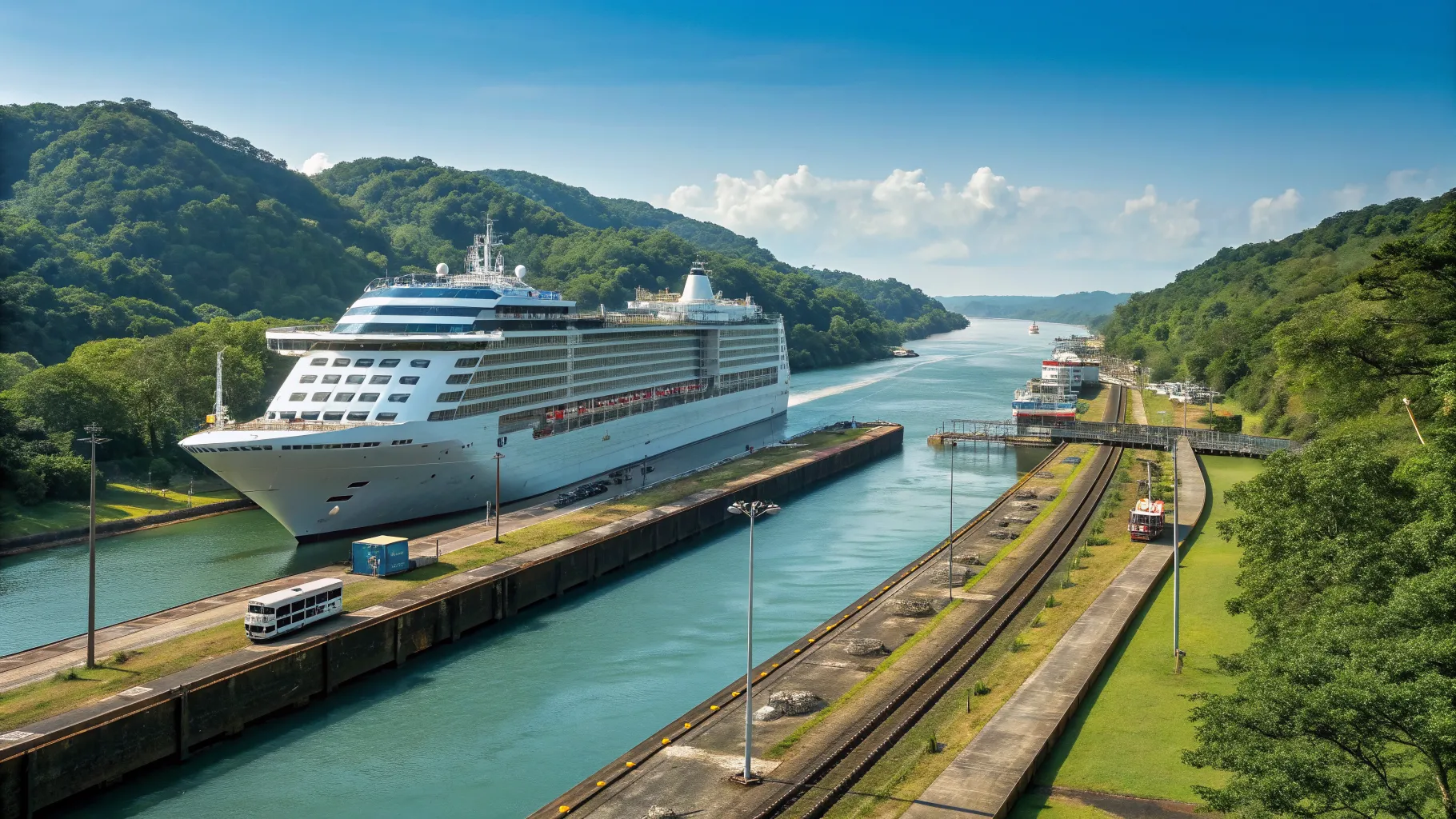
The day your ship navigates the locks is unlike any other day at sea. Passengers typically wake up before dawn to secure a prime viewing spot on the open decks. A local expert often boards the ship to provide ongoing commentary over the public address system, explaining the mechanics of the locks and the history of the construction.
During a full transit, the ship will pass through all three sets of locks and cross the artificial Gatun Lake. The sheer scale of the operation becomes apparent as electric locomotives, known as mules, guide the massive vessel through narrow chambers with mere inches to spare on either side.
Typical Central America Cruise Itinerary Highlights
Beyond the canal itself, these sailings offer rich cultural and natural experiences. Most routes operate between Florida and California, incorporating diverse stops along the way. Travelers can expect a mix of colonial history, vibrant wildlife, and beautiful beaches. Common ports of call on a 12-night journey include a variety of distinctive destinations.
- Cartagena, Colombia: Known for its walled Old Town and colorful colonial architecture.
- Puntarenas, Costa Rica: A gateway to lush rainforests, volcano tours, and abundant wildlife spotting.
- Cabo San Lucas, Mexico: Famous for dramatic rock formations and excellent opportunities for whale watching.
What to Know About Panama Canal Cruise Pricing
Budgeting for a transit cruise requires an understanding of what is included in the base fare. Panama canal cruise pricing fluctuates based on the time of year, the cruise line, and the type of cabin selected. Balcony staterooms command a premium due to the private viewing opportunities they provide during the transit day.
Finding an all inclusive panama canal cruise can simplify financial planning. While mainstream lines often charge extra for drinks, Wi-Fi, and excursions, luxury operators frequently bundle these costs into a single upfront fare. It is important to read the fine print to understand exactly what the ticket price covers.
Best Times of Year to Sail
Weather plays a significant role in planning a cruise through the canal. The region experiences a tropical climate with a distinct dry season and wet season. Most cruise lines schedule their Panama Canal itineraries between October and April to take advantage of the drier, slightly cooler weather.
Sailing during the peak months of December through February guarantees the lowest chance of rain. However, these months also draw the largest crowds and highest prices. Those willing to travel in the shoulder season months of October or April might experience occasional rain showers but will often find more favorable rates.
Preparing for Your Voyage Through the Canal
Packing correctly for a panama canal cruise 12 nights in duration ensures a comfortable journey. The climate near the equator is notoriously hot and humid. Breathable fabrics, wide-brimmed hats, and high-quality sunscreen are essential for days spent on deck or exploring ports.
Comfortable walking shoes are also a necessity for shore excursions involving cobblestone streets or uneven jungle trails. Finally, it is wise to bring a good pair of binoculars. Whether spotting monkeys in Costa Rica or examining the intricate workings of the lock gates, binoculars enhance the visual experience significantly.
Authored by FreshLifeWire team