Top 10 Shade Outdoor Plants for a Lush, Low-Light Garden
Facts:
- Many shade plants have larger leaves to maximize sunlight absorption.
- Container gardening is a growing trend for outdoor plants for shade.
Transforming Dark Corners: Your Guide to Thriving Shade Gardens
Creating a vibrant and lush garden in an area that receives little to no direct sunlight can seem like a daunting task. However, the secret lies in selecting the right species that are naturally adapted to these conditions. This guide is dedicated to helping you discover the perfect 10 shade outdoor plants to bring life, color, and texture to the darkest corners of your yard. These shade loving plants are not just surviving; they are designed to thrive, offering beautiful foliage and often surprising blooms without the need for intense sun. Whether you are dealing with the shadow cast by a large tree or a north-facing wall, there is a wide array of shade garden plants waiting to transform your space into a serene, green oasis.
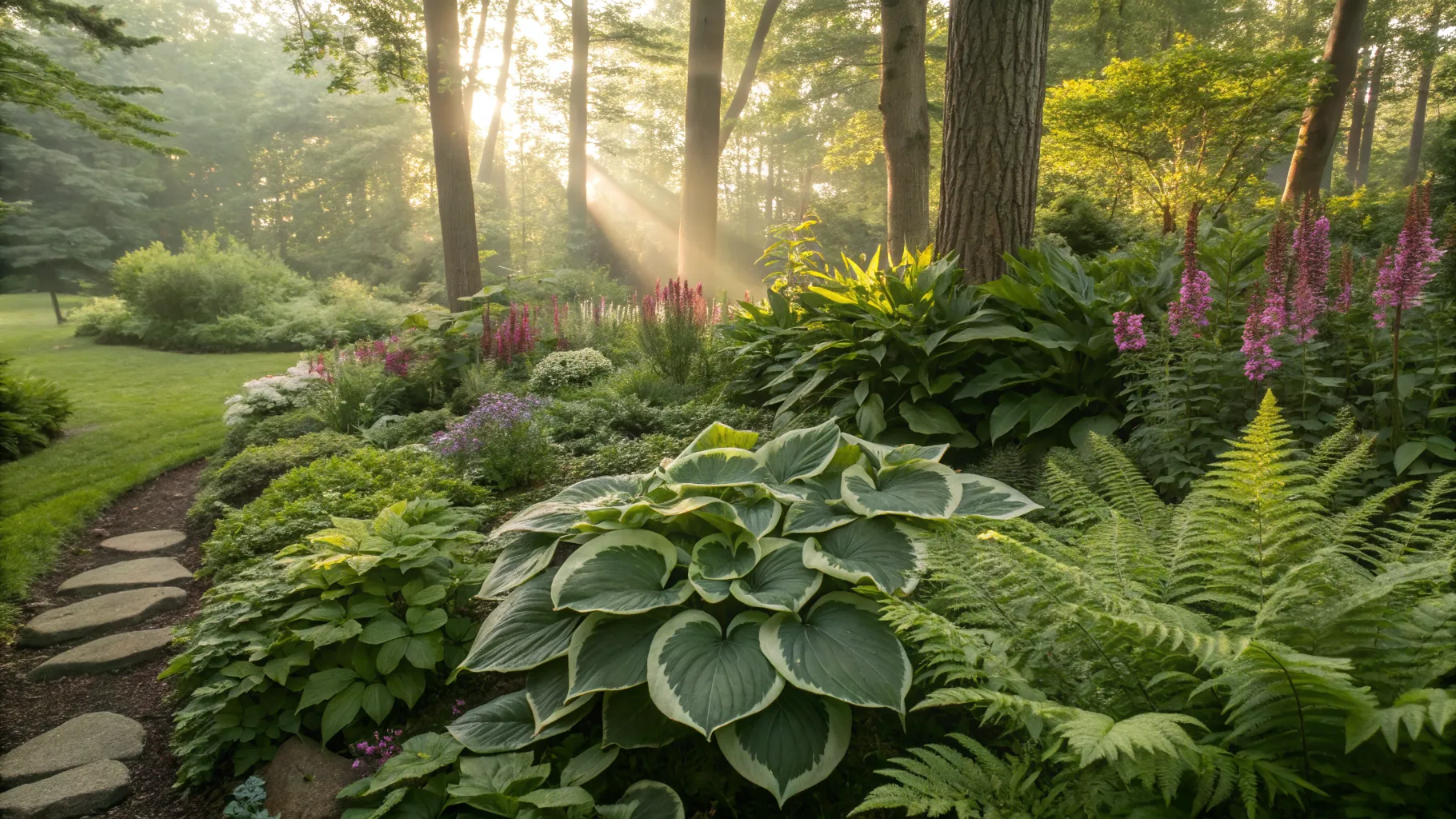
Our Top 10 Picks for Shade-Loving Plants
Here is our curated list of the top 10 shade outdoor plants that will flourish in your garden. Each of these has been chosen for its beauty, resilience, and ability to adapt to lower light levels, ensuring you can cultivate a stunning garden regardless of sun exposure. These selections are ideal for anyone looking to build a beautiful collection of plants for low light gardens.
1. Hosta
Hostas are arguably the kings of the shade garden. Revered for their magnificent foliage, they come in a vast range of sizes, colors, and textures, from deep blue-greens to vibrant chartreuses and variegated patterns. Hostas are incredibly low-maintenance and long-lived, making them perfect outdoor plants for shade. They thrive in partial to full shade and prefer rich, moist soil. While their primary appeal is their leaves, they also produce delicate spikes of lavender or white flowers in mid-summer.
2. Ferns
Ferns bring an element of timeless elegance and delicate texture to any shade garden. Varieties like the Japanese Painted Fern, Ostrich Fern, and Maidenhair Fern are excellent choices. They love the dappled light and moist conditions found under tree canopies. Ferns are fantastic shade garden plants for creating a woodland feel. Their feathery fronds provide a soft contrast to the bold leaves of plants like Hostas, creating a layered and dynamic landscape.
3. Astilbe
For those who crave color in their shady spots, Astilbe is a spectacular choice. These perennials produce feathery, plume-like flowers in vibrant shades of pink, red, purple, and white during the summer months. Astilbes are true shade loving plants that require consistently moist soil to perform their best. Their fern-like foliage remains attractive even after the blooms have faded, adding texture to the garden throughout the season.
4. Impatiens
Impatiens are a classic choice for adding continuous, brilliant color to shaded areas. These annuals are incredibly easy to grow and will bloom profusely from spring until the first frost. They are perfect for borders, containers, and mass plantings. As quintessential plants for low light gardens, they fill in quickly to create a carpet of color in hues ranging from white and pink to red and orange. They prefer moist, well-drained soil.
5. Begonia
Begonias offer both stunning foliage and beautiful flowers, making them a versatile addition to the list of 10 shade outdoor plants. Tuberous begonias produce large, rose-like flowers in a dazzling array of colors, while wax begonias are prized for their glossy leaves and nonstop blooms. They are excellent for hanging baskets and containers, thriving in partial shade with protection from the harsh afternoon sun.
6. Coral Bells (Heuchera)
Coral Bells are grown primarily for their incredible foliage, which comes in an astonishing spectrum of colors, including deep purple, bronze, chartreuse, and orange. These hardy perennials form neat mounds of ruffled leaves, making them excellent ground cover or edging plants. They are fantastic outdoor plants for shade that also produce delicate, airy flower spikes that attract hummingbirds. They are drought-tolerant once established but perform best in partial shade with regular watering.
7. Bleeding Heart (Dicentra spectabilis)
The Bleeding Heart is a romantic and whimsical addition to any shade garden. It is famous for its unique, heart-shaped flowers with a single dangling droplet, which appear on arching stems in late spring. These are classic shade garden plants that go dormant in the heat of summer, so it's wise to plant them alongside later-emerging plants like Hostas to fill the space. They prefer moist, rich soil in partial to full shade.
8. Lungwort (Pulmonaria)
Lungwort is an underutilized but incredibly valuable perennial for shady spots. It is one of the first plants to bloom in spring, producing clusters of flowers that often change color from pink to blue as they mature. Its most distinguishing feature is its foliage, which is typically green and speckled with silver spots. This makes it an attractive groundcover long after the flowers have faded. It's a tough and reliable choice among shade loving plants.
9. Hydrangea
While some hydrangeas love sun, many varieties, especially the Bigleaf (Hydrangea macrophylla) and Oakleaf (Hydrangea quercifolia) types, flourish in partial shade. They are beloved for their large, dramatic flower heads that provide stunning color throughout the summer and into the fall. These shrubs are statement pieces in plants for low light gardens, providing structure and magnificent blooms. They appreciate moist, well-drained soil and protection from hot afternoon sun.
10. Japanese Forest Grass (Hakonechloa)
For a touch of grace and movement, Japanese Forest Grass is unmatched. This ornamental grass has a beautiful cascading or weeping habit that softens hard edges and creates a sense of flow in the garden. The golden and variegated varieties are particularly effective at brightening up dark corners. It is a slow-growing but long-lived perennial that thrives in partial shade with rich, moist soil, making it a perfect final entry in our list of 10 shade outdoor plants.
Choosing the Right Shade Plants: Foliage vs. Flowers
When designing your shade garden, a key consideration is whether to prioritize foliage or flowers. Plants like Hostas, Ferns, and Coral Bells are foliage all-stars, offering season-long interest through their leaf color, shape, and texture. They form the backbone of many successful shade garden plants designs. On the other hand, flowering plants like Astilbe, Impatiens, and Begonias provide pops of vibrant color, but their display may be more seasonal. The most effective approach is to create a balanced design that incorporates both. Use bold foliage as a constant backdrop and intersperse flowering outdoor plants for shade to create focal points and seasonal highlights. This ensures your garden is dynamic and visually appealing throughout the year.
Essential Care Tips for Your Shade Garden
- Soil Preparation is Key: Shady areas, especially under large trees, can have poor, dry soil. Amend your soil generously with compost or other organic matter to improve its structure, fertility, and water-holding capacity for your shade loving plants.
- Water Wisely: While many shade plants love moisture, they dislike waterlogged roots. Water deeply but infrequently, allowing the soil to dry slightly between waterings. Morning is the best time to water to allow foliage to dry, preventing fungal diseases.
- Fertilize Appropriately: Shade plants generally require less fertilizer than their sun-loving counterparts. A slow-release, balanced fertilizer applied in the spring is often sufficient. Over-fertilizing can lead to weak, leggy growth.
- Embrace Mulch: A layer of organic mulch, such as shredded bark or leaf mold, helps retain soil moisture, suppress weeds, and enrich the soil as it breaks down. This is a crucial step for maintaining healthy plants for low light gardens.
Frequently Asked Questions
What are the best low-maintenance 10 shade outdoor plants?
For gardeners seeking low-maintenance options, Hostas, Ferns, and Coral Bells (Heuchera) are excellent choices. They are hardy perennials that require minimal care once established, providing beautiful foliage year after year. They are some of the most resilient shade garden plants available.
Can you grow vegetables in the shade?
While most fruiting vegetables require full sun, many leafy greens and root vegetables can tolerate partial shade. Plants like lettuce, spinach, kale, and radishes can be successfully grown in areas that receive at least 3-4 hours of direct sun or bright, dappled light throughout the day, expanding the definition of outdoor plants for shade.
How do I make my shade garden look brighter?
To brighten a dark garden space, choose plants with light-colored or variegated foliage. Varieties of Hosta with white or cream edges, golden Japanese Forest Grass, and silver-spotted Lungwort are fantastic shade loving plants for illuminating shady corners and creating visual interest.
References
- The Complete Shade Gardener by George Schenk
- Taylor's Guide to Shade Gardening
- American Horticultural Society Encyclopedia of Plants & Flowers
Authored by FreshLifeWire team