10 Perennial Flowers That Bloom All Summer Long for a Vibrant Garden
Facts:
- Many perennials establish deep root systems, making them drought-tolerant.
- A major trend is using hardy perennial landscaping for beautiful, accessible gardens for seniors.
Crafting a Season-Long Symphony of Color
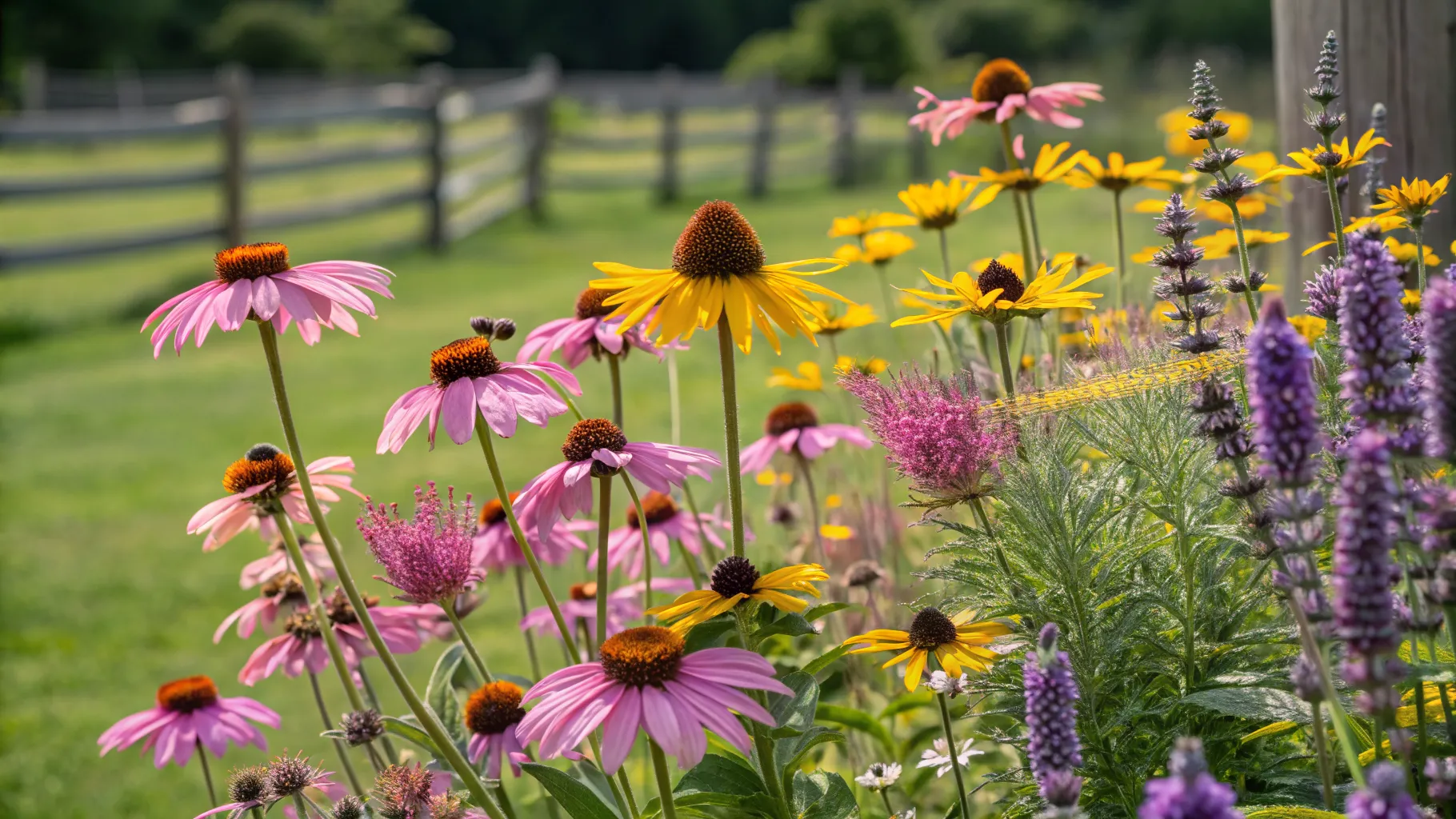
Imagine a garden that explodes with color in June and stays that way, a vibrant tapestry of blooms, right through to the first frost. This isn't a high-maintenance dream; it's the reality of a well-planned perennial garden. The secret lies in choosing the right perennials bloom all summer, creating a display of continuous flowering garden plants that return year after year. These resilient plants not only save you time and money but also provide a reliable foundation for stunning garden design, especially for those seeking beautiful yet low upkeep summer flowers.
Our Top 10 Perennials for Non-Stop Summer Color
Building a garden that offers a succession of blooms is easier than you think. The key is selecting plants known for their extended flowering period. Here are ten reliable performers that will ensure your garden remains a focal point all summer long, forming the backbone of any hardy perennial landscaping project.
1. Coneflower (Echinacea)
A classic prairie native, the Coneflower is adored by gardeners and pollinators alike. Its large, daisy-like flowers with raised centers bloom from early summer until frost. Available in shades of purple, pink, white, and even orange, they are incredibly tough and drought-tolerant once established, making them perfect low upkeep summer flowers. Their sturdy stems also mean they stand up well in bouquets.
2. Black-Eyed Susan (Rudbeckia)
For a guaranteed splash of golden-yellow, nothing beats the Black-Eyed Susan. These cheerful flowers are prolific bloomers, covering the plant in a sea of color from mid-summer to fall. They are incredibly resilient and thrive in a variety of soil conditions, embodying the spirit of hardy perennial landscaping. Their ability to self-seed ensures your garden will have even more of these sunny blooms next year.
3. Shasta Daisy (Leucanthemum × superbum)
The quintessential summer flower, the Shasta Daisy offers pure white petals around a bright yellow center. They bloom in waves from early summer to early fall, especially if deadheaded regularly. These continuous flowering garden plants provide a clean, classic look that pairs well with virtually every other color in the garden, bringing a sense of brightness and simplicity.
4. Yarrow (Achillea)
Yarrow is a workhorse in the garden, known for its flat-topped flower clusters and feathery, aromatic foliage. It thrives in hot, dry conditions where other plants might struggle. Blooming in shades of yellow, pink, red, and white, Yarrow provides color for months on end. It's an excellent choice for those seeking perennials bloom all summer with minimal water needs.
5. Coreopsis (Tickseed)
Bright, cheerful, and incredibly easy to grow, Coreopsis is a must-have for any summer garden. These plants produce an abundance of daisy-like flowers, typically in shades of yellow and pink, for an exceptionally long period. They are true low upkeep summer flowers, requiring little more than a sunny spot to perform their best. Regular shearing can encourage a second, powerful flush of blooms late in the season.
6. Salvia (Perennial Sage)
Perennial Salvia varieties, like 'May Night' or 'Caradonna', are prized for their tall, elegant spikes of violet-blue flowers. They are a magnet for hummingbirds and bees and bloom profusely from late spring through summer. If you shear the plants back after their first major bloom, you'll be rewarded with another show later in the season, making them reliable continuous flowering garden plants.
7. Lavender (Lavandula)
No perennial garden is complete without the soothing fragrance and beautiful purple flowers of Lavender. This Mediterranean native loves full sun and well-drained soil. It blooms for weeks in mid-summer, and its silvery foliage provides interest even when not in flower. It's a cornerstone of any drought-tolerant or sensory hardy perennial landscaping design.
8. Russian Sage (Perovskia atriplicifolia)
With its airy, silver-blue spires and silvery foliage, Russian Sage creates a cool, hazy effect in the summer garden. It blooms from mid-summer until fall, providing a delicate texture and color that complements bolder flowers. This plant is incredibly tough, tolerating heat, drought, and poor soil, making it a star performer among perennials bloom all summer.
9. Catmint (Nepeta)
A fantastic, low-maintenance alternative to Lavender, Catmint produces clouds of lavender-blue flowers from late spring until fall. It has a relaxed, mounding habit that is perfect for softening garden edges or filling in gaps. It's deer-resistant, drought-tolerant, and beloved by pollinators, making it an indispensable part of a garden filled with low upkeep summer flowers.
10. Garden Phlox (Phlox paniculata)
For a bold statement in the mid-to-late summer garden, Garden Phlox is unmatched. It produces large, fragrant clusters of flowers in shades of pink, purple, and white. Newer varieties have been bred for excellent mildew resistance, making them much easier to care for. They are wonderful continuous flowering garden plants that provide a classic cottage garden feel.
Choosing the Right Perennials for Your Garden's Needs
While all the plants listed are long-blooming, they have different needs. For a sun-baked, dry area, drought-tolerant heroes like Yarrow, Lavender, and Russian Sage are your best bet. They form the foundation of water-wise, hardy perennial landscaping. If you have richer soil and can provide more consistent moisture, Coneflowers, Phlox, and Shasta Daisies will thrive and reward you with abundant blooms. Consider the ultimate height and spread of each plant to create layers and visual interest, ensuring a dynamic garden design where perennials bloom all summer without overcrowding each other.
Expert Tips for Thriving Winterhart Flower Beds
To ensure your perennials return stronger each year, a little care goes a long way. Creating winterhart flower beds seniors can easily manage is about smart planning. Follow these tips for a garden of continuous flowering garden plants that lasts.
- Soil Preparation: Most perennials prefer well-drained soil. Amend heavy clay or sandy soils with compost before planting to provide a rich foundation for strong root growth.
- Deadheading: Regularly remove spent flowers. This process, known as deadheading, prevents the plant from setting seed and encourages it to produce more blooms, extending the flowering season significantly for your low upkeep summer flowers.
- Watering Wisely: Water deeply but infrequently. This encourages roots to grow deeper into the soil, making plants more resilient to drought. Morning watering is best to reduce evaporation and prevent fungal diseases.
- Mulching: Apply a 2-3 inch layer of mulch around your plants. This helps retain soil moisture, suppress weeds, and regulate soil temperature, which is key for creating truly winterhart flower beds seniors will appreciate for their ease of care.
Frequently Asked Questions
What are the easiest low upkeep summer flowers for beginners?
For beginners, Black-Eyed Susans, Coneflowers, and Catmint are fantastic choices. These plants are exceptionally resilient, tolerant of a wide range of conditions, and require minimal intervention to provide a spectacular show of color. They are the definition of low upkeep summer flowers.
How do I ensure my perennials bloom all summer long?
The key is a combination of selecting the right plants known for long bloom times, proper deadheading to encourage new flowers, providing adequate sun, and watering correctly. Combining plants with slightly different peak bloom times can also create a seamless, season-long display of perennials bloom all summer.
Are these plants suitable for winterhart flower beds seniors can manage?
Absolutely. The term 'winterhart' means winter-hardy, and all the plants on this list are robust and return reliably after winter. Their low-maintenance nature makes them ideal for winterhart flower beds seniors can enjoy without strenuous effort. Choosing drought-tolerant varieties further reduces the need for frequent watering.
References
- University Horticultural Extension Studies on Perennial Lifecycles
- Royal Horticultural Society Journals on Long-Blooming Cultivars
- National Gardening Association Plant Care Guides
- Books on Low-Maintenance and Hardy Perennial Landscaping
Authored by FreshLifeWire team