10 Foods to Avoid with Kidney Disease for Better Kidney Health Nutrition
Facts:
- Kidneys filter about 150 quarts of blood daily.
- There is a growing trend in plant-based diets for kidney wellness topics.
Navigating Your Diet for Optimal Kidney Function
Managing chronic kidney disease (CKD) requires careful attention to your diet. The food you eat directly impacts your kidney's workload and overall health. Understanding which foods to limit or avoid is a cornerstone of proper kidney health nutrition. This guide is designed to simplify complex dietary needs and provide clear, actionable information. Engaging in kidney diet discussions with your healthcare provider is crucial, but this list serves as an excellent starting point for identifying common culprits that can strain your kidneys, helping you make informed choices every day.
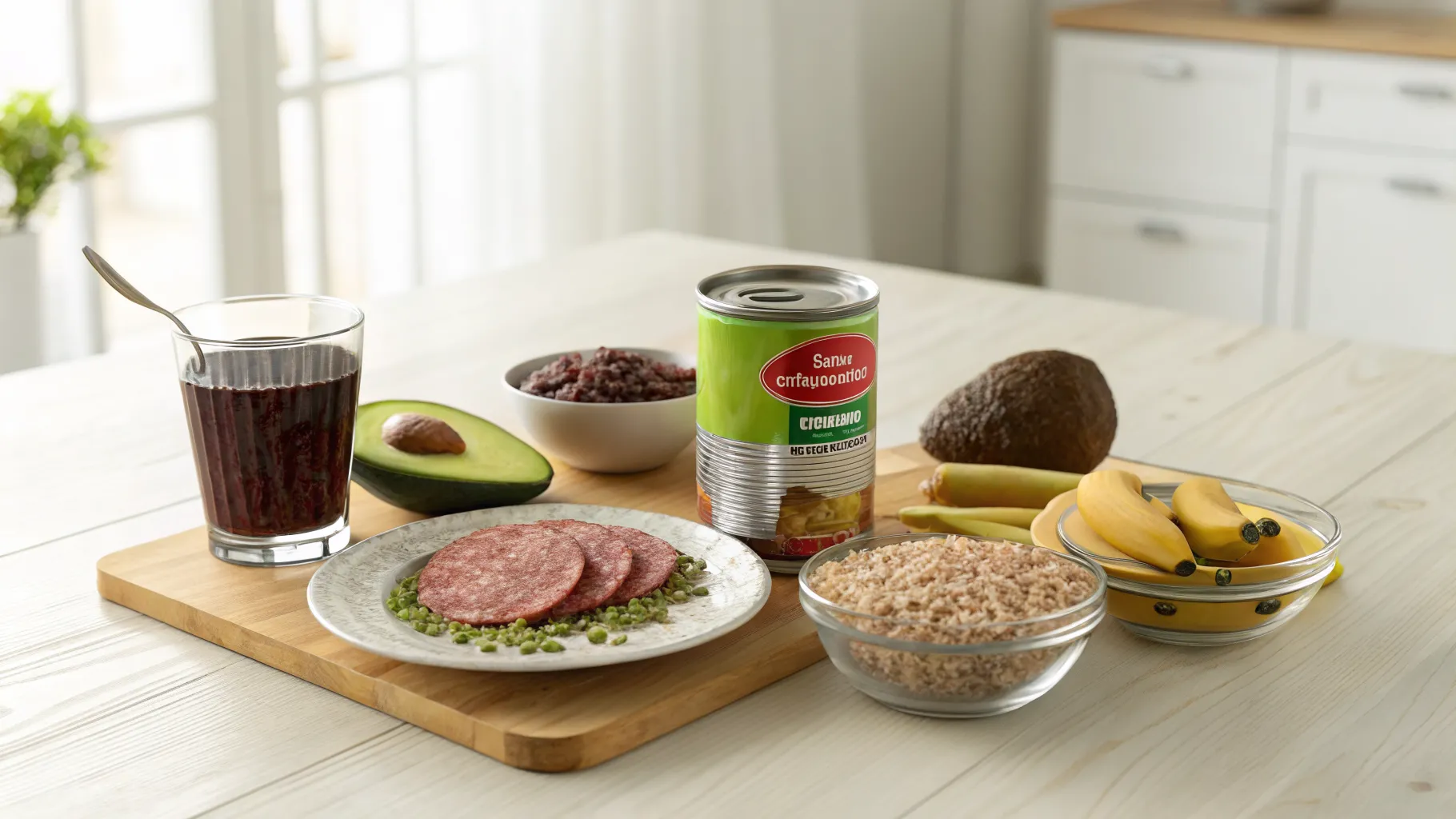
A Detailed Guide to the 10 Foods to Avoid with Kidney Disease
When your kidneys are not functioning optimally, certain minerals like sodium, potassium, and phosphorus can build up in your blood to dangerous levels. Therefore, limiting foods high in these substances is essential. The following list details the top 10 foods to avoid with kidney disease, explaining why they pose a risk and offering insights into better alternatives. This information is vital for anyone exploring kidney wellness topics.
1. Dark-Colored Sodas
Many dark-colored sodas contain phosphorus in the form of phosphoric acid, which is added for flavor and to prevent spoilage. Unlike naturally occurring phosphorus, the phosphorus from additives is almost completely absorbed by the body. This can place a significant burden on compromised kidneys and lead to high phosphorus levels in the blood, which can weaken bones and contribute to heart disease. This is one of the most critical foods linked to kidney health issues.
2. Avocados
While avocados are celebrated for their healthy fats, they are extremely rich in potassium. A single avocado can contain a substantial amount of the daily recommended potassium intake for a person on a renal diet. High potassium levels, or hyperkalemia, can be dangerous for individuals with kidney disease, potentially causing heart rhythm problems. It's a frequent topic in kidney diet discussions.
3. Canned Foods
Canned goods like soups, vegetables, and beans are often high in sodium, which is used as a preservative to extend shelf life. Excess sodium makes you thirsty, leading to fluid intake that can be difficult for damaged kidneys to process. This can cause fluid retention, high blood pressure, and shortness of breath. Always look for 'no salt added' versions or rinse canned goods thoroughly to reduce sodium content, a key aspect of good kidney health nutrition.
4. Whole Wheat Bread
For most people, whole wheat bread is a healthier choice than white bread. However, for those with kidney disease, it can be problematic due to its higher phosphorus and potassium content. One slice can contribute significantly to your daily limits. It's important to discuss bread choices with a renal dietitian to find a suitable low-phosphorus, low-potassium option.
5. Brown Rice
Similar to whole wheat bread, brown rice is another whole grain that is higher in potassium and phosphorus than its refined counterpart, white rice. While it offers more fiber, its mineral content makes it a less ideal choice for a kidney-friendly diet. Managing these mineral levels is a primary focus of many kidney wellness topics.
6. Bananas
Bananas are famously known for being a powerhouse of potassium. One medium banana contains over 400 mg of potassium. For individuals with advanced kidney disease, this amount can quickly elevate blood potassium levels to unsafe territory. This is a classic example in the list of 10 foods to avoid with kidney disease.
7. Dairy Products
Dairy products, including milk, cheese, and yogurt, are concentrated sources of phosphorus, potassium, and protein. While protein is necessary, too much can create more waste for the kidneys to filter. The high mineral content can also disrupt the delicate balance in your body. There are many kidney-friendly dairy substitutes available that are lower in these minerals.
8. Oranges and Orange Juice
Oranges and their juice are well-known for their vitamin C content but are also very high in potassium. A single large orange or a cup of orange juice can contribute a significant amount of potassium, making them one of the key foods linked to kidney health concerns that should be limited or avoided entirely in a renal diet.
9. Processed Meats
Processed meats such as bacon, sausage, hot dogs, and deli meats are preserved, seasoned, and cured with large amounts of salt. They are also often high in phosphorus additives. This combination of high sodium and phosphorus makes them particularly harmful for individuals trying to manage their kidney health and should be strictly limited.
10. Pickles, Olives, and Relish
These cured or pickled foods are made by soaking them in a brine solution, which results in an extremely high sodium content. Just a few olives or a single pickle spear can use up a large portion of your daily sodium allowance. They are a prime example of foods to avoid to maintain good kidney health nutrition.
Practical Tips for a Kidney-Friendly Diet
Adopting a new way of eating can be challenging, but small changes can make a big difference. Participating in kidney diet discussions with a registered dietitian can provide personalized guidance. Here are some actionable tips to help you manage your diet effectively.
- Read Food Labels: Pay close attention to sodium, potassium, and phosphorus content. Look for phosphorus additives like 'phos' in the ingredients list.
- Choose Fresh Over Processed: Whenever possible, opt for fresh fruits, vegetables, and meats. This gives you more control over the sodium and other minerals in your food.
- Leach High-Potassium Vegetables: Certain vegetables like potatoes and sweet potatoes can be made more kidney-friendly by peeling, cutting, and soaking them in water for several hours to draw out some of the potassium before cooking.
- Control Portion Sizes: Even kidney-friendly foods can become problematic in large quantities. Monitoring your portion sizes is a crucial skill for managing your diet and is one of the important kidney wellness topics.
Frequently Asked Questions
Why are these 10 foods to avoid with kidney disease so important to limit?
These foods are high in sodium, potassium, and/or phosphorus. When kidneys are diseased, they cannot effectively filter these substances from the blood. High levels can lead to serious health problems, including heart disease, bone disease, and high blood pressure, making dietary management a critical part of your treatment plan.
What are some important kidney wellness topics to discuss with a doctor?
You should discuss your specific dietary restrictions, fluid intake limits, and suitable food substitutes. It's also vital to talk about how your medications interact with your diet and to get a referral to a renal dietitian who can create a personalized meal plan based on your lab results and stage of kidney disease. These kidney diet discussions are essential for your health.
References
- National Kidney Foundation: Nutrition and Early Kidney Disease
- American Kidney Fund: The Renal Diet
- Journal of Renal Nutrition: Dietary Phosphorus and Kidney Disease
Authored by FreshLifeWire team