10 Foods that Support Bone Strength: A Guide to Bone Health Nutrition
Facts:
- Calcium is the most abundant mineral in the human body.
- Peak bone mass is typically reached by age 30.
Your Blueprint for a Skeleton-Supporting Diet
Building and maintaining strong bones is a lifelong process, and nutrition plays a pivotal role. A well-balanced diet for strong bones is not just about a single nutrient but a combination of vitamins and minerals working in harmony. Incorporating specific bone health nutrition foods can significantly reduce the risk of osteoporosis and fractures later in life. This guide will explore the top 10 foods for bone strength, providing a comprehensive look at how they contribute to your skeletal health.
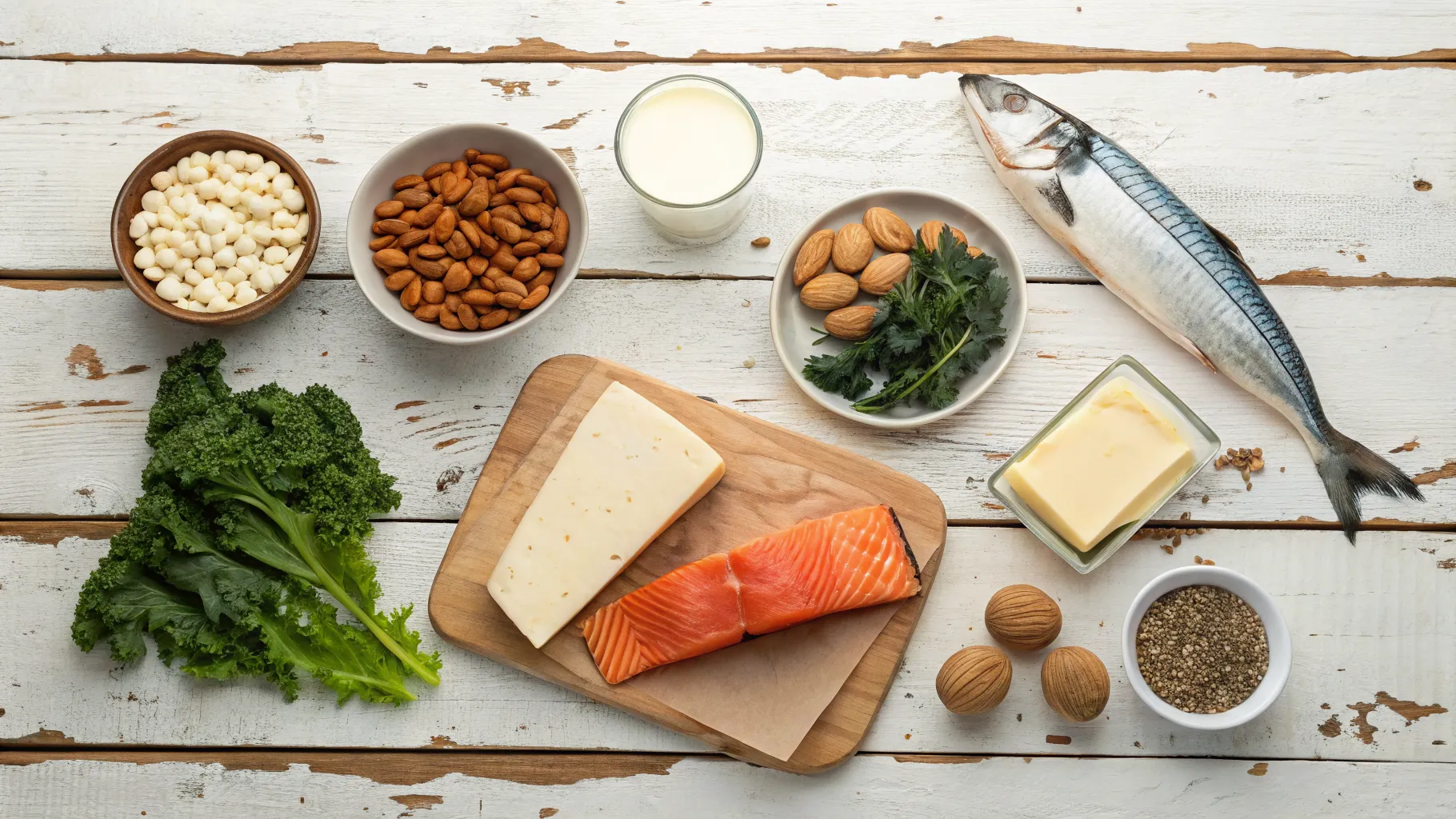
The Ultimate Bone Support Foods List
Creating a robust foundation for your skeletal system is easier than you think. By integrating the following items into your regular meals, you are actively investing in long-term bone density and resilience. This bone support foods list is designed to be both effective and accessible, helping you build a stronger tomorrow.
1. Dairy Products (Milk, Cheese, and Yogurt)
Dairy is perhaps the most famous source of calcium, the primary building block of bone tissue. A single cup of milk or yogurt can provide a significant portion of your daily calcium needs. These products are also often fortified with Vitamin D, which is essential for calcium absorption. When choosing your dairy, look for options that are low in fat but high in these key nutrients, making them quintessential calcium rich foods bones absolutely require for maintenance and growth.
2. Leafy Green Vegetables
Don't overlook the power of greens! Vegetables like kale, collard greens, spinach, and broccoli are excellent plant-based sources of calcium. While spinach contains oxalates that can interfere with calcium absorption, it's still a valuable part of a varied diet for strong bones. Kale and collard greens, in particular, offer highly bioavailable calcium and Vitamin K, another crucial nutrient for bone protein synthesis and proper bone mineralization.
3. Fatty Fish
Fatty fish such as salmon, sardines, and mackerel offer a double benefit for bone health. They are one of the few natural food sources of Vitamin D, the 'sunshine vitamin' that helps your body absorb calcium. Additionally, the omega-3 fatty acids they contain may help protect against bone loss. Canned sardines, with their soft, edible bones, are an exceptional source of calcium, making them a top contender among bone health nutrition foods.
4. Fortified Foods
Many common foods are fortified with bone-boosting nutrients. Look for fortified orange juice, cereals, and plant-based milks (like soy, almond, or oat milk). These products make it easier to meet your daily calcium and Vitamin D requirements, especially if you are lactose intolerant or follow a vegan diet. Always check the nutrition label to see how much has been added, as it can vary widely between brands in the bone support foods list.
5. Tofu and Edamame
Soy-based products like tofu and edamame are fantastic additions to any bone-healthy diet. Tofu, especially when prepared with calcium sulfate, is an incredible source of calcium. A half-cup serving can provide as much calcium as a glass of milk. Edamame provides calcium, magnesium, and potassium, all of which contribute to a strong skeletal structure, solidifying their place on the 10 foods for bone strength list.
6. Nuts and Seeds
Almonds, chia seeds, and sesame seeds are small but mighty when it comes to bone health. Almonds provide calcium, magnesium, and protein. Just a small handful can make a difference. Chia seeds are packed with calcium, phosphorus, and magnesium. Sesame seeds, particularly tahini (sesame seed paste), are also a great source of calcium. They are easy to sprinkle on salads, yogurt, or incorporate into smoothies as part of your diet for strong bones.
7. Lean Proteins
Protein makes up about half of your bone volume. While excessive protein intake was once thought to harm bones, current research shows that adequate protein is necessary for bone health and for absorbing calcium. Good sources include lean meats, poultry, and fish. For vegetarians, beans and lentils are excellent choices, offering protein as well as magnesium and phosphorus, key components of our bone support foods list.
8. Prunes
Emerging research suggests that prunes (dried plums) may help prevent and even reverse bone loss. They contain several vitamins and minerals crucial for bones, including vitamin K, potassium, and magnesium. The antioxidants in prunes may also help combat the inflammation that can contribute to bone breakdown. Adding a few prunes to your daily routine is a simple way to support your skeleton.
9. Bell Peppers and Citrus Fruits
Vitamin C is essential for the production of collagen, the protein framework of bone. Many people associate Vitamin C with oranges, which are a great choice. However, bell peppers—especially the red variety—contain even more Vitamin C per serving. Other excellent sources include strawberries, kiwis, and broccoli. Including these in your diet for strong bones supports the very matrix of your skeletal system.
10. Eggs
Eggs, specifically the yolks, are another natural source of Vitamin D. While the amount isn't as high as in fatty fish, they provide a convenient and affordable way to get this essential nutrient. They also offer high-quality protein. Starting your day with an egg can contribute to meeting your daily nutrient targets for optimal bone maintenance and is a simple part of a plan focused on bone health nutrition foods.
Practical Tips for a Bone-Healthy Diet
Knowing which foods to eat is the first step. The next is integrating them into your daily life effectively. A proactive approach to your diet for strong bones can yield significant long-term benefits. Here are some actionable tips to maximize your nutritional intake for bone health.
- Combine Nutrients: Pair your calcium rich foods bones love with sources of Vitamin D and K for maximum absorption. For example, have a salmon salad with leafy greens or a cheese omelet.
- Read Labels: When buying fortified products like cereals or plant-based milks, always check the nutrition label to understand how much calcium and Vitamin D you're actually getting per serving.
- Limit Bone Busters: Be mindful of substances that can interfere with calcium absorption or increase calcium loss. These include excessive salt, caffeine, and alcohol. Moderation is key.
- Stay Hydrated: Water is essential for overall health, including nutrient transport to your bones. Ensure you drink plenty of water throughout the day to support your body's systems.
- Cook Smart: Some cooking methods can preserve nutrients better than others. Steaming vegetables like broccoli and kale, for instance, helps retain more of their vitamin content compared to boiling.
Dairy vs. Plant-Based Calcium Sources
When considering calcium rich foods bones need, a common debate arises between dairy and plant-based options. Dairy products are renowned for their high, easily absorbable calcium content. However, for those with lactose intolerance or following a vegan lifestyle, plant-based sources are vital. Leafy greens like kale offer excellent bioavailability, but you may need to consume a larger quantity to match the calcium in a glass of milk. Fortified plant milks and tofu often level the playing field, providing comparable amounts of calcium and Vitamin D. The best strategy for a comprehensive diet for strong bones is diversity. Incorporating a mix of both dairy (if possible) and various plant-based foods from the bone support foods list ensures you receive a broader spectrum of supporting nutrients like magnesium, potassium, and Vitamin K.
Frequently Asked Questions
What are the best bone health nutrition foods?
The best bone health nutrition foods are those rich in calcium, Vitamin D, Vitamin K, and magnesium. This includes dairy products, fatty fish like salmon, leafy greens such as kale, fortified foods, and nuts like almonds.
Is a plant-based diet for strong bones effective?
Yes, a well-planned plant-based diet for strong bones can be very effective. Key foods include calcium-set tofu, fortified plant milks, leafy greens (kale, collard greens), almonds, and chia seeds. It's crucial to ensure adequate intake of both calcium and Vitamin D.
How can I get enough calcium without dairy?
You can get plenty of calcium from non-dairy sources. Focus on fortified orange juice and cereals, calcium-set tofu, canned sardines with bones, almonds, and dark leafy greens. These are all excellent calcium rich foods bones can utilize effectively.
References
- National Institutes of Health, Office of Dietary Supplements - Calcium.
- International Osteoporosis Foundation - Nutrition.
- American Bone Health - Food and Recipes for Bone Health.
Authored by FreshLifeWire team