10 Flowers That Bloom All Summer Long for a Vibrant Garden
Facts:
- Many summer bloomers attract essential pollinators like bees and butterflies.
- A major trend is using heat tolerant plants for sustainable, water-wise gardening.
Your Guide to a Season-Long Tapestry of Color
Creating a garden that remains vibrant and full of life from the first warm days of June until the cool arrival of autumn can feel like a challenge. The key is selecting the right plants. This guide focuses on the most reliable and beautiful flowers that bloom all summer, ensuring your outdoor space is a constant source of joy. We'll explore a variety of summer garden flowers that are not only stunning but also resilient, providing you with a continuous display of color with minimal fuss. These selections are perfect for both new gardeners and seasoned experts looking to enhance their landscape.
Our Top 10 Picks for Non-Stop Summer Blooms
Here are ten dependable flowers known for their exceptional performance throughout the hottest months. Each one brings unique colors, shapes, and textures to your garden, and many are fantastic heat tolerant plants perfect for sunny spots.
1. Coneflower (Echinacea)
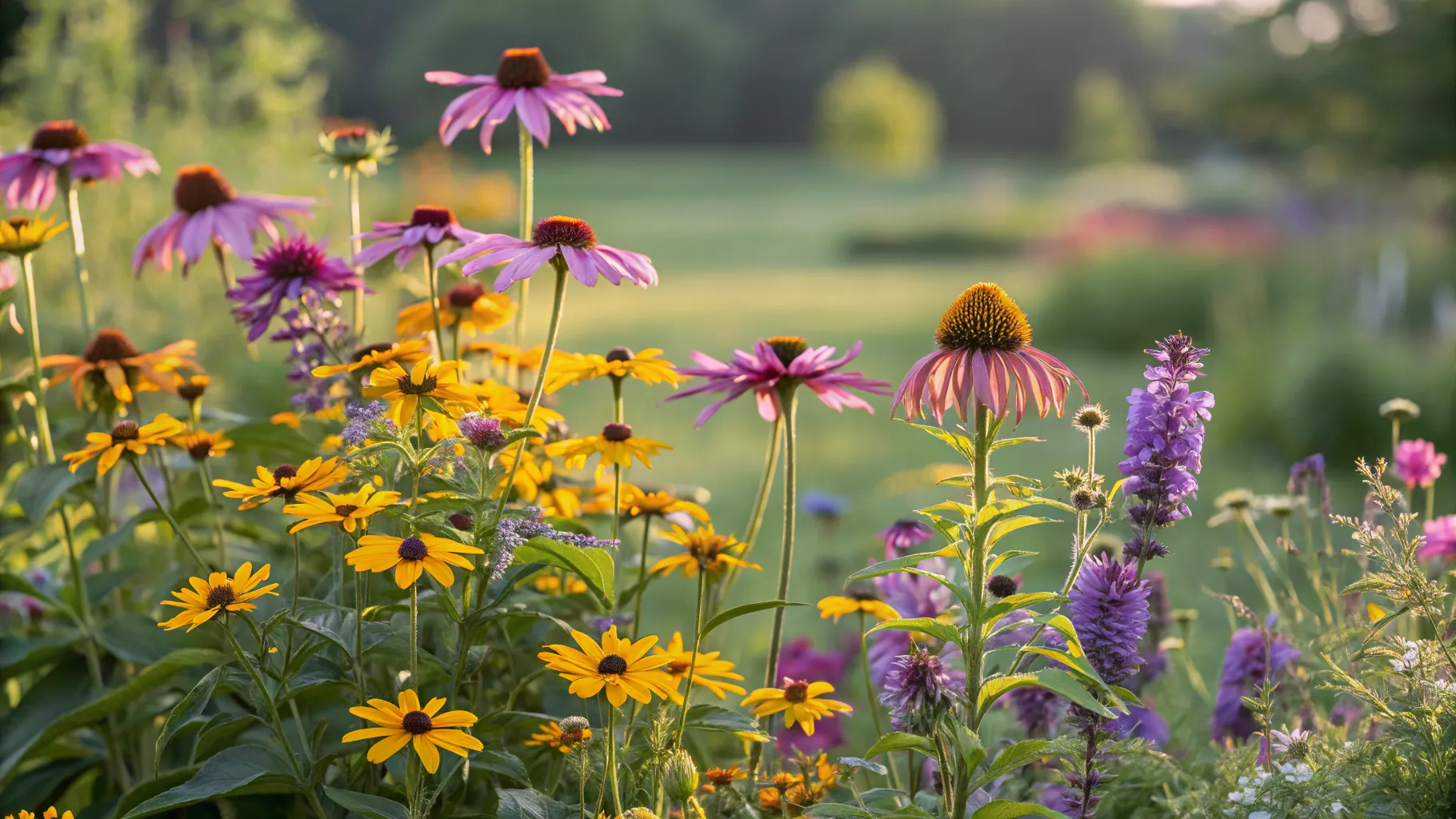
Coneflowers are the backbone of many summer gardens. These classic continuous blooming perennials are celebrated for their daisy-like flowers with raised centers. Available in shades of purple, pink, white, and even orange, they are incredibly drought-tolerant once established. They attract pollinators, require full sun, and are wonderfully low-maintenance, making them one of the most easy to grow summer flowers for any garden design.
2. Black-Eyed Susan (Rudbeckia)
With their cheerful golden-yellow petals and dark brown centers, Black-Eyed Susans are a symbol of summer. These prolific bloomers provide a splash of sunshine from mid-summer until the first frost. They thrive in full sun and are adaptable to various soil types, making them a fantastic choice for gardeners seeking reliable and vibrant summer garden flowers that return year after year.
3. Marigold (Tagetes)
Marigolds are hardworking annuals that offer non-stop color in shades of orange, yellow, and red. They are exceptionally easy to grow summer flowers, often from seed, and are known for their ability to deter pests in vegetable gardens. Marigolds are also fantastic heat tolerant plants, thriving in hot, sunny locations where other flowers might struggle. Deadheading them regularly will encourage even more blooms.
4. Zinnia (Zinnia elegans)
If you crave a rainbow of colors, Zinnias are the answer. These annuals come in nearly every hue imaginable and a variety of shapes, from single-petal daisies to fluffy pom-poms. They love the heat and will produce an abundance of flowers all summer long, especially when you cut them for bouquets. Zinnias are a prime example of flowers that bloom all summer with minimal effort.
5. Petunia (Petunia × atkinsiana)
Petunias are a container garden staple for a reason. These sprawling annuals produce a cascade of trumpet-shaped flowers in endless colors and patterns. Whether in hanging baskets, window boxes, or as ground cover, they provide consistent color all season. They prefer full sun and regular watering to maintain their vigorous blooming cycle, solidifying their spot among top summer garden flowers.
6. Salvia (Salvia nemorosa)
Perennial Salvia, particularly varieties like 'May Night' and 'Caradonna', sends up dramatic spikes of purple or blue flowers from early summer onward. If you shear them back after the first flush of blooms, they will re-bloom reliably. They are drought-tolerant, deer-resistant, and a magnet for hummingbirds and bees, making them excellent continuous blooming perennials.
7. Coreopsis (Tickseed)
Coreopsis offers a profusion of cheerful, daisy-like yellow flowers that seem to float above their delicate foliage. These native perennials are incredibly tough and thrive on neglect. They are drought-tolerant, love full sun, and will bloom their hearts out all summer with very little care, making them a perfect pick for low-maintenance flowers that bloom all summer.
8. Lavender (Lavandula)
Known for its iconic fragrance and silvery foliage, Lavender is a Mediterranean native that loves heat and sun. Its spikes of purple flowers appear in early summer and can be encouraged to re-bloom with a light shearing after the first wave. It's one of the most beloved heat tolerant plants, perfect for borders, herb gardens, and creating a calming atmosphere.
9. Gaillardia (Blanket Flower)
Gaillardia lives up to its name by blanketing the garden in fiery shades of red, orange, and yellow. These tough perennials are native to North American prairies, so they are perfectly adapted to hot, sunny, and dry conditions. They bloom relentlessly from early summer until frost, asking for little more than a sunny spot and well-drained soil. They are truly one of the best easy to grow summer flowers.
10. Yarrow (Achillea millefolium)
Yarrow features flat-topped clusters of tiny flowers that stand on tall, sturdy stems. Available in colors from traditional yellow and white to modern pinks and reds, it is an architectural and long-blooming perennial. It's exceptionally drought-tolerant and thrives in full sun, making it an indispensable part of any garden featuring continuous blooming perennials.
Annuals vs. Perennials: Choosing Your Summer Champions
When planning your garden, it's useful to understand the difference between annuals and perennials on our list. Annuals like Marigolds, Zinnias, and Petunias complete their life cycle in one year, providing an explosive and immediate color impact. They are perfect for filling gaps and creating stunning container displays. Perennials, such as Coneflower, Salvia, and Yarrow, live for multiple years. While they may take a season to establish, they are the foundation of a lasting garden, returning each spring. Combining both types gives you the best of both worlds: the instant gratification of annual summer garden flowers and the long-term reliability of continuous blooming perennials.
Tips for Maximizing Blooms in Your Summer Garden
To get the most out of your flowers that bloom all summer, follow these simple yet effective care tips:
- Deadhead Regularly: This is the most important tip. Removing spent or faded flowers signals the plant to produce more blooms instead of directing energy into seed production.
- Provide Adequate Sun: Most summer-blooming plants are sun-lovers. Ensure they receive at least 6-8 hours of direct sunlight per day for the most robust flowering.
- Water Deeply, Not Daily: Water your plants deeply at the base to encourage strong root growth. It's better to water thoroughly once or twice a week than to give a light sprinkle every day, especially for heat tolerant plants.
- Enrich Your Soil: Before planting, amend your garden beds with compost or other organic matter. Good soil structure provides the nutrients and drainage necessary for healthy plants and prolific blooms.
- Fertilize Wisely: Use a balanced, all-purpose flower fertilizer according to the package directions. Over-fertilizing can lead to lush foliage but fewer flowers, so don't overdo it.
Frequently Asked Questions
What are the easiest flowers that bloom all summer for beginners?
For beginners, some of the most foolproof options are Marigolds, Zinnias, and Black-Eyed Susans. These plants are incredibly resilient, tolerant of a wide range of conditions, and provide a massive color payoff for very little effort, making them perfect examples of easy to grow summer flowers.
How do I ensure my continuous blooming perennials come back every year?
To ensure your perennials return, choose plants appropriate for your climate zone. Provide well-draining soil to prevent root rot in winter, and apply a layer of mulch in the fall to protect the roots from extreme cold. Avoid cutting them back completely until spring, as the old foliage can offer insulation.
Which heat tolerant plants are best for very hot climates?
In extremely hot and dry climates, Gaillardia (Blanket Flower), Yarrow, and Lavender are excellent choices. These plants have evolved to thrive in sun-drenched, low-water conditions. Coneflower and Coreopsis are also exceptionally durable once they are established in the garden.
References
- University Horticulture Extension Guides
- Royal Horticultural Society Journals
- National Gardening Association Plant Database
- Gardening and Plant Care Manuals
Authored by FreshLifeWire team