Your Guide to a 14-Day Italy, Greece, and Turkey Cruise
A two-week cruise through the Mediterranean offers an incredible opportunity to experience three distinct and historically rich cultures in a single voyage. Combining the artistic treasures of Italy, the sun-drenched islands of Greece, and the vibrant history of Turkey, a 14-day itinerary provides a perfect blend of relaxation, discovery, and adventure. This journey takes you across seas that have been central to Western civilization, with each port of call offering a unique window into the past and present.
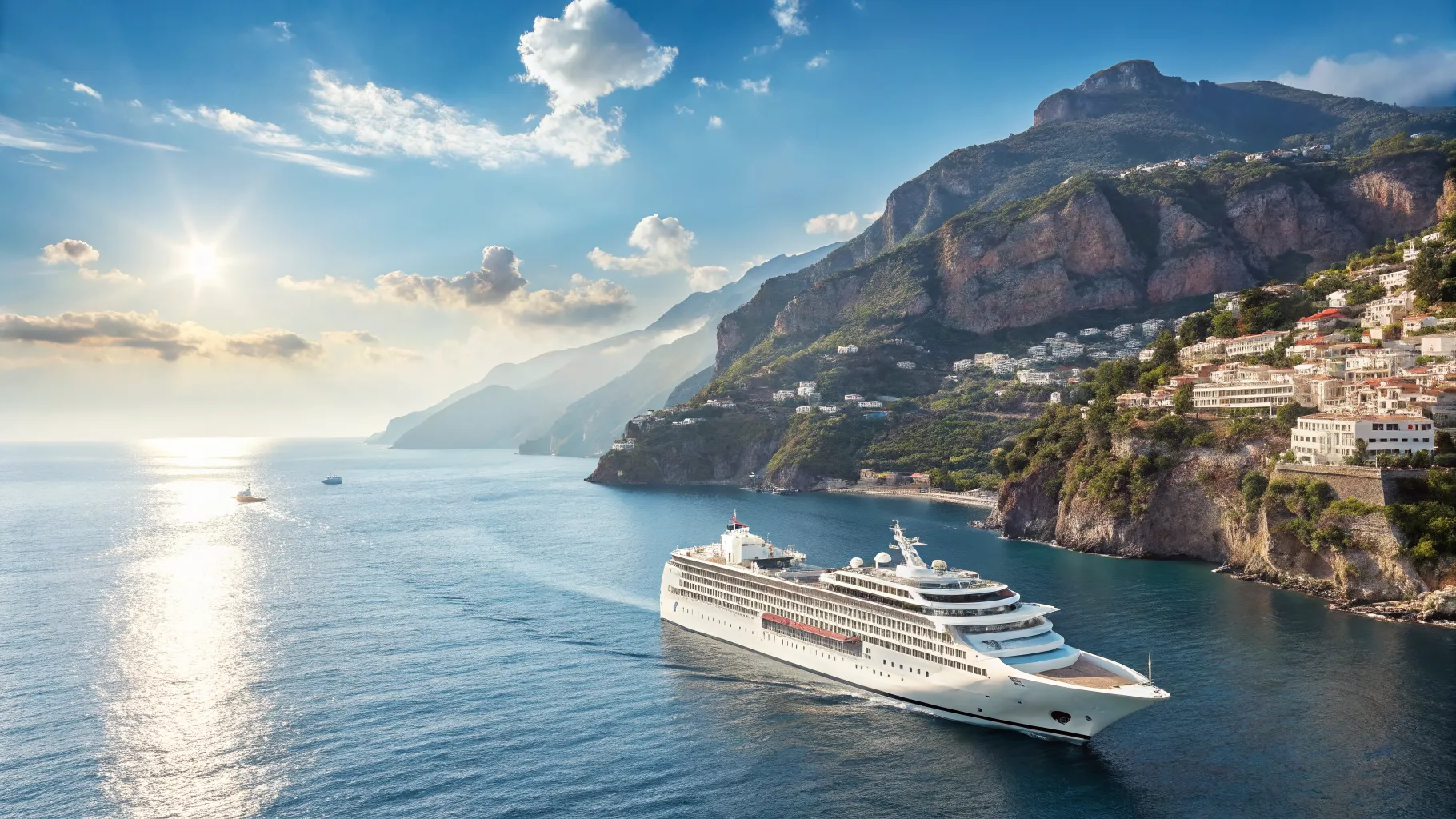
What to Expect on a Two-Week Itinerary
A 14-day cruise is an ideal length to comfortably explore the highlights of Italy, Greece, and Turkey without feeling rushed. These itineraries are carefully planned to balance days at sea with days in port. Sea days provide a chance to enjoy the ship's amenities, from pools and spas to fine dining and entertainment, while the ship repositions to its next destination. Port days are packed with opportunities for exploration, whether you join a guided shore excursion or venture out on your own.
You can expect a diverse range of experiences, from walking through ancient Roman ruins and exploring Renaissance art to relaxing on a black sand beach in Santorini and haggling in a Turkish bazaar. The onboard experience is designed to complement the destinations, often featuring regional cuisine, lectures on local history, and entertainment inspired by the cultures you are visiting. It's a seamless way to see a vast and varied region.
Common Departure and Arrival Ports
Most Eastern Mediterranean cruises that include these three countries depart from major European port cities with large international airports. The most common embarkation points are Rome (Civitavecchia), Venice, and Athens (Piraeus). Each of these cities offers a compelling reason to arrive a few days early or stay a few days after your cruise to explore.
Rome's port, Civitavecchia, is a gateway to the Eternal City's ancient wonders. Venice provides a breathtaking start or end to a voyage, with ships sailing through its iconic lagoon. Athens and its port, Piraeus, are steeped in classical history, making them a fitting starting point for a journey through the ancient world. Some itineraries may also be round-trip from one of these ports, while others are one-way, for example, starting in Rome and ending in Istanbul.
Highlights of Italy's Ports of Call
The Italian portion of your cruise will immerse you in art, history, and incredible food. Depending on your specific itinerary, you could be stopping at several famous locations. In Rome, excursions from the port of Civitavecchia typically take you to landmarks like the Colosseum, the Roman Forum, and Vatican City. A stop near Naples might offer a visit to the historic ruins of Pompeii, buried by the eruption of Mount Vesuvius, or a scenic drive along the stunning Amalfi Coast.
If your cruise includes Sicily, you might dock in Messina or Palermo, where you can explore ancient Greek temples, bustling markets, and the dramatic landscapes of Mount Etna. Venice, if it is a port of call rather than a departure point, offers an unparalleled experience of navigating its canals by gondola, visiting St. Mark's Square, and admiring its unique architecture. Each Italian port provides a different flavor of this beloved country.
Exploring the Greek Isles
Greece is often a highlight of any Mediterranean cruise, and a 14-day trip allows for visits to several of its most famous islands. Santorini is renowned for its dramatic cliffs, whitewashed villages, and breathtaking sunsets. Here, you can wander the picturesque streets of Oia or Fira and sample local wines. Mykonos is famous for its vibrant nightlife, beautiful beaches, and iconic windmills, offering a more energetic atmosphere.
Other common stops include Crete, the largest Greek island, which is home to the ancient Minoan palace of Knossos and diverse landscapes. Rhodes offers a chance to walk through a remarkably preserved medieval Old Town built by the Knights of Saint John. Corfu, with its Venetian architecture and lush greenery, provides another distinct experience. Shore excursions often include beach visits, historical tours, and culinary experiences.
Discovering Turkey's Coastal Gems
The Turkish leg of the cruise typically focuses on its Aegean coast, which is packed with historical significance. The most common port is Kusadasi, which serves as the gateway to the ancient city of Ephesus. This is one of the world's best-preserved classical cities, where you can walk down marble streets and admire the Library of Celsus and the Great Theatre. It's a truly unforgettable step back in time.
Some itineraries may also include a stop in Istanbul, a city that uniquely straddles two continents. Here, you can explore masterpieces of Byzantine and Ottoman architecture like the Hagia Sophia, the Blue Mosque, and Topkapi Palace. A visit to the bustling Grand Bazaar is also a must-do for many travelers, offering a sensory overload of sights, sounds, and smells. These ports provide a fascinating glimpse into Turkey's rich cultural tapestry.
Tips for Planning and Packing
Proper preparation can make your cruise experience even more enjoyable. When packing, think in terms of layers, as weather can vary between destinations and between day and night. Comfortable walking shoes are an absolute necessity for exploring ancient sites and cobblestone streets.
Consider what else to bring for a smooth journey. Here are a few suggestions:
- A mix of casual wear for daytime exploring and smarter outfits for evening dinners on the ship.
- Sun protection, including a wide-brimmed hat, sunglasses, and high-SPF sunscreen.
- A reusable water bottle to stay hydrated during shore excursions.
- A small backpack or day bag for carrying essentials while in port.
- Any necessary medications, along with copies of your prescriptions.
- A European power adapter to charge your electronics in hotels if you stay pre- or post-cruise.
Authored by FreshLifeWire team