Woodworking Workshops for Retirees: Your Guide to a New Hobby
Facts:
- Woodworking can improve cognitive function and motor skills.
- A rising trend in hands-on retirement hobby classes.
Why Woodworking is the Perfect Hobby for a Fulfilling Retirement
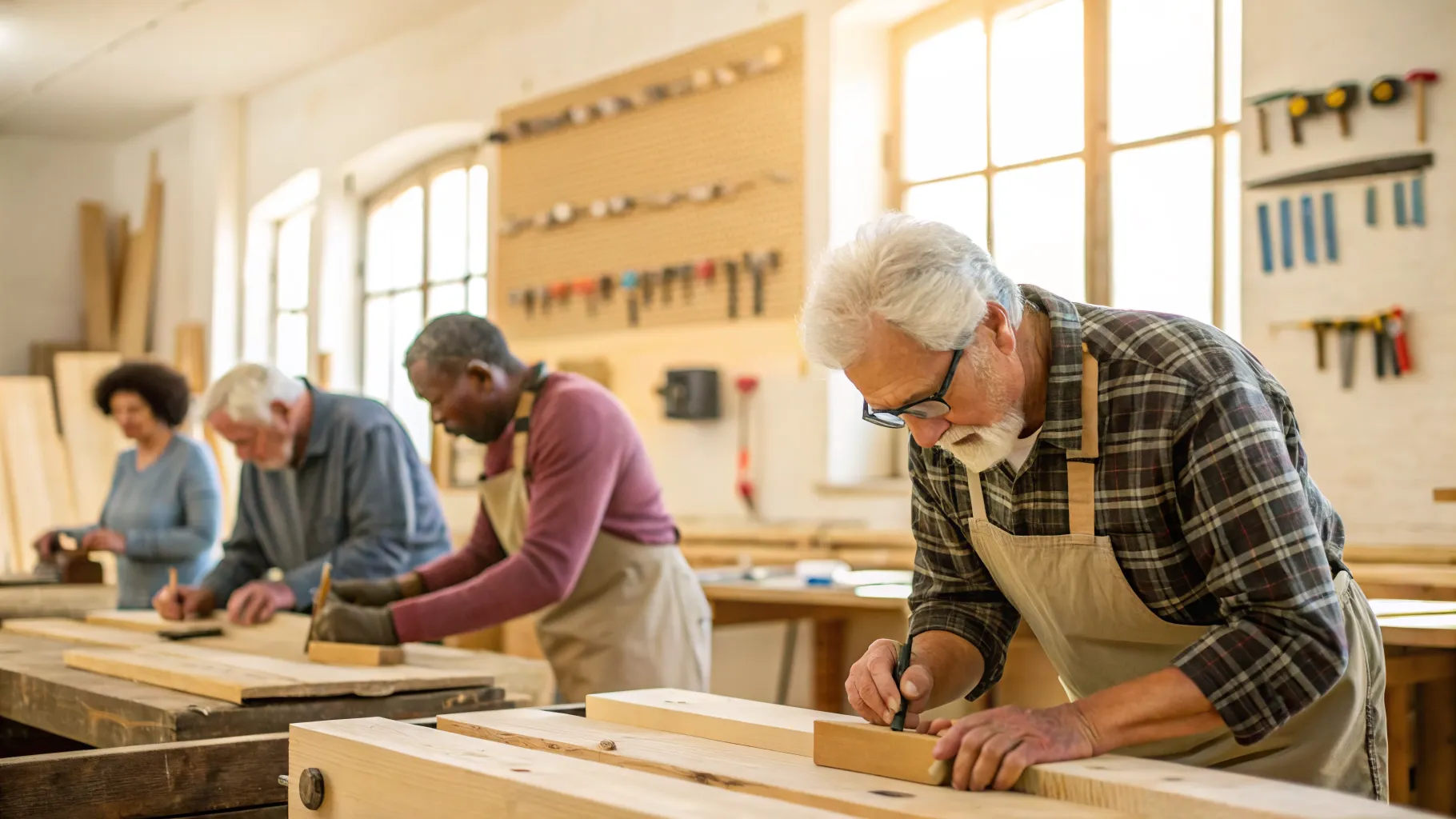
Retirement opens up a world of possibilities and time to pursue passions that were previously set aside. For many, this new chapter is the perfect opportunity to learn a tangible skill, and woodworking stands out as a uniquely rewarding choice. Engaging in adult woodworking courses not only provides a creative outlet but also fosters a sense of accomplishment as you transform raw lumber into functional art. It's more than just a hobby; it's a way to stay active, engaged, and connected. Many retirees find that joining local carpentry workshops introduces them to a community of like-minded individuals, creating new friendships and a supportive environment to learn and grow. The process of woodworking is meditative, requiring focus and precision, which can be incredibly beneficial for mental well-being.
Finding the Best Beginner Woodworking Classes Near Me
Your journey into this craft begins with finding the right instruction. A common starting point is searching online for 'beginner woodworking classes near me'. This simple search will often reveal a wealth of options, from dedicated woodworking schools to community colleges and local makerspaces. Community centers are excellent resources, frequently offering affordable retirement hobby classes designed specifically for older adults. Don't overlook local hardware stores or lumberyards, as they sometimes host introductory workshops. When evaluating options, look for courses that emphasize a small class size for personalized attention and have positive reviews from past students. A good workshop will provide all the necessary tools and materials for your initial projects, allowing you to try the hobby before making a significant investment.
What to Expect in Your First Adult Woodworking Course
Stepping into a workshop for the first time can be exciting. A typical introductory course begins with the fundamentals. The primary focus of any reputable class is teaching you how to learn woodworking safely. You'll be introduced to the most common hand tools—like saws, chisels, and planes—and learn their proper use and maintenance. Instructors will then guide you through basic power tool operations, ensuring you are comfortable and confident with machines like the table saw, miter saw, and sander. Your first few sessions will likely revolve around completing simple woodworking projects for beginners, such as making a cutting board, a small box, or a picture frame. These projects are designed to teach you essential techniques like measuring, cutting, joining, and finishing, providing a solid foundation for all your future creations.
Essential Tips to Learn Woodworking Safely
Safety is the most critical aspect of woodworking. A professional environment, like one found in local carpentry workshops, will ingrain these principles from day one. However, it's vital to always remain vigilant. Here are some indispensable safety rules to follow:
- Always Wear Protective Gear: Safety glasses are non-negotiable to protect your eyes from dust and debris. Hearing protection is crucial when using loud power tools, and a dust mask is essential to protect your lungs.
- Understand Your Tools: Never use a tool until you fully understand its function and have been properly instructed on its use. Read the manual and ask your instructor questions. Know where the power switches are and how to perform an emergency stop.
- Maintain a Clean Workspace: A cluttered workshop is a dangerous one. Keep your floor free of wood scraps, cords, and sawdust to prevent trips and falls. A clean space also helps you stay organized and focused on the task at hand.
- Avoid Distractions and Loose Items: Pay full attention to your work. Avoid wearing loose clothing, jewelry, or anything that could get caught in machinery. If you have long hair, tie it back securely. This is a core tenet when you learn woodworking safely.
Inspiring Woodworking Projects for Beginners
Once you've completed your initial adult woodworking courses, you'll be eager to start new projects. The key is to start with simple, manageable tasks that build your confidence and skills. Birdhouses are a classic for a reason; they teach basic cutting, assembly, and finishing. Custom cutting boards are another excellent choice, allowing you to experiment with different types of wood and finishing oils. As you progress, you might try building a simple bookshelf, a step stool, or a set of coasters. These woodworking projects for beginners are not only practical but also make wonderful, handcrafted gifts for family and friends. The satisfaction of creating something beautiful and useful with your own hands is one of the greatest rewards of this timeless hobby.
Frequently Asked Questions
What tools will I need for beginner woodworking classes near me?
For most introductory beginner woodworking classes near me, you will not need to bring your own tools. The workshop or school will provide everything you need, including hand tools, power tools, and all necessary safety equipment. This allows you to learn without the upfront cost of purchasing expensive equipment.
How much do local carpentry workshops typically cost?
The cost of local carpentry workshops can vary significantly based on location, duration, and the institution offering them. A weekend-long introductory course might range from $150 to $400, while a multi-week course at a community college could be more. The fee usually includes materials for your first project and instructional time.
Are there specific retirement hobby classes focused only on woodworking?
Yes, absolutely. Many community centers and woodworking schools recognize the growing interest from retirees and offer specific retirement hobby classes. These courses are often scheduled during weekdays and may proceed at a more relaxed pace, focusing on community building as much as skill development.
References
- Woodworkers Guild of America - Beginner Resources
- Fine Woodworking Magazine - Safety Guidelines
- Journal of Applied Gerontology - The Benefits of Hobbies on Aging
- Popular Woodworking - Beginner Project Plans
Authored by FreshLifeWire team