Pottery Classes for Retirees: A Creative Guide to Getting Started
Facts:
- Creative hobbies can reduce stress levels by up to 45%.
- Lifelong learning participation is a growing trend for retirees.
Why Clay is the Perfect Creative Companion in Your Golden Years
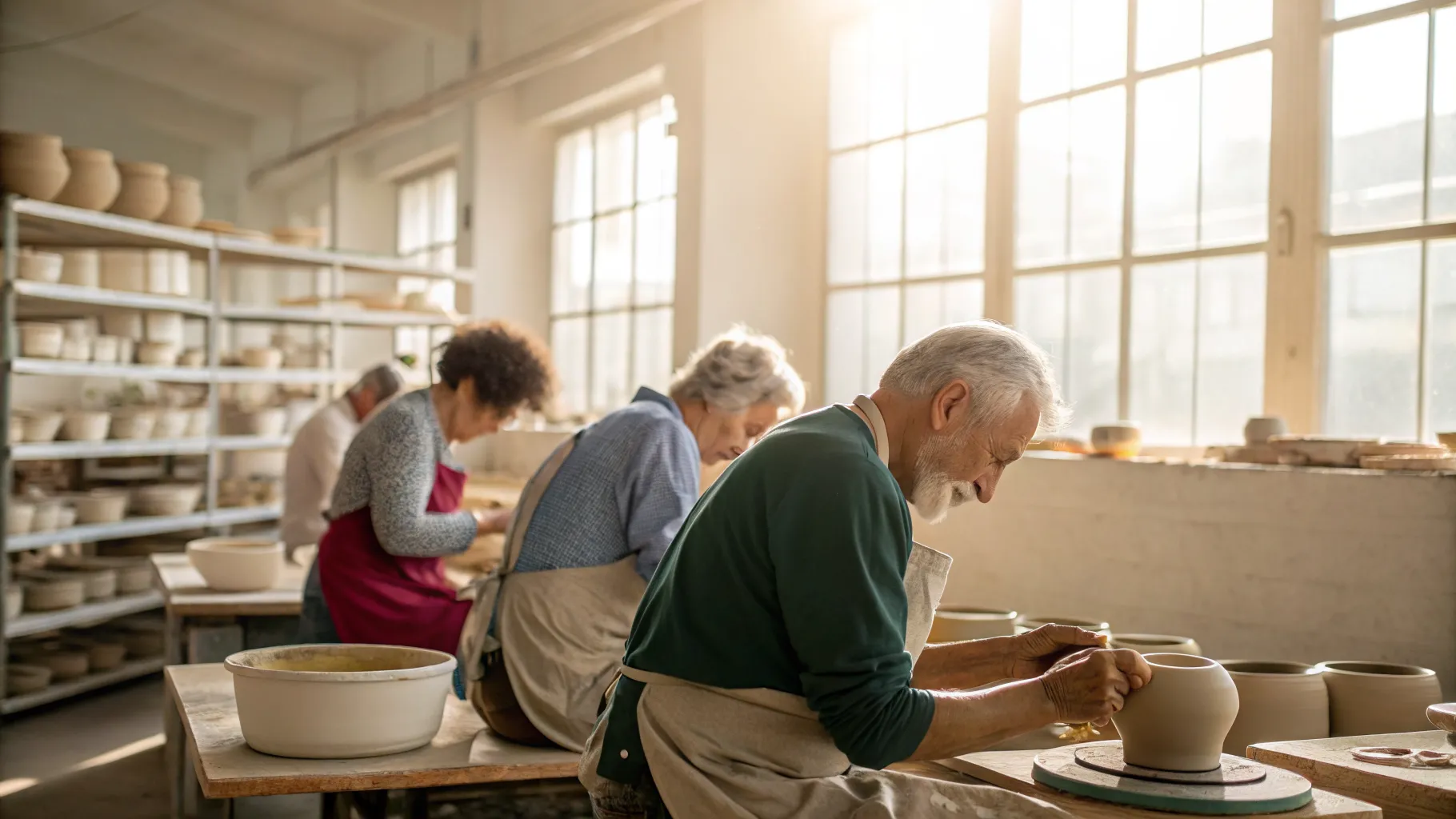
Retirement offers a unique opportunity to explore new passions and hobbies that were once pushed aside by the demands of a career and family. For many, this new chapter is the perfect time to engage in activities that are not only enjoyable but also beneficial for both mind and body. This is where pottery classes for retirees come in, offering a wonderful blend of artistic expression, mental focus, and gentle physical activity. Engaging in ceramics classes for seniors provides a structured yet relaxed environment to learn a timeless craft, connect with peers, and create beautiful, tangible objects with your own hands. It’s more than just playing with mud; it’s a therapeutic process that nurtures creativity and offers a profound sense of accomplishment.
Finding the Right Class for Your Creative Spirit
When you decide to learn pottery over 60, the first step is finding a class that fits your comfort level and interests. Studios offer a wide range of options tailored to different skill levels and goals. Beginner courses are the most common starting point, focusing on fundamental techniques like centering clay on the wheel, pulling walls, and basic hand-building methods such as pinching, coiling, and slab building. These introductory clay workshops for retirees are designed to be accessible and encouraging, ensuring everyone can progress at their own pace. For those with some prior experience, intermediate classes might explore more advanced glazing techniques or complex forms. It's wise to visit a few local studios, speak with the instructors, and observe a class to find an atmosphere that feels welcoming and supportive for your journey into ceramic workshops for older adults.
The Tangible Benefits of Pottery for Health and Wellness
The advantages of engaging in pottery extend far beyond the artistic creations you take home. The craft is remarkably beneficial for senior health. Physically, working with clay helps maintain hand strength and improves dexterity and fine motor skills, which can be particularly valuable as we age. The process of kneading and shaping clay is a low-impact exercise for the hands, wrists, and arms. Mentally, the intense focus required for pottery acts as a form of mindfulness, helping to reduce stress and anxiety. The rhythmic, repetitive motions of working on a pottery wheel can be incredibly meditative. Furthermore, participating in ceramics classes for seniors fosters social connection, combating the loneliness that can sometimes accompany retirement and building a new community around a shared interest.
Hand-Building vs. Wheel Throwing: A Comparison for Beginners
When you join pottery classes for retirees, you'll typically be introduced to two primary methods: hand-building and wheel throwing. Hand-building is often considered more accessible for absolute beginners as it doesn't require the intense coordination of using a potter's wheel. Techniques like pinch pots, coil building, and slab construction allow for immense creative freedom and are less physically demanding. This method is perfect for creating organic shapes, sculptures, and functional items like mugs and plates. In contrast, wheel throwing involves 'throwing' a ball of clay onto a spinning wheel to shape it into symmetrical, vessel-like forms. While it has a steeper learning curve, many find the process deeply rewarding and almost hypnotic. Many clay workshops for retirees offer introductory sessions that cover both methods, allowing you to discover which technique resonates most with you before committing to a specialized course.
What to Expect in Your First Pottery Workshop
Walking into your first pottery class can be exciting, and knowing what to expect can ease any initial nerves. A typical beginner's session in one of the many ceramic workshops for older adults will start with an introduction to the studio, the tools, and the clay itself. The instructor will likely demonstrate the day's technique, whether it's centering clay on the wheel or rolling out a perfect slab. Then, it's your turn to get your hands dirty. Be prepared to make mistakes – it's all part of the learning process! Your first few creations might not be perfect, but the goal is to familiarize yourself with the feel of the clay. The class usually concludes with cleanup and instructions on how your pieces will be fired in the kiln. The atmosphere is typically relaxed and collaborative, with plenty of guidance from the instructor and encouragement from fellow students looking to learn pottery over 60.
Actionable Advice for Your Pottery Journey
To make the most of your pottery experience, a little preparation goes a long way. These tips can help you feel comfortable and confident as you begin your new creative hobby.
- Dress for the Mess: Wear comfortable clothes and shoes that you don't mind getting splattered with clay. An apron is a must-have, and it's also a good idea to trim your fingernails short to avoid marking your creations.
- Embrace Imperfection: Your first attempts will likely be wobbly and uneven, and that's perfectly okay. Pottery teaches patience and acceptance. Every piece, perfect or not, is a step forward in your learning process.
- Ask Questions: Instructors are there to help. Don't hesitate to ask for guidance if you're struggling with a technique. Learning from their experience is a key part of any pottery classes for retirees.
- Stay Hydrated and Stretch: Working with clay can be more physically demanding than it looks. Keep water nearby and take moments to stretch your hands, wrists, and back, especially during longer sessions.
- Connect with Classmates: One of the greatest benefits of ceramics classes for seniors is the social aspect. Chat with your fellow students, share tips, and celebrate each other's progress.
Frequently Asked Questions
Do I need any prior artistic experience for pottery classes for retirees?
Absolutely not. The vast majority of beginner pottery and ceramics classes are designed for individuals with no previous experience. Instructors guide you through every step, from preparing the clay to the final glaze. The focus is on learning and enjoyment, not creating a masterpiece on day one.
What is the difference between ceramics and pottery?
The terms are often used interchangeably. 'Pottery' typically refers to objects made from clay, specifically earthenware. 'Ceramics' is a broader term that encompasses all items made from clay and fired at high temperatures, including pottery, stoneware, and porcelain. Essentially, all pottery is a type of ceramic, so ceramics classes for seniors will cover all the skills you need.
Are there specialized clay workshops for retirees with physical limitations?
Yes, many studios are accommodating. Hand-building techniques, for instance, can be done while seated and are less physically intensive than wheel throwing. It is always best to contact the studio beforehand to discuss any specific needs or concerns. Many instructors are skilled at adapting techniques for varying levels of mobility and strength.
References
- National Institute on Aging - The Health Benefits of Arts and Crafts
- Journal of Applied Gerontology - Creative Arts Interventions for Older Adults
- American Art Therapy Association - Art, Retirement, and the Creative Self
Authored by FreshLifeWire team