The Ultimate Guide to Hair Care for Mature Women: Healthy Aging Hair Tips
Facts:
- Hair strands naturally become finer and less dense with age.
- A key trend for women over 50 is embracing natural grey hair with silver-enhancing products.
Embracing Grace: A Deep Dive into Hair Care for Mature Women
As we age, our bodies go through numerous changes, and our hair is no exception. The vibrant, thick locks of our youth may give way to hair that is finer, drier, and more prone to breakage. This transition is completely natural, but it does require a shift in how we approach our routines. Effective hair care for mature women is not about fighting aging, but about adapting to it with grace and knowledge. Understanding the specific needs of your hair is the first step towards maintaining its health, strength, and beauty for years to come. This guide will provide comprehensive mature hair care tips and strategies, focusing on nourishment from the inside out and creating a regimen that supports healthy aging hair at every stage.
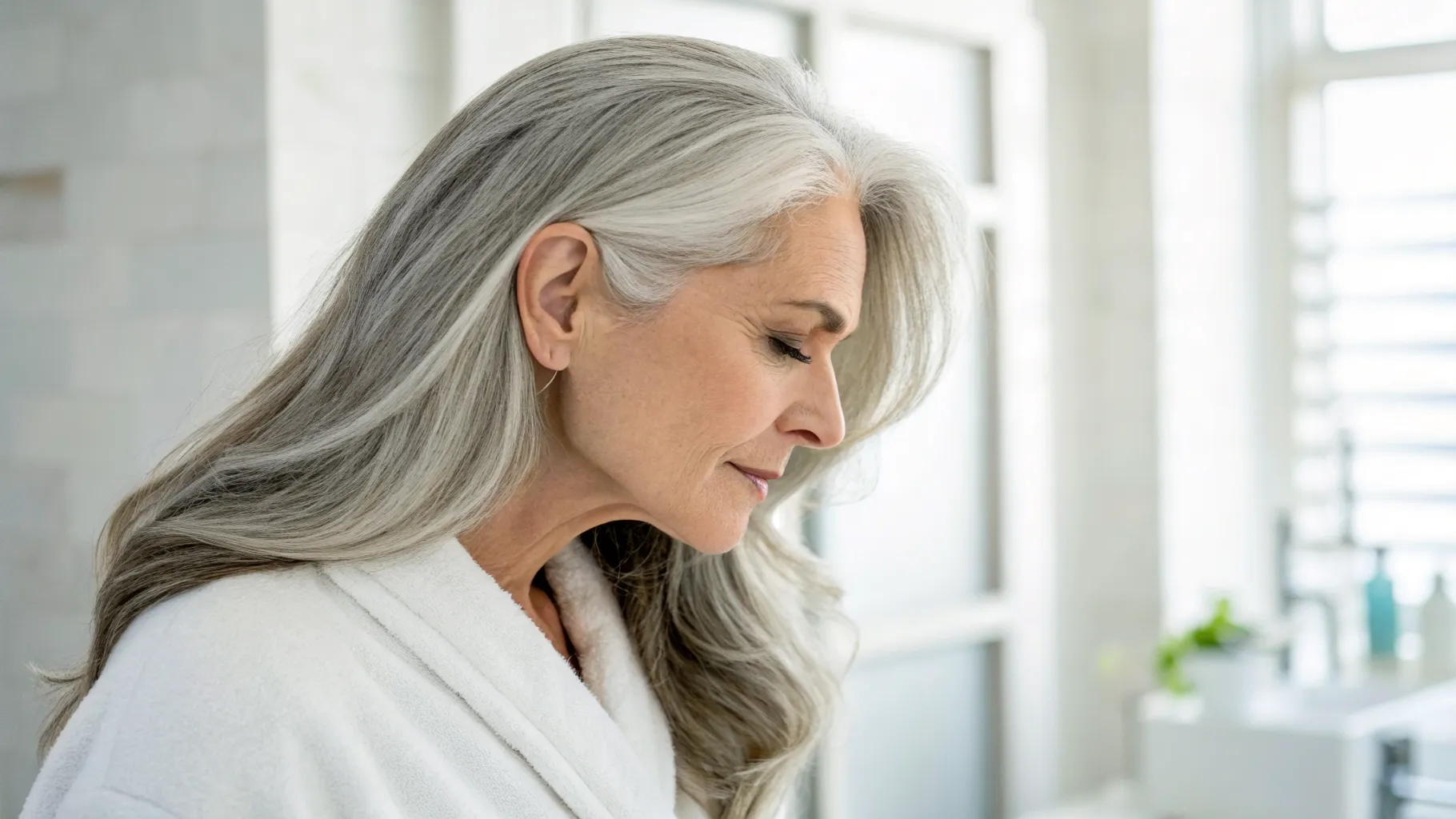
Understanding the Changes in Aging Hair
The journey of healthy aging hair begins with understanding the biological shifts that occur. After the age of 40, and especially post-menopause, hormonal fluctuations play a significant role. Estrogen levels decline, which can shorten the hair's growth phase (anagen phase) and extend its resting phase (telogen phase), leading to increased shedding and reduced overall density. Furthermore, the sebaceous glands on the scalp produce less oil, or sebum. While this might mean fewer 'greasy hair' days, it also results in natural moisture loss, causing dryness, brittleness, and a lack of shine. The pigment-producing cells, melanocytes, also become less active, leading to graying. A dedicated approach to hair care after 50 must address these core issues: moisture retention, scalp health, and gentle handling to prevent further damage.
Essential Mature Hair Care Tips for Daily Routines
Adapting your daily routine is fundamental for effective hair care for mature women. Start by reassessing your cleansing products. Harsh sulfates found in many shampoos can strip the hair of its already diminished natural oils. Switch to a sulfate-free, hydrating shampoo and conditioner specifically formulated for dry or aging hair. Don't over-wash; for most, washing two to three times a week is sufficient. When you do wash, use lukewarm water instead of hot, as high temperatures can exacerbate dryness. A critical aspect of hair care after 60 is focusing on the scalp. Regular, gentle scalp massages can stimulate blood circulation, which helps deliver vital nutrients to the hair follicles, promoting healthier growth. Consider incorporating a pre-shampoo treatment or a lightweight scalp serum with ingredients like peptides or antioxidants to nourish the scalp environment directly.
Nutrition and Lifestyle: The Foundation of Healthy Aging Hair
True hair health begins within. No topical product can fully compensate for a diet lacking in essential nutrients. A robust strategy for healthy aging hair must include a balanced diet rich in vitamins and minerals. Ensuring you get enough protein is crucial, as hair is primarily made of a protein called keratin. Incorporate lean meats, fish, eggs, and legumes into your meals. Additionally, several micronutrients are vital for maintaining hair vitality.
- Biotin: Often called the 'hair growth vitamin,' Biotin (B7) is essential for producing keratin. It is found in nuts, seeds, and sweet potatoes.
- Iron: Iron deficiency is a common cause of hair loss, particularly in women. Ensure your diet includes iron-rich foods like spinach, red meat, and lentils.
- Vitamin C: This antioxidant helps your body absorb iron and is also critical for producing collagen, a protein that strengthens hair. Citrus fruits, strawberries, and bell peppers are excellent sources.
- Omega-3 Fatty Acids: Found in fatty fish like salmon and flaxseeds, these fats are essential for scalp health and can add luster and shine to your hair.
Choosing the Right Products for Hair Care After 50
The market for hair products can be overwhelming, but focusing on key ingredients can simplify your choices. When seeking solutions for hair care after 50, look for products that offer intense hydration and repair. Ingredients like hyaluronic acid, which can hold many times its weight in water, are fantastic for combating dryness. Ceramides and natural oils such as argan, jojoba, or avocado oil help to seal the hair cuticle, locking in moisture and reducing frizz. For those experiencing thinning, products containing ingredients like minoxidil (in consultation with a doctor), caffeine, or saw palmetto can be beneficial. Weekly deep conditioning treatments or hair masks are non-negotiable. These intensive treatments provide a concentrated dose of moisture and nutrients, helping to restore elasticity and prevent breakage. Proper hair care after 60 means being selective and investing in quality formulations that cater specifically to the needs of mature hair.
Advanced Treatments and Styling Considerations
As hair becomes more fragile, how you style it matters immensely. Minimize the use of heat styling tools like flat irons and curling wands. When you must use them, always apply a high-quality heat protectant spray and use the lowest effective temperature setting. Explore heatless styling methods to create waves or volume. Protective hairstyles that don't pull tightly on the scalp can also help prevent traction alopecia, a form of hair loss caused by constant tension. For more significant concerns with thinning, consulting a dermatologist or trichologist is a wise step. They can offer advanced solutions for hair care for mature women, including professional treatments, prescription medications, or low-level laser therapy, which has shown promise in stimulating hair follicles and promoting new growth. These expert mature hair care tips can provide targeted solutions for more persistent issues.
Frequently Asked Questions
What is the most important aspect of hair care for mature women?
The most crucial aspect is moisture. As we age, our scalp produces less natural oil, leading to dryness, brittleness, and breakage. Prioritizing hydration through moisturizing shampoos, regular deep conditioning treatments, and leave-in conditioners is fundamental to maintaining the health and elasticity of aging hair.
How can I manage thinning hair effectively with hair care after 60?
Managing thinning hair involves a multi-faceted approach. Start with a nutrient-rich diet and consider a supplement like biotin or collagen after consulting your doctor. Use a volumizing shampoo and conditioner to create the appearance of fullness. Gentle scalp massages can also stimulate circulation. For more advanced thinning, consult a dermatologist to discuss treatments like minoxidil or other targeted therapies.
Are there specific ingredients I should look for in products that offer good mature hair care tips?
Yes, look for products with hydrating and strengthening ingredients. Hyaluronic acid, glycerin, and panthenol are excellent for attracting moisture. Natural oils like argan, jojoba, and coconut oil help seal the cuticle. Proteins like keratin and amino acids can help repair and fortify the hair shaft, which is essential for healthy aging hair.
References
- The Journal of Clinical and Aesthetic Dermatology
- International Journal of Trichology
- Perspectives from the American Academy of Dermatology
- Nutritional science reviews on aging and hair health
Authored by FreshLifeWire team