Nourishing Your Skeleton: A Guide to Foods for Stronger Bones
Our bones are dynamic, living tissues that are constantly being broken down and rebuilt. This continuous process, known as bone remodeling, relies heavily on a steady supply of specific nutrients from our diet. While often associated with childhood growth, bone health remains vital throughout adulthood, impacting mobility, strength, and quality of life.
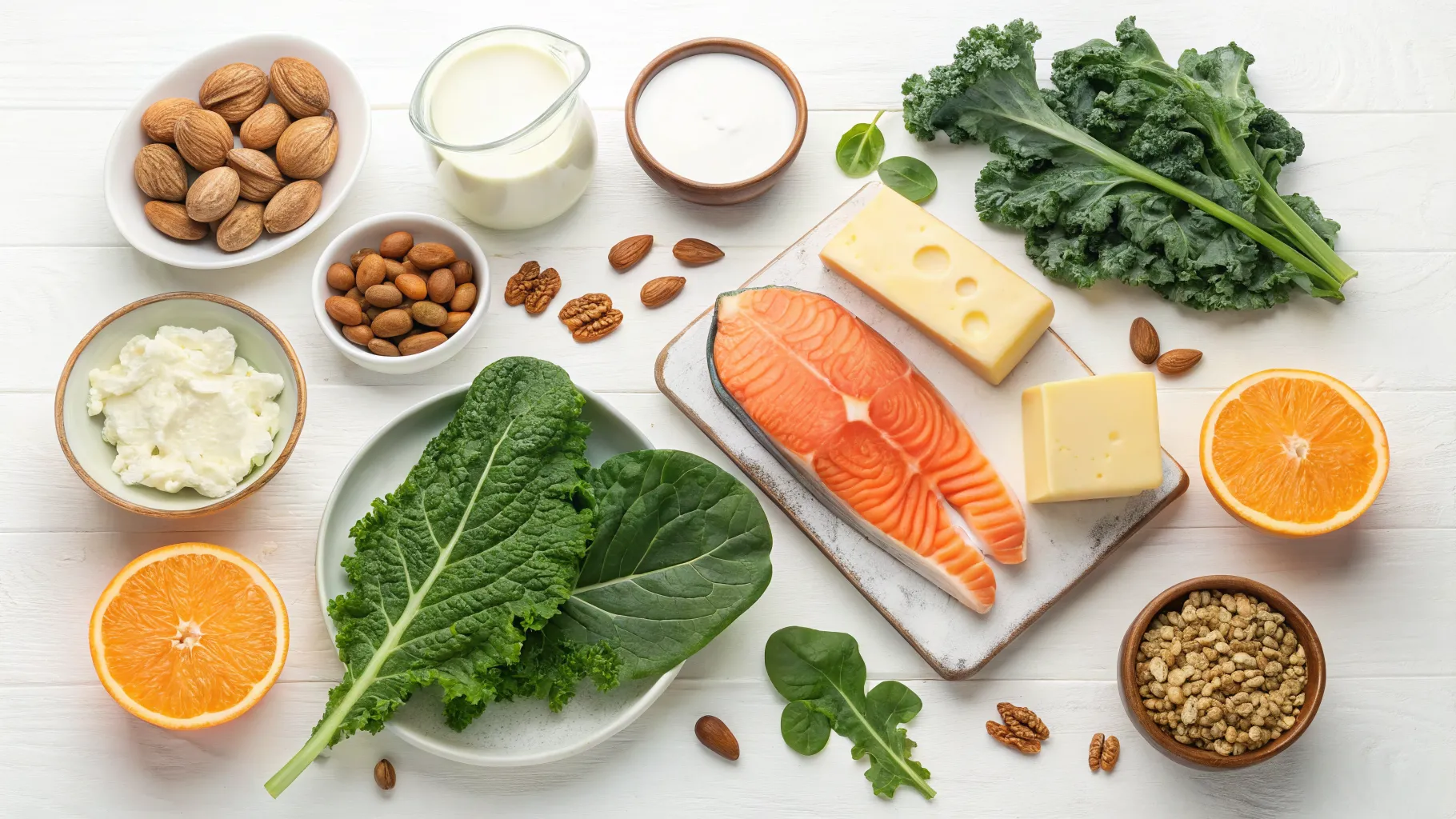
Understanding Bone Health and Nutritional Needs
Bones provide structure, protect organs, anchor muscles, and store calcium. When we don't get enough bone-building nutrients, our bodies may take calcium from our bones, potentially leading to weakened bone structure over time. A balanced diet is therefore not just about overall health, but specifically about supporting the integrity and density of our skeletal system.
The peak bone mass typically occurs around age 30, after which bone density can gradually decline. However, diet and lifestyle choices can significantly influence the rate of this decline and help maintain bone strength well into later life. Focusing on nutrient-dense foods is a proactive step towards a resilient skeleton.
The Pillars of Bone Strength: Calcium and Vitamin D
Calcium is undeniably the most abundant mineral in the body and a fundamental building block of bone tissue. Approximately 99% of the body's calcium is stored in the bones and teeth, providing their rigid structure. Adequate calcium intake is crucial for bone formation, maintenance, and repair.
However, calcium cannot work effectively without Vitamin D. This fat-soluble vitamin plays a pivotal role in helping the body absorb calcium from the gut and incorporate it into the bones. Without sufficient Vitamin D, even a high-calcium diet may not fully benefit bone health. Our bodies can produce Vitamin D when exposed to sunlight, but dietary sources are also important.
Calcium-Rich Food Sources
Incorporating a variety of calcium-rich foods into your daily diet is essential. Dairy products are well-known for their calcium content, but many other options are available for those with dietary restrictions or preferences.
- Dairy Products: Milk, yogurt, and cheese are excellent sources of calcium, often fortified with Vitamin D.
- Leafy Green Vegetables: Kale, collard greens, turnip greens, and broccoli provide a good amount of calcium, though the absorption rate can vary.
- Fortified Foods: Many plant-based milks (almond, soy, oat), orange juice, and cereals are fortified with calcium and Vitamin D.
- Fish: Canned salmon and sardines with bones are surprisingly rich in calcium.
- Legumes and Nuts: White beans, almonds, and fortified tofu are good plant-based contributors.
Optimizing Vitamin D Intake
While sunlight is a primary source, dietary Vitamin D is critical, especially in regions with less sun exposure or for individuals who limit sun exposure. Few foods naturally contain significant amounts of Vitamin D, making fortified options and certain fatty fish particularly valuable.
Fatty fish like salmon, mackerel, and tuna are among the best natural food sources of Vitamin D. Some mushrooms exposed to UV light also contain Vitamin D. Additionally, many dairy products, plant-based milks, and cereals are fortified with Vitamin D to help meet daily requirements.
Beyond Calcium and Vitamin D: Other Key Bone Nutrients
Bone health is a complex process that relies on more than just calcium and Vitamin D. Several other vitamins and minerals play supportive roles in bone formation, mineral density, and overall skeletal integrity.
- Magnesium: Important for bone structure and helps regulate calcium and Vitamin D levels. Found in nuts, seeds, whole grains, and leafy greens.
- Vitamin K: Essential for bone mineralization and the production of bone proteins. Abundant in leafy green vegetables like spinach and kale, and some fermented foods.
- Phosphorus: A major component of bone mineral, working in conjunction with calcium. Found in protein-rich foods such as meat, poultry, fish, eggs, and dairy.
- Potassium: May help reduce calcium loss from bones. Found in fruits and vegetables like bananas, potatoes, and spinach.
- Vitamin C: Crucial for collagen production, a key structural protein in bone. Found in citrus fruits, berries, bell peppers, and broccoli.
Foods and Habits to Consider Limiting for Bone Health
Just as some foods boost bone health, others can potentially hinder it if consumed in excess. Being mindful of these can contribute to a more comprehensive bone-healthy diet.
High sodium intake can increase calcium excretion, meaning more calcium leaves the body through urine. Excessive caffeine consumption may also modestly increase calcium loss, though research on its overall impact is mixed. Overly restrictive diets that lack essential nutrients can also negatively affect bone density. Additionally, alcohol and smoking are known to be detrimental to bone health and should be limited or avoided.
Authored by FreshLifeWire team