Flowers that Bloom All Summer and Come Back Every Year: A Gardener's Guide
Facts:
- Perennials are plants that can live for more than two years.
- A major trend for sustainable gardening involves using long blooming perennials.
Your Guide to a Garden Filled with Non-Stop Summer Blooms
Creating a beautiful garden that bursts with color from late spring until the first frost doesn't have to be a yearly chore of replanting. The secret lies in selecting the right flowers that bloom all summer and come back every year. These hardy plants, known as perennials, establish strong root systems and return with vigor each season, saving you time, money, and effort. By choosing a variety of long blooming perennials, you can design a dynamic landscape that offers continuous beauty and supports local pollinators. This guide will explore some of the best and most reliable perennial garden plants to ensure your garden is a vibrant oasis all summer long.
Top Choices for Long Blooming Perennials
When it comes to selecting plants, the sheer number of options can be overwhelming. To simplify the process, we've curated a list of proven performers known for their endurance and stunning floral displays. These are the workhorses of the garden, the reliable returning garden flowers that provide a backbone of color and texture throughout the hottest months of the year. Each of these varieties has been selected for its long bloom time, resilience, and overall garden appeal.
Coneflower (Echinacea)
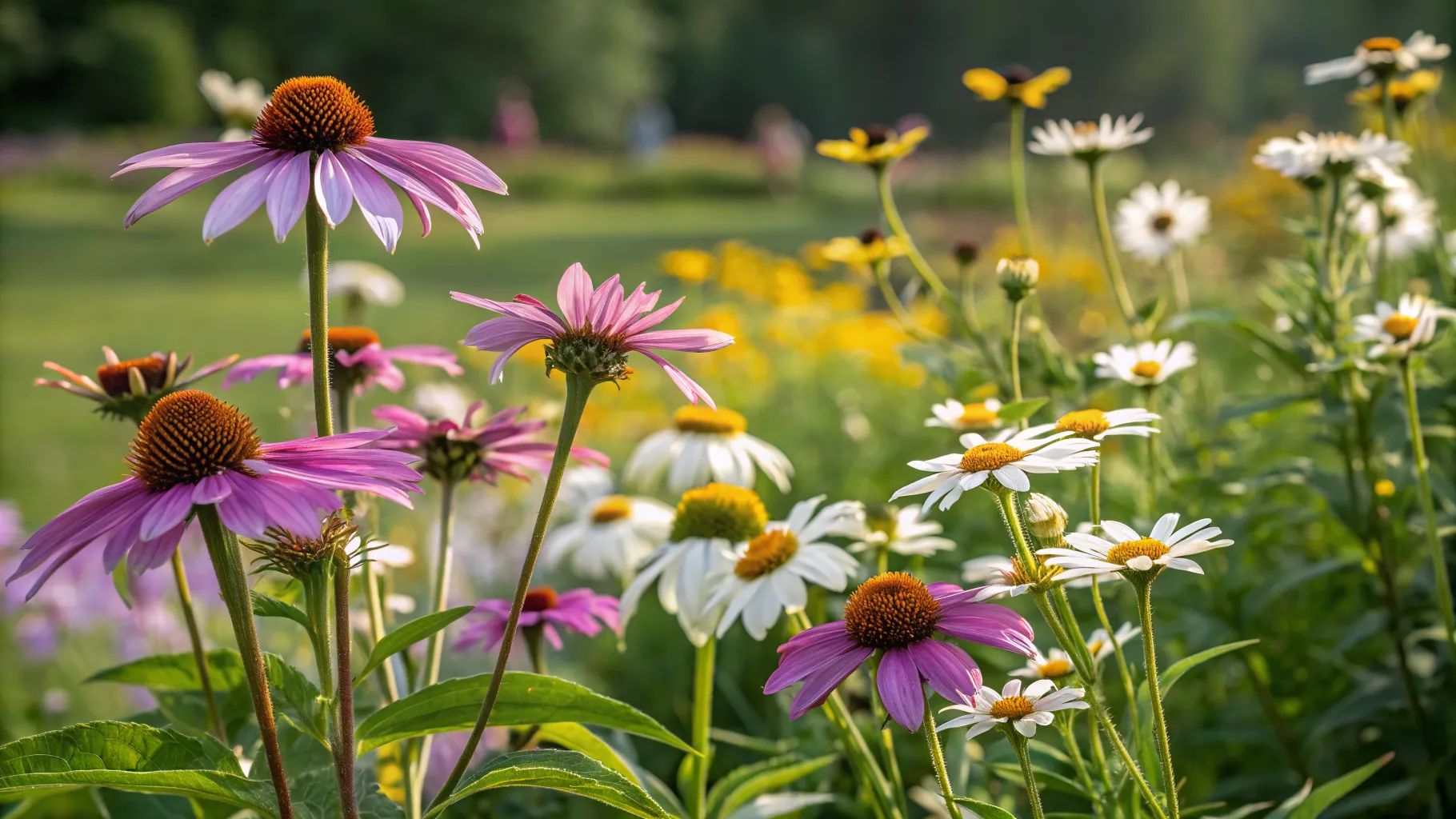
A quintessential summer flower, the Coneflower is celebrated for its daisy-like petals and prominent central cone. Not only is it one of the most dependable perennial flowers that bloom all summer, but it's also incredibly drought-tolerant and a magnet for bees and butterflies. Modern breeding has expanded the color palette from the traditional purple to include vibrant shades of red, orange, yellow, and white. They thrive in full sun and well-drained soil, making them a perfect, low-maintenance choice.
Black-Eyed Susan (Rudbeckia)
It's impossible to imagine a summer garden without the cheerful golden-yellow blooms of the Black-Eyed Susan. These prolific bloomers start their show in mid-summer and often continue until the first hard frost. As a native North American wildflower, it is exceptionally hardy and adaptable, tolerating a wide range of soil conditions. They are a fantastic example of flowers that bloom all summer and come back every year, often self-seeding to create beautiful, naturalized drifts of color.
Garden Phlox (Phlox paniculata)
For large, fragrant flower clusters that make a bold statement, Garden Phlox is an excellent choice. These tall, stately plants produce dense panicles of flowers in shades of pink, purple, red, and white from mid to late summer. They prefer full sun and moist, fertile soil. Proper air circulation is key to preventing powdery mildew, but their spectacular floral display makes them a worthwhile addition to any list of long blooming perennials.
Salvia (Salvia nemorosa)
Also known as Meadow Sage, Salvia is renowned for its striking vertical spikes of intense blue, violet, or pink flowers. It's an incredibly long-blooming plant; if you shear back the first flush of flowers after they fade, it will reward you with a second, and sometimes third, wave of color. This makes it one of the most valuable perennial garden plants for continuous blooms. It is drought-resistant once established and thrives in full sun.
Designing with Perennials for Season-Long Interest
A successful perennial garden is about more than just individual plants; it's about combining them effectively. When planning your garden, think about bloom times, heights, textures, and colors. While all the plants discussed are long blooming perennials, some start earlier and some go later. Layering these plants—placing taller varieties like Garden Phlox at the back and shorter ones like Salvia at the front—creates depth and visual appeal. Mixing textures, such as the fine, airy foliage of Russian Sage with the broad leaves of a Hosta, adds complexity and interest even when plants aren't in peak bloom. This strategic approach ensures your collection of returning garden flowers looks like a cohesive, intentionally designed space throughout the entire season.
Essential Care Tips for Your Perennial Garden
To ensure your flowers that bloom all summer and come back every year thrive, a little seasonal care goes a long way. Follow these tips to keep your garden healthy and vibrant for years to come.
- Proper Planting: Ensure you plant your perennials at the correct depth in well-amended soil. Good drainage is crucial for most of these plants to prevent root rot, especially during winter.
- Watering Wisely: While many long-blooming perennials are drought-tolerant once established, they need consistent water during their first year to develop a strong root system. Water deeply but infrequently to encourage deep root growth.
- Deadheading: Regularly removing spent flowers (a process called deadheading) tricks the plant into producing more blooms instead of setting seed. This simple task can significantly extend the flowering season for many perennial garden plants.
- Mulching: Applying a layer of organic mulch helps retain soil moisture, suppress weeds, and insulate the roots from extreme temperatures in both summer and winter.
- Fall Cleanup and Division: In late fall, after the first frost, you can cut back the dead foliage of most perennials. Every 3-5 years, divide overgrown clumps in the spring or fall to rejuvenate the plant and create new ones for other parts of your garden.
The Long-Term Benefits of a Perennial Landscape
Investing in perennial flowers that bloom all summer is a strategic move for any gardener. Beyond the obvious aesthetic appeal, these plants offer significant advantages. Economically, they are a one-time purchase that yields returns year after year, unlike annuals that must be bought and planted each season. Environmentally, established returning garden flowers develop deep root systems that help prevent soil erosion and improve soil structure. They also provide a stable, ongoing habitat and food source for essential pollinators like bees and butterflies, contributing to a healthier local ecosystem.
Frequently Asked Questions
What are the easiest perennial flowers that bloom all summer for beginners?
For beginners, some of the most foolproof choices are Black-Eyed Susans (Rudbeckia), Coneflowers (Echinacea), and Daylilies (Hemerocallis). These long blooming perennials are highly adaptable, require minimal care once established, and are very forgiving of common gardening mistakes.
How do I ensure my returning garden flowers actually come back each year?
The key is choosing plants rated for your specific hardiness zone. Beyond that, providing good drainage is critical, as many perennials will not survive winter in soggy soil. Applying a layer of mulch in the fall can also offer crucial protection for the roots against harsh winter conditions.
Can I have a perennial garden in a shady spot?
Absolutely. While many of the most famous flowers that bloom all summer and come back every year prefer sun, there are excellent options for shade. Hostas (grown for foliage), Astilbe (with feathery plumes), and Bleeding Hearts are fantastic choices for creating a lush, colorful garden in lower light conditions.
References
- Interviews with master gardeners and horticulturalists
- Publications from national botanical gardens
- University extension program gardening guides
- Books on sustainable landscape design
Authored by FreshLifeWire team