Effective Ways to Manage Bloating Naturally
Experiencing abdominal discomfort after meals is a widespread issue that prompts many to seek effective bloating relief tips. While it is a normal bodily function, excessive gas and distension can be both physically uncomfortable and frustrating to deal with on a daily basis. Fortunately, there are numerous natural approaches to bloating that focus on diet, lifestyle, and gentle remedies to restore digestive harmony.
Understanding the Common Causes of Bloating
Bloating is an uncomfortable sensation that occurs when the gastrointestinal tract fills with air or gas. It often leads to a feeling of fullness, tightness, or a visibly swollen abdomen. Identifying the root causes is the first step in effective bloating causes and management. For many individuals, everyday habits and dietary choices play a significant role in this digestive discomfort.
Common triggers include eating too quickly, consuming highly processed foods, or experiencing elevated stress levels. Certain medical conditions, food intolerances, and hormonal fluctuations can also contribute to the problem. By pinpointing the specific behaviors or foods that lead to gas accumulation, people can implement natural approaches to bloating more successfully.
Dietary Adjustments for Managing Bloating Naturally
Modifying daily food intake is a primary strategy for reducing bloating naturally. Certain foods are notorious for producing excess gas during the digestion process. Paying close attention to how the body reacts to different meals can help individuals identify which ingredients to limit or avoid entirely.
- Beans and legumes: These contain complex sugars called oligosaccharides that can be difficult to break down.
- Cruciferous vegetables: Broccoli, cabbage, and Brussels sprouts contain raffinose, a sugar that remains undigested until bacteria in the gut ferment it.
- Dairy products: Individuals with varying degrees of lactose intolerance may experience bloating after consuming milk, cheese, or ice cream.
- Carbonated beverages: Sodas and sparkling waters introduce trapped air directly into the digestive system.
The Role of Hydration in Digestive Health
Maintaining adequate hydration is essential for keeping the digestive system functioning smoothly. Water helps break down food so that the body can absorb nutrients, and it softens stool to prevent constipation. When the body is dehydrated, it tends to hold onto any available fluid, which can ironically lead to water retention and a bloated feeling.
Drinking a sufficient amount of water throughout the day encourages regular bowel movements, preventing the buildup of waste and gas in the intestines. It is generally recommended to sip water continuously rather than drinking large amounts at once. Avoiding excessively cold water during meals can also help, as room temperature water is often gentler on the digestive tract.
Incorporating Gentle Physical Activity
Physical movement is a highly effective way to stimulate the passage of gas through the digestive tract. When individuals remain sedentary for long periods, intestinal activity can slow down, leading to gas retention and discomfort. Engaging in regular, gentle exercise helps increase blood flow to the digestive organs and encourages natural muscle contractions in the gut.
Activities such as walking, cycling, or practicing yoga can offer significant bloating relief tips in real time. A brisk short walk after a heavy meal is often enough to kickstart digestion and alleviate that overly full sensation. Specific yoga poses, like the seated twist, are also known to gently massage the abdominal organs and release trapped gas.
Herbal Teas and Natural Remedies for Bloating
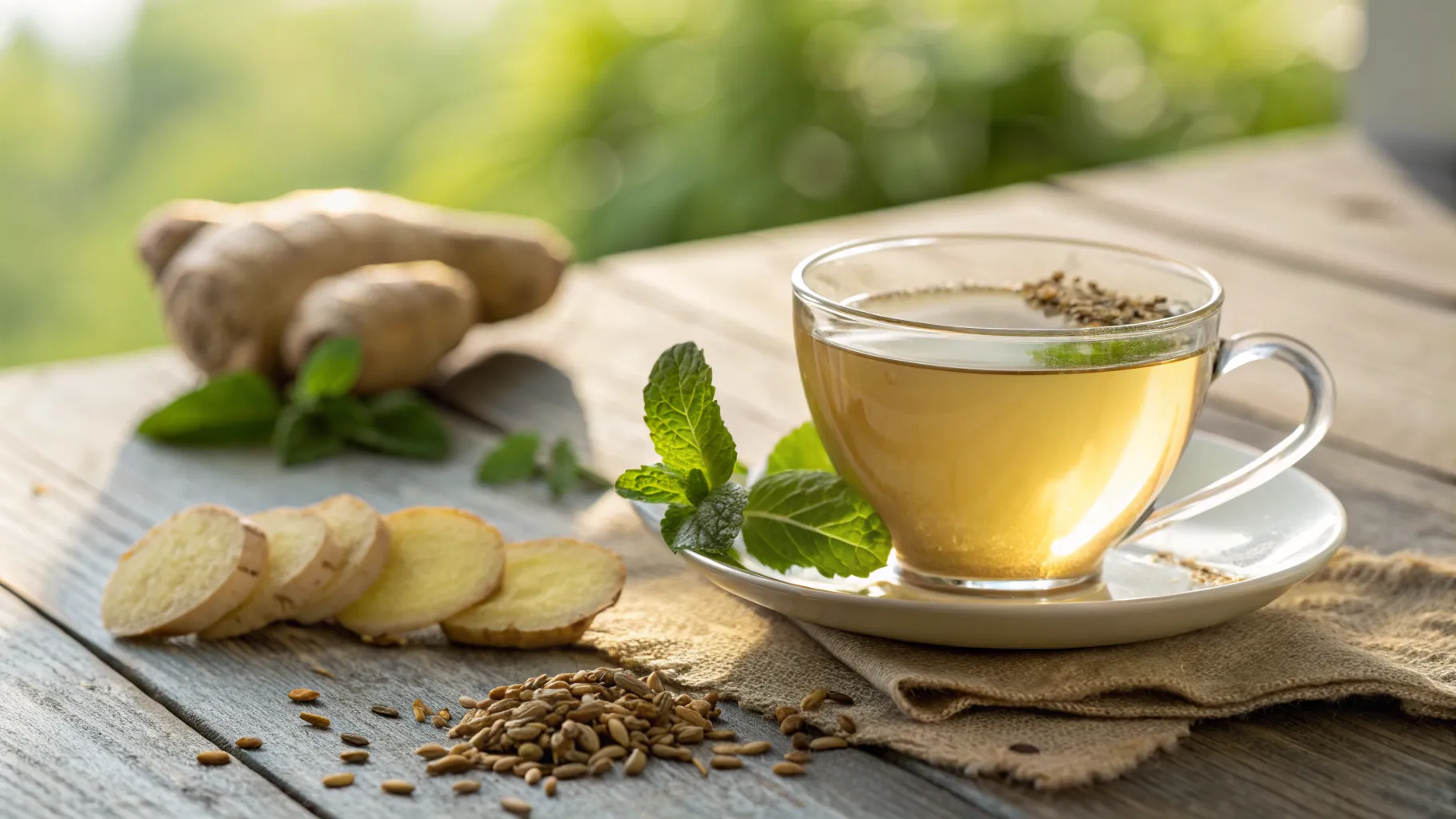
For centuries, various cultures have relied on botanical ingredients as a natural remedies for bloating guide. Herbal teas provide a soothing, warm liquid that can relax the digestive muscles and ease spasms. Incorporating these natural remedies into a daily routine is a gentle way to support overall gastrointestinal comfort.
- Peppermint tea: Contains menthol, which has antispasmodic properties that help relax the muscles of the digestive tract.
- Ginger root: Known for its ability to speed up stomach emptying and reduce nausea, making it highly effective for digestive distress.
- Chamomile: Offers mild sedative properties that can soothe the stomach and reduce stress-induced bloating.
- Fennel seeds: Chewing on fennel seeds or drinking fennel tea can help dissipate gas and reduce cramping.
Mindful Eating Practices to Reduce Air Intake
The way a person eats is often just as important as what they eat. Swallowing excess air, a condition known as aerophagia, is a leading contributor to abdominal bloating. This typically happens when people eat hastily, talk extensively while chewing, or eat while distracted by television or work.
Adopting mindful eating practices can drastically reduce the amount of air ingested during meals. Taking the time to chew food thoroughly not only breaks it down into more manageable pieces but also mixes it with saliva, beginning the digestive process in the mouth. Sitting down in a calm environment and focusing solely on the meal can help individuals manage bloating naturally while also improving their relationship with food.
When to Seek Professional Medical Advice
While occasional bloating is a normal part of the human experience, chronic or severe abdominal swelling warrants a closer look. If natural approaches to bloating do not provide relief, it may be an indication of an underlying health issue. Conditions such as irritable bowel syndrome, celiac disease, or bacterial overgrowth require proper diagnosis and targeted treatment plans.
Individuals should consult a healthcare provider if their bloating is accompanied by alarming symptoms like unexplained weight loss, severe abdominal pain, or changes in bowel habits. A medical professional can perform necessary tests to rule out serious conditions and offer personalized guidance. Seeking timely advice ensures that any potential gastrointestinal disorders are managed safely and effectively.
Authored by FreshLifeWire team