Bank-Owned Homes: What to Know Before Buying
Purchasing a home directly from a bank can seem like an excellent way to secure a property at a lower price point, but the process is notably different from traditional real estate transactions. Navigating the world of bank-owned homes requires a distinct set of expectations, a solid understanding of the market, and a cautious approach to property condition.
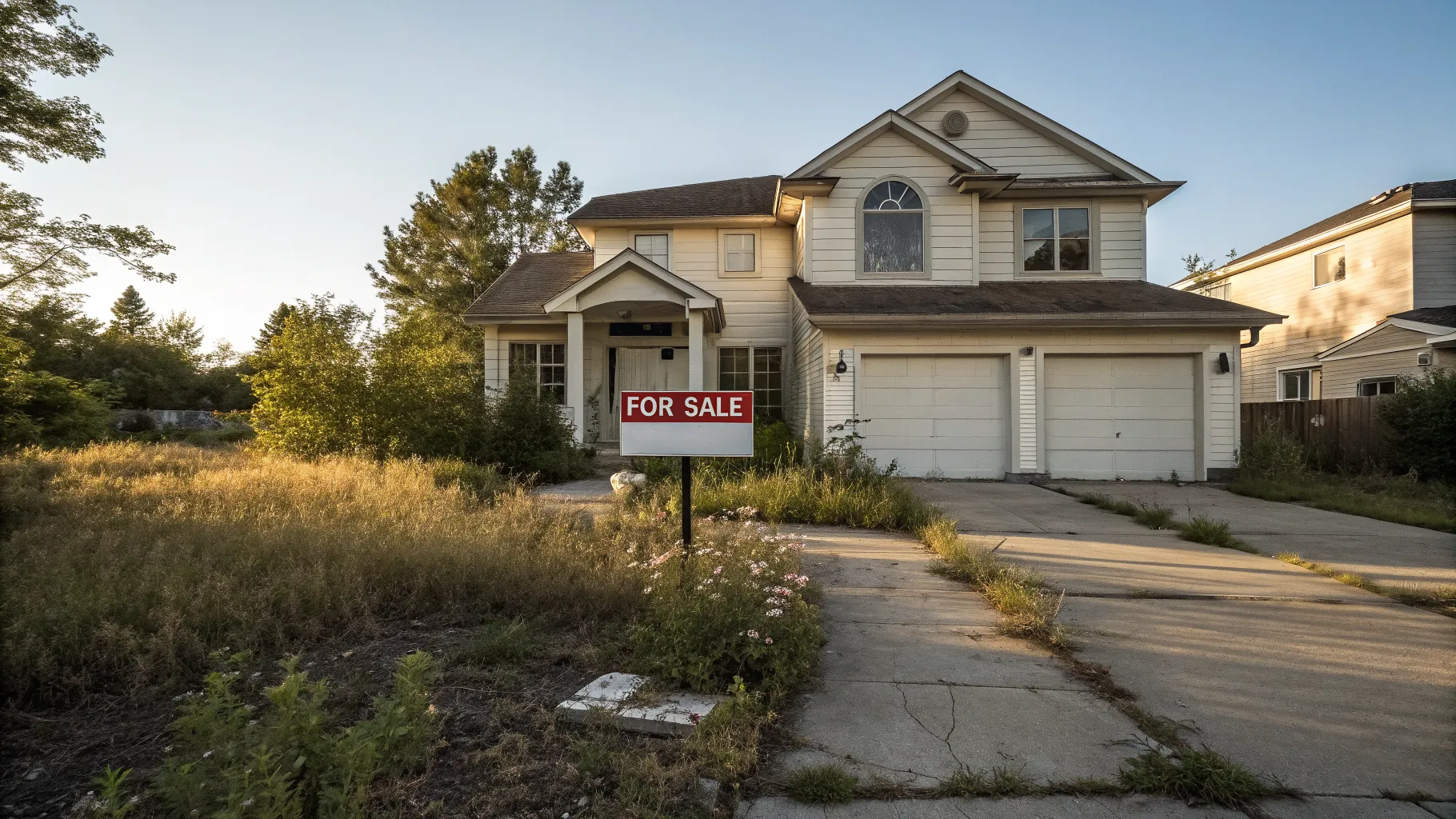
Understanding Bank Real Estate Owned Properties
When a homeowner defaults on their mortgage, the lender typically attempts to sell the property at a public foreclosure auction. If the home fails to sell at that auction, the lender takes ownership of it. At this stage, the property becomes known as Real Estate Owned, commonly referred to as an REO property.
Banks are not in the business of holding real estate, so their primary goal is to offload these assets to recoup their losses. However, this does not mean they will give the property away for a fraction of its value. Asset managers handle these portfolios and use automated valuation models to price the homes competitively based on current market data.
How to Find Bank-Owned Homes for Sale
Locating bank-owned homes for sale requires knowing exactly where to look, as they are not always heavily marketed. While many eventually make their way to standard real estate platforms, serious buyers often utilize specialized tools and a dedicated foreclosure listings guide to find inventory before it reaches the broader market.
- Multiple Listing Service (MLS): Many banks hire local real estate agents to list REO properties directly on the MLS.
- Bank and lender websites: Large financial institutions often maintain public databases of their repossessed properties.
- Government agencies: Organizations like HUD, Fannie Mae, and Freddie Mac have proprietary portals for their specific property listings.
- Public records: Checking county courthouse records can provide early indications of properties entering the REO phase.
The Financial Realities of Buying a Repossessed Home
A common misconception about buying a repossessed home is that it guarantees a massive discount. While prices can be lower than those of move-in ready homes, banks still have a fiduciary duty to their shareholders to minimize financial losses. They will typically price the home based on its current condition and the surrounding neighborhood comparables.
Financing an REO property can also present unique hurdles. Traditional lenders may refuse to finance a home that lacks basic habitability requirements, such as a working HVAC system or an intact roof. Buyers must secure robust pre-approval letters and sometimes seek out specialized rehabilitation loans if the property requires extensive structural work.
The As-Is Condition and Inspection Process
Perhaps the most critical factor to remember is that bank-owned homes are almost exclusively sold strictly as-is. The bank has never lived in the property and will not provide a seller disclosure outlining past leaks, foundation issues, or electrical problems. Furthermore, the bank will not negotiate repairs or provide credits to fix issues discovered before closing.
Because of this, an independent home inspection is absolutely vital. Buyers should hire certified inspectors to check every structural and mechanical component of the house. Discovering a major defect during the inspection period allows a buyer to walk away with their earnest money intact, provided the purchase contract includes the appropriate inspection contingencies.
Navigating the Complex Purchase Timeline
Unlike a traditional home purchase where you negotiate with an individual seller, buying an REO property involves dealing with a corporate entity. The asset manager reviewing your offer is likely handling dozens of other properties simultaneously. This corporate structure often leads to significant delays in communication and decision-making.
Buyers should expect to wait several days or even weeks just to receive a response to an initial offer. If there are multiple offers, the bank may issue a request for highest and best bids, further extending the timeline. Patience is a fundamental requirement, as closing dates frequently shift due to internal bank approvals and complex title clearances.
Essential Foreclosure Home Buying Tips
Entering the REO market requires careful preparation and the right team of professionals. Treating an REO purchase like a standard transaction often leads to frustration, unexpected costs, or missed opportunities. Relying on an experienced REO property guide or a real estate agent who specializes in bank-owned properties can make a substantial difference in navigating the red tape.
- Conduct a thorough title search: Ensure there are no outstanding liens or back taxes attached to the property that the bank has not cleared.
- Include protective contingencies: Always build appraisal and inspection contingencies into your offer to protect your deposit.
- Budget for immediate repairs: Assume that the property will need immediate maintenance, from lock changes to deep cleaning and landscaping.
- Be prepared with proof of funds: Banks require solid proof that you have the cash or approved financing ready to close the deal.
Authored by FreshLifeWire team