A Senior's Guide to European Cruises: What to Know Before You Go
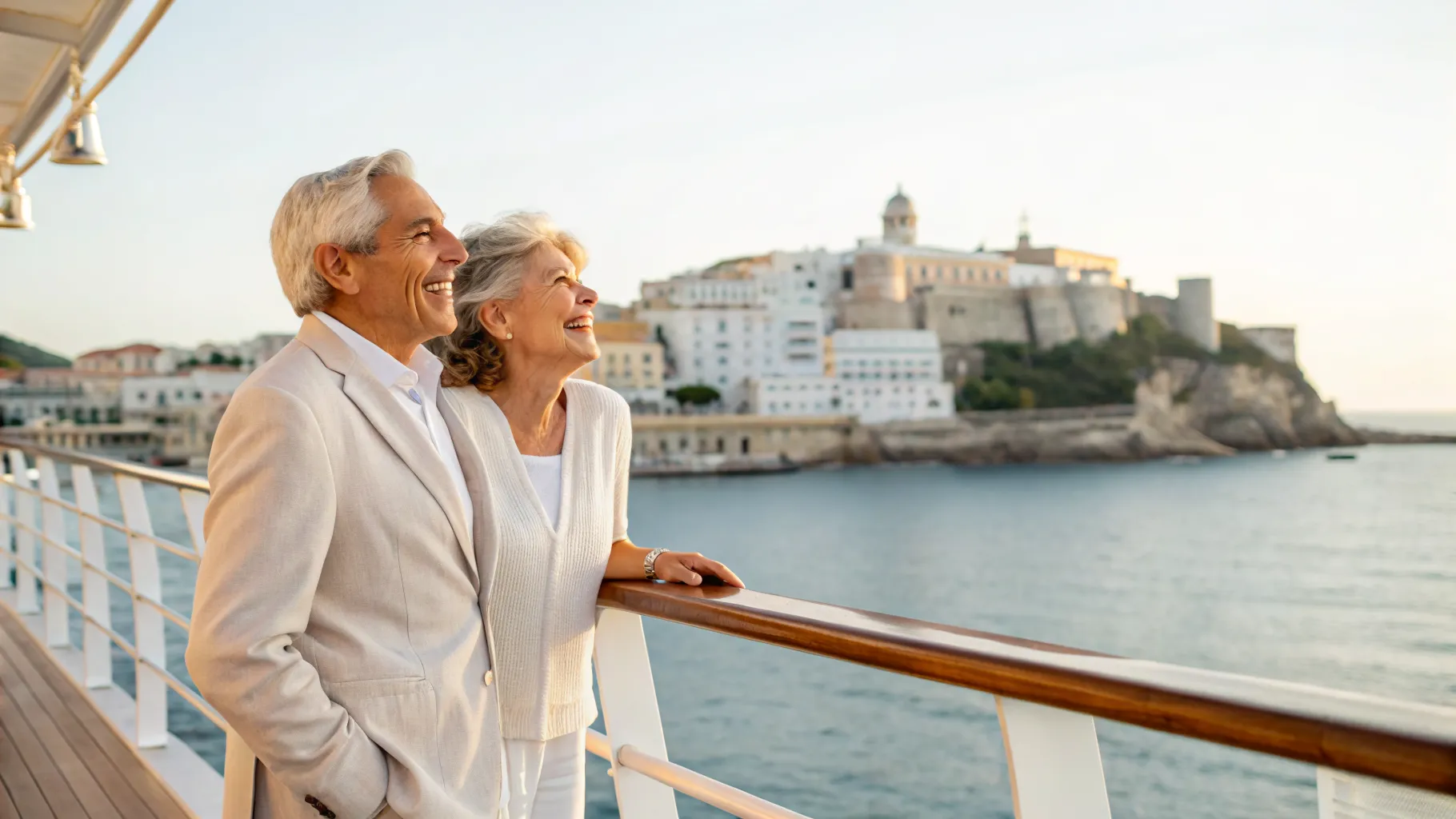
A European cruise offers an incredible opportunity for senior travelers to experience a rich tapestry of cultures, histories, and landscapes with unparalleled convenience. Unpacking just once, you can wake up to a new city or country, all while enjoying comfortable accommodations and a wide array of onboard amenities. This guide explores what to consider when planning your European cruise adventure.
Why Choose a European Cruise?
The primary appeal of a cruise for many seniors is the ease of travel. It eliminates the stress of coordinating flights, trains, and hotels between multiple destinations. Everything is handled for you, from transportation to meals and entertainment, allowing you to focus on enjoying the journey. This model of travel is particularly beneficial for those with mobility concerns, as it minimizes the physical strain of hauling luggage through airports and train stations.
Beyond convenience, cruises foster a wonderful social environment. You have the chance to meet like-minded travelers from around the world during dinners, onboard activities, or shore excursions. Cruise ships are floating resorts with amenities designed to cater to every interest, including swimming pools, spas, theaters, libraries, and lecture halls. This variety ensures there is always something to do, whether you prefer a day of relaxation at sea or an engaging educational talk.
Popular European Cruise Itineraries
Europe offers a diverse range of cruise itineraries, each with its own unique charm. Mediterranean cruises are a classic choice, often split into Western and Eastern routes. A Western Mediterranean cruise might take you to the shores of Italy, France, and Spain, with stops in iconic cities like Rome, Barcelona, and Marseille. An Eastern Mediterranean journey typically explores the Greek Isles, the stunning coastline of Croatia, and historic ports in Turkey.
For those drawn to dramatic landscapes and cooler climates, a Northern Europe cruise is an excellent option. These itineraries often explore the majestic Norwegian Fjords, with their towering cliffs and cascading waterfalls. Another popular route is a Baltic Sea cruise, which includes fascinating capitals such as Stockholm, Helsinki, Copenhagen, and Tallinn. A different style of cruising altogether is a European river cruise along waterways like the Danube or the Rhine, offering a more intimate experience with stops in smaller towns and villages inaccessible to large ocean liners.
Choosing the Right Cruise Line
Not all cruise lines are created equal, and selecting one that aligns with your travel style is key to a successful trip. Some lines are known for their luxurious, all-inclusive experiences with smaller ships and personalized service. Others operate massive vessels that feel like floating cities, packed with endless entertainment options. It is important to research the 'personality' of each cruise line.
Many cruise lines are particularly well-suited for mature travelers. These lines often emphasize enrichment programs, such as guest lectures by historians or naturalists, cooking demonstrations, and art classes. The evening entertainment may lean toward classical concerts and ballroom dancing rather than loud nightclubs. Reading reviews and checking the typical age demographic of a cruise line can provide valuable insight into whether it will be a good fit for your preferences.
Accessibility and Onboard Amenities
For seniors with mobility challenges, accessibility is a critical factor. Modern cruise ships are generally well-equipped with elevators, ramps, and accessible cabins. When booking, it is essential to communicate your specific needs to the cruise line to ensure they can accommodate you. This includes requesting an accessible stateroom and inquiring about the physical demands of shore excursions.
Beyond physical accessibility, look into the other amenities that can enhance your comfort and safety. Most ships have a well-equipped medical center with a doctor and nurses on call. If you have dietary restrictions, inform the cruise line in advance so the culinary team can prepare. Other desirable amenities for seniors might include a full-service spa, fitness centers with low-impact classes like yoga or water aerobics, and quiet lounges for reading and relaxation.
What to Consider Before Booking
The timing of your cruise can significantly impact your experience. The peak summer months in Europe are often hot and crowded. Consider traveling during the shoulder seasons of spring (April to June) and fall (September to October). During these times, the weather is typically pleasant, the crowds are smaller, and you may find more attractive pricing.
Before you commit, carefully review the details of the cruise package. Pay close attention to the following points:
- Trip Duration: Itineraries can range from a week to over a month. Choose a length that suits your stamina and budget.
- Itinerary Pacing: Some cruises are port-intensive with a new stop each day, while others include more 'sea days' for relaxing onboard.
- What’s Included: Check if the price covers flights, gratuities, alcoholic beverages, and shore excursions, as these can add up.
- Travel Insurance: Comprehensive travel insurance that includes medical coverage is highly recommended for international travel.
Packing Tips for a European Cruise
Packing smartly can make your trip much more comfortable. The key is to pack layers, as the weather in Europe can change quickly, especially on Northern Europe or transatlantic itineraries. A waterproof jacket, a sweater or fleece, and comfortable walking shoes are non-negotiable items for exploring ports of call, many of which have cobblestone streets.
Most cruise lines have dress codes for their dining rooms, particularly in the evenings. While daytime wear is casual, you will likely need to pack some 'smart casual' or more formal outfits for dinner. Be sure to check your cruise line's specific guidelines. Don't forget to pack all necessary medications in your carry-on luggage, along with power adapters for European outlets and copies of important travel documents.
Authored by FreshLifeWire team