A Guide to 12-Day Scandinavia Cruises: What to Expect
A 12-day cruise through Scandinavia and Northern Europe provides a wonderful opportunity to experience a diverse range of cultures, historical sites, and breathtaking scenery in a relatively short amount of time. This extended itinerary allows for deeper exploration of key cities and often includes more sea days to relax and enjoy the ship's amenities. It's a popular choice for travelers who want a comprehensive yet manageable tour of this captivating region.
What a 12-Day Itinerary Typically Includes
A 12-day journey offers ample time to visit several iconic destinations across the Baltic Sea and beyond. Most itineraries start and end in major port cities like Copenhagen, Stockholm, or Amsterdam. From there, you can expect to visit a variety of ports that showcase the best of the region's art, history, and natural beauty.
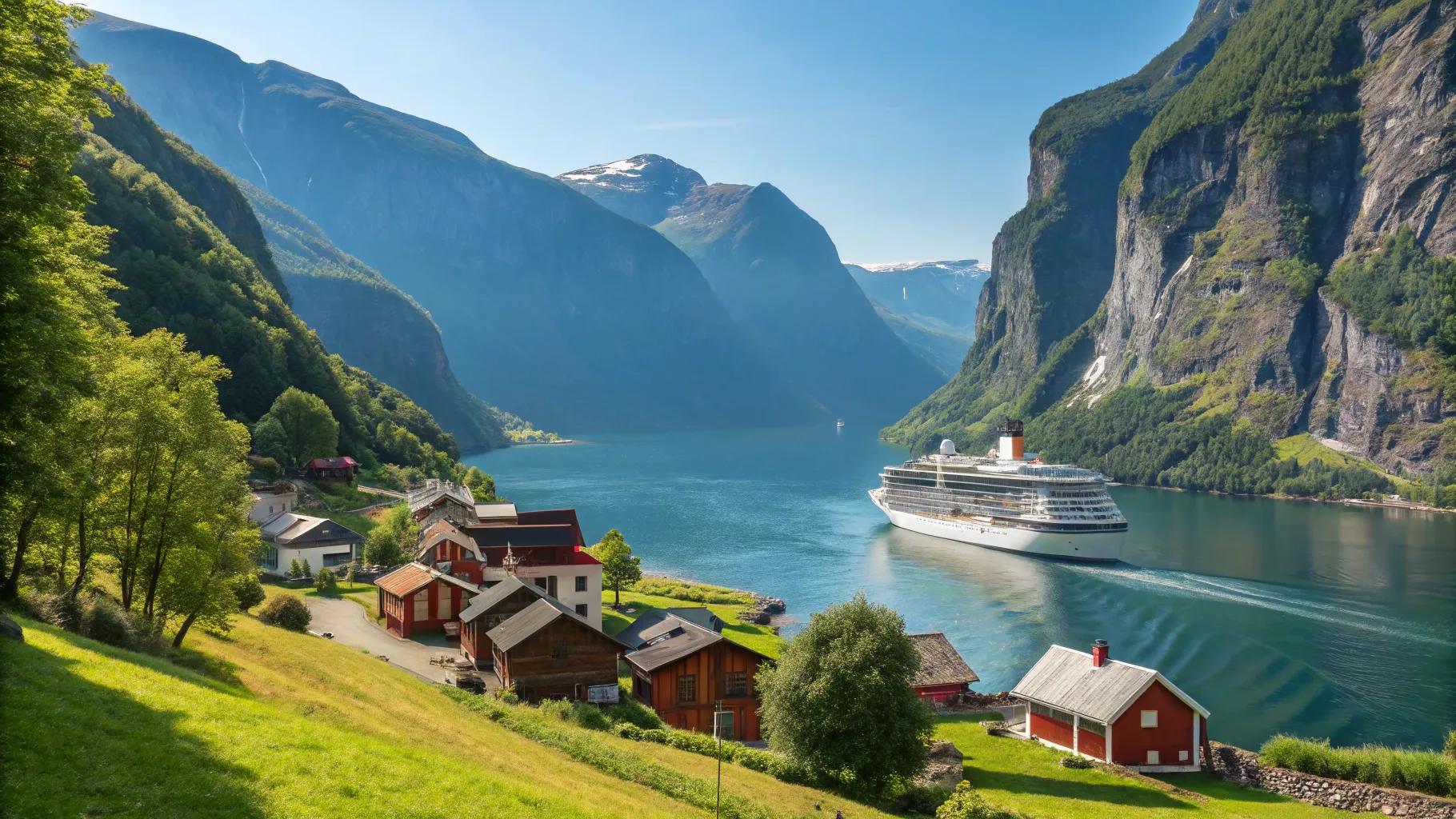
Common stops often include the stylish capital of Sweden, Stockholm, spread across 14 islands, and the charming, design-forward city of Helsinki, Finland. Many itineraries also venture to Tallinn, Estonia, with its perfectly preserved medieval Old Town. Depending on the specific route, you might also find ports in Germany, such as Warnemünde for a trip to Berlin, or even explore the dramatic fjords of Norway. It's important to review specific itineraries, as offerings can vary significantly between cruise lines.
Best Time of Year to Cruise Scandinavia
The peak season for Scandinavian cruises is during the summer months, from June to August. This period offers the best weather, with long daylight hours and the famous 'midnight sun' in the more northern latitudes. Temperatures are generally mild and pleasant, making it ideal for sightseeing and outdoor activities. However, this is also the busiest and most expensive time to travel.
For those looking to avoid the largest crowds, the shoulder seasons of May and September are excellent alternatives. In May, you can witness the region coming alive with spring blossoms, while September offers the chance to see the first hints of autumn foliage. While the weather can be more unpredictable, you may benefit from lower prices and a more relaxed atmosphere in popular ports.
Onboard Experience and Ship Amenities
The type of cruise ship sailing in Northern Europe can vary greatly, from massive, resort-style vessels packed with activities to smaller, more intimate luxury ships. Larger ships often appeal to families and travelers seeking a wide array of entertainment, including Broadway-style shows, multiple swimming pools, and extensive kids' clubs. These ships provide a vibrant, bustling atmosphere.
Smaller and mid-sized ships, on the other hand, often focus on a more destination-intensive experience. They may offer more educational opportunities, such as lectures from historians or naturalists, and can sometimes access smaller, less-common ports. Dining on any ship is a highlight, with options ranging from casual buffets to elegant main dining rooms and specialty restaurants that may feature local Scandinavian cuisine.
Shore Excursions and Activities
Shore excursions are a key part of any cruise, allowing you to explore each destination in depth. In Scandinavian capitals, popular tours often include guided walks through historic city centers, visits to grand palaces and museums, and boat tours along picturesque canals. For more active travelers, options might include kayaking in the Stockholm archipelago or biking through Copenhagen.
You typically have the choice of booking excursions directly through the cruise line or arranging your own activities independently. Booking with the cruise line offers convenience and a guarantee that the ship will wait for you if the tour runs late. Independent exploring provides more flexibility and can sometimes be more cost-effective, but it requires more planning and a close eye on the time to ensure you return to the ship before departure.
Packing Essentials for a Northern Europe Cruise
Packing for a Scandinavian cruise requires a bit of strategy, as the weather can change quickly, even in the summer. The key is to bring layers. A mix of short and long-sleeved shirts, sweaters or fleece jackets, and a waterproof and windproof outer layer will prepare you for almost any condition.
Beyond clothing, here are a few essentials to consider:
- Comfortable Walking Shoes: You'll likely be doing a lot of walking on cobblestone streets, so supportive footwear is a must.
- Formal or Smart Casual Wear: Most cruise lines have 'evening chic' or formal nights, so pack one or two nicer outfits for these occasions.
- A Daypack: A small backpack is useful for carrying essentials like a water bottle, camera, and rain jacket during shore excursions.
- Sun Protection: Despite the northern latitude, the sun can be strong, especially with long daylight hours. Pack sunglasses, a hat, and sunscreen.
- Binoculars: These are great for spotting wildlife and getting a closer look at the stunning scenery, particularly if your itinerary includes the Norwegian fjords.
Understanding Cruise Costs and Inclusions
When budgeting for a 12-day Scandinavian cruise, it's important to understand what your initial fare covers. Typically, the price includes your cabin accommodation, most meals in the main dining room and buffet, select beverages like water and coffee, and access to most onboard entertainment and facilities like pools and fitness centers.
However, there are several additional costs to anticipate. These almost always include shore excursions, alcoholic beverages and specialty coffees, meals at alternative or specialty restaurants, and gratuities for the crew. Airfare to and from the port of embarkation is also a separate expense. Carefully reviewing what is included with your specific cruise line will help you create a realistic budget and avoid any surprises.
Authored by FreshLifeWire team