A Guide to 10-Day Iceland and Norway Cruises
A 10-day cruise combining the volcanic wonders of Iceland with the breathtaking fjords of Norway offers an unforgettable journey through some of the world's most stunning natural scenery. These voyages provide a comfortable and convenient way to explore remote coastlines, charming villages, and vibrant cities, all while enjoying the amenities of a modern cruise ship. From geysers and glaciers to towering cliffs and serene waterways, this itinerary is packed with dramatic contrasts and memorable experiences.
What a Typical 10-Day Itinerary Looks Like
A 10-day Iceland and Norway cruise typically sails during the late spring and summer months to take advantage of favorable weather and long daylight hours. Itineraries often start and end in major European ports like Copenhagen, Amsterdam, or Southampton. The route usually involves a few days at sea as the ship crosses the North Atlantic, followed by several port days split between the two countries.
A common route might include two or three stops in Iceland, such as Reykjavik and Akureyri, allowing passengers to explore the island's unique geological features. The ship then sails towards Norway, where it might visit cities like Bergen or Stavanger and dedicate a full day to cruising through one of the iconic fjords, such as Geirangerfjord or Sognefjord. The balance of sea days and port calls is designed to showcase the best of both destinations within the 10-day timeframe.
Exploring the Land of Fire and Ice: Iceland
Icelandic ports of call offer access to some of the most unique landscapes on Earth. From the capital, Reykjavik, travelers can easily embark on excursions to the famous Golden Circle. This popular route includes Thingvellir National Park, the powerful Gullfoss waterfall, and the Geysir geothermal area, where the Strokkur geyser erupts frequently. Other popular activities include relaxing in the geothermal waters of the Blue Lagoon or going on a whale watching tour from the harbor.
If your cruise stops in a northern port like Akureyri or Isafjordur, you can explore different facets of the country. These areas provide access to the dramatic landscapes of the Westfjords, the volcanic Lake Myvatn region, and stunning waterfalls like Godafoss. Iceland is a paradise for nature lovers, offering opportunities for glacier hiking, bird watching (especially for puffins in the summer), and exploring lava fields.
Navigating Norway's Majestic Fjords
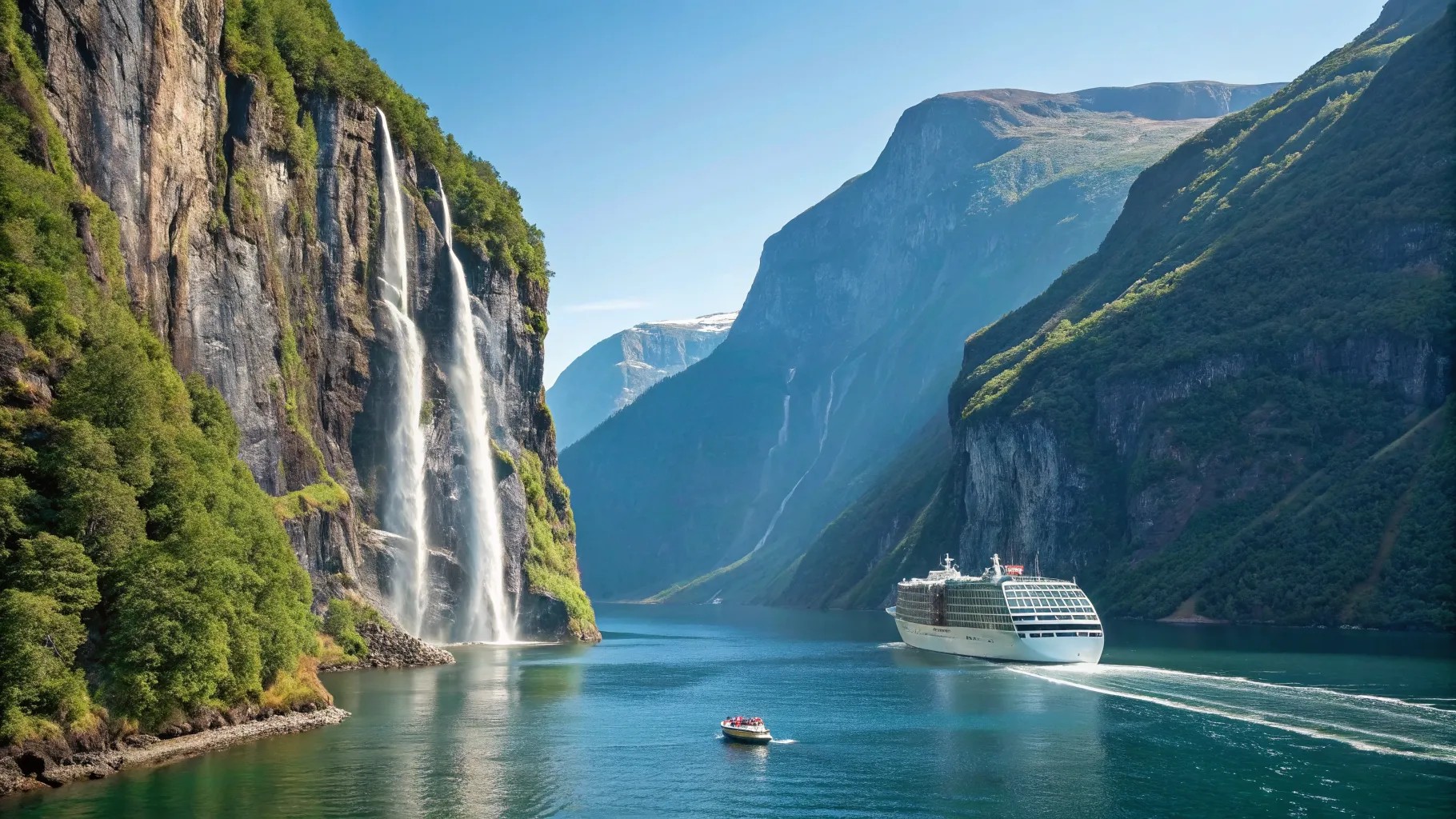
The Norwegian portion of the cruise is often a highlight, focusing on the country's world-famous fjords. These deep, narrow inlets are surrounded by towering cliffs, cascading waterfalls, and picturesque villages. A day spent scenic cruising through a fjord like Geirangerfjord, a UNESCO World Heritage site, is a truly memorable experience. Passengers can watch from the ship's deck as it glides past famous sights like the Seven Sisters and Suitor waterfalls.
Port cities in Norway serve as gateways to more adventures. In Bergen, you can explore the historic Bryggen wharf, another UNESCO site, and take a funicular up Mount Floyen for panoramic views. Stavanger is the starting point for one of Norway's most famous hikes to Preikestolen (Pulpit Rock), a steep cliff with a flat top offering incredible views of the Lysefjord below. Alesund is known for its beautiful Art Nouveau architecture, rebuilt after a major fire in 1904.
Life Onboard the Cruise Ship
Between exciting shore excursions, life onboard the cruise ship offers a wide range of activities and amenities. Most ships sailing this route are well-equipped with multiple dining options, from casual buffets to more formal specialty restaurants. Entertainment can include theater shows, live music, movie screenings, and educational lectures about the region's geology, history, and wildlife. These talks are often given by naturalists or historians and can greatly enrich your understanding of the destinations.
To make the most of the stunning scenery, many passengers opt for cabins with private balconies. However, ships also have ample public deck space and observation lounges with large windows, ensuring everyone can enjoy the views. Wellness facilities such as spas, fitness centers, and swimming pools provide opportunities for relaxation and exercise during days at sea.
The Best Time of Year for Your Cruise
The vast majority of Iceland and Norway cruises operate between May and September. The peak season is from June to August, when you can experience the best weather and the phenomenon of the Midnight Sun, with nearly 24 hours of daylight. This is the ideal time for hiking and other outdoor activities, and all attractions and roads are typically open. However, this is also the most popular and expensive time to travel.
The shoulder months of May and September can be an excellent alternative. While the weather may be cooler and more unpredictable, you will encounter fewer crowds and may find more attractive pricing. In May, you can witness the landscape coming to life with spring blossoms and melting snow, while September offers a chance to see the first hints of autumn colors. It is important to note that Northern Lights viewing is generally not possible during these months due to the bright skies.
How to Pack and Prepare for Your Trip
Packing for a cruise to Iceland and Norway requires careful planning due to the variable weather, which can change quickly even in summer. The key is to bring layers that you can add or remove as needed. A waterproof and windproof jacket is essential for staying comfortable during outdoor excursions and while on the ship's deck.
Your packing list should be built around a layered system and include practical items for both onboard and onshore activities. Consider bringing the following essentials:
- A waterproof outer shell jacket and pants.
- Warm mid-layers like fleece or wool sweaters.
- Thermal base layers for colder days or glacier excursions.
- Sturdy, waterproof walking or hiking shoes with good grip.
- Smart casual outfits for dinners onboard the ship.
- Accessories like a warm hat, gloves, and a scarf.
- Binoculars for spotting wildlife and viewing distant scenery.
- A reusable water bottle to stay hydrated.
Authored by FreshLifeWire team