A Comprehensive Guide to Purchasing Used Industrial Machinery
Investing in industrial machinery is a significant decision for any business, and opting for used equipment can often present a cost-effective alternative to purchasing new. However, navigating the used machinery market requires careful consideration and a thorough understanding of the factors that contribute to a successful acquisition. This guide aims to equip you with the knowledge needed to make informed decisions when sourcing pre-owned industrial assets, ensuring you acquire equipment that meets your operational demands and budget.
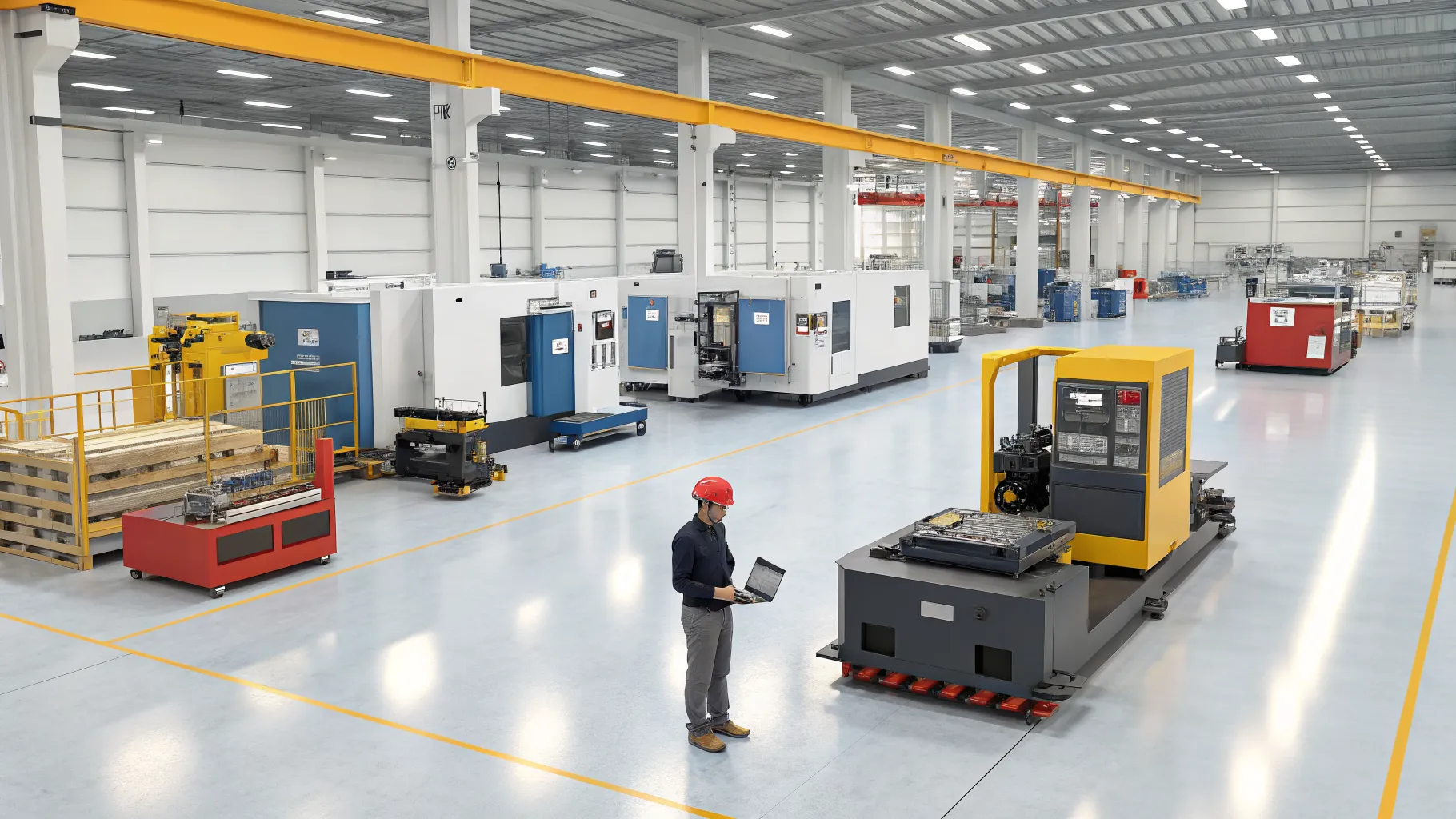
The Strategic Advantages of Used Industrial Machinery
Choosing used industrial machinery often comes with several compelling benefits that can significantly impact a company's bottom line. One of the most immediate advantages is the substantial cost savings compared to buying new equipment. These savings free up capital that can be allocated to other critical areas of the business, such as research and development, marketing, or staffing.
Beyond cost, used machinery can offer quicker availability. New equipment sometimes involves long lead times due to manufacturing and shipping schedules. Pre-owned machines, however, are often ready for immediate deployment, allowing businesses to scale operations or replace critical assets without extended downtime. Furthermore, much of the depreciation associated with new equipment has already occurred, meaning a used machine often retains its value better over time.
Reliable Sources for Pre-Owned Equipment
Finding the right used industrial machinery involves exploring various channels, each with its own set of advantages. Reputable dealers specializing in used equipment often provide a curated selection, sometimes offering warranties or reconditioned machines, adding a layer of trust to the purchase.
Online marketplaces and auction sites have also become popular platforms, offering a vast array of machinery from around the globe. While these can provide competitive pricing, they often require more due diligence from the buyer. Additionally, direct sales from businesses upgrading their equipment or liquidating assets can be a source of well-maintained machines, though these opportunities may require more proactive searching.
- Specialized Used Equipment Dealers: Often provide reconditioned machines, inspections, and sometimes warranties.
- Online Marketplaces: Websites dedicated to industrial equipment sales, offering broad selection and competitive prices.
- Industrial Auction Houses: Great for finding equipment at competitive bids, but require quick decision-making and 'as-is' purchases.
- Business Liquidations: Opportunities to buy well-maintained equipment directly from companies closing or upgrading.
- Direct from Manufacturers: Some manufacturers offer certified pre-owned programs for their own equipment.
Key Factors for Thorough Machine Inspection
Before committing to a purchase, a meticulous inspection of the used industrial machinery is absolutely crucial. This process should go beyond a superficial visual check, delving into the mechanical, electrical, and structural integrity of the equipment. Look for signs of excessive wear, corrosion, or poorly executed repairs that could indicate past neglect or impending issues.
Engines, motors, hydraulic systems, and control panels are often the heart of industrial machines and require particular attention. Ensure that all moving parts operate smoothly, check for leaks, and test electrical components to confirm functionality. If possible, request to see the machine operating under conditions similar to its intended use, as this can reveal performance issues not apparent during a static inspection. Bringing a qualified technician for this inspection is highly recommended.
Understanding the Machine's History and Documentation
The operational history of a piece of used industrial machinery can reveal much about its current condition and potential lifespan. Requesting detailed service records, maintenance logs, and any documentation of past repairs is a critical step. These records provide insight into how well the machine has been cared for and if it has undergone any significant overhauls.
Beyond maintenance, inquire about the machine's previous applications and operating environment. Equipment used in harsh conditions or for heavy-duty, continuous operation might have more wear than one used intermittently. Additionally, verify any compliance certifications, safety audits, or regulatory documents, especially for machinery that falls under specific industry standards or governmental regulations.
Navigating Different Categories of Industrial Machinery
The term 'industrial machinery' covers an incredibly broad spectrum of equipment, each category having its own unique considerations when buying used. For manufacturing, you might be looking at CNC machines, presses, or assembly line equipment, where precision and automation are paramount. In construction, earth-moving equipment, cranes, and heavy-duty vehicles require robust frames and powerful engines.
Material handling machinery, such as forklifts, conveyors, and automated guided vehicles (AGVs), demands reliable lifting mechanisms and operational safety features. Understanding the specific needs and common failure points for the type of machinery you require will help you focus your inspection and inquiries, ensuring the equipment is fit for your specific purpose and industry standards.
The Purchasing Process and Logistics
Once you have identified suitable machinery, the purchasing process involves several steps, from negotiation to final delivery. Begin by negotiating the price, keeping in mind any potential costs for repairs or transport. It is advisable to have a clear understanding of the 'as-is' condition versus any warranties or guarantees offered by the seller.
Payment terms and methods should be established upfront. After the sale, arranging the logistics of transporting large and often heavy industrial machinery is a crucial phase. This typically involves specialized shipping companies with experience in handling such equipment. Additionally, plan for the installation and commissioning of the machine at your facility, which may require professional services to ensure it is set up correctly and safely.
Ensuring Longevity and Post-Purchase Care
Acquiring used industrial machinery is not the final step; ensuring its long-term performance and reliability requires ongoing commitment. Establishing a robust maintenance schedule is paramount. This includes regular inspections, lubrication, filter changes, and preventative repairs based on manufacturer recommendations or the machine's operational history.
Having access to spare parts is another critical aspect. For older or less common models, sourcing parts might be challenging, so it is wise to research availability before purchasing. Furthermore, invest in proper training for your operators and maintenance staff. Well-trained personnel can significantly extend the life of the machinery, operate it safely, and identify potential issues before they lead to costly breakdowns. By integrating these practices, used machinery can serve your operations effectively for many years.
Authored by FreshLifeWire team