A Comprehensive Guide to a 7-Day All-Inclusive Vacation Package to Italy
Planning an Italy vacation package for seven days requires balancing the desire to see historical landmarks with the logistics of traveling between distinct regions. For many travelers, an all-inclusive or fully guided approach removes the stress of navigating foreign train stations, booking multiple hotels, and securing tickets to high-demand attractions. A structured one-week itinerary allows visitors to immerse themselves in Italian culture, cuisine, and history while leaving the daily planning to experienced professionals.
Understanding What All-Inclusive Means in Europe
When looking into an all-inclusive Italy trip, it is important to adjust expectations from the traditional beach resort model. In the Caribbean or Mexico, all-inclusive usually implies unlimited food and beverages at a single, stationary resort. In Italy, the concept is generally applied to multi-stop tour packages where the upfront cost covers lodging, ground transportation, daily breakfasts, and a selection of lunches or dinners.
These packages often bundle entrance fees for major historical sites, the services of a dedicated tour director, and local guides for specific cities. Alcoholic beverages are typically not unlimited, though a glass of wine might be included with scheduled group dinners. Understanding this structure helps travelers gauge the true value of their booking and plan for out-of-pocket expenses during free time.
Popular Italy Itinerary Options for a Week
Seven days is just enough time to experience a carefully curated slice of the country. Because travel time eats into sightseeing, most week-long itineraries focus on a specific region or a fast-paced highlight reel of the major cities. The classic route, often referred to as the Italian triad, focuses on Rome, Florence, and Venice. This path highlights ancient ruins, Renaissance art, and famous canals.
Other popular itinerary routes for a seven-day window include:
- The Amalfi Coast and southern Italy, featuring Naples, Pompeii, and Sorrento.
- Northern lakes and fashion hubs, centering on Milan, Lake Como, and Verona.
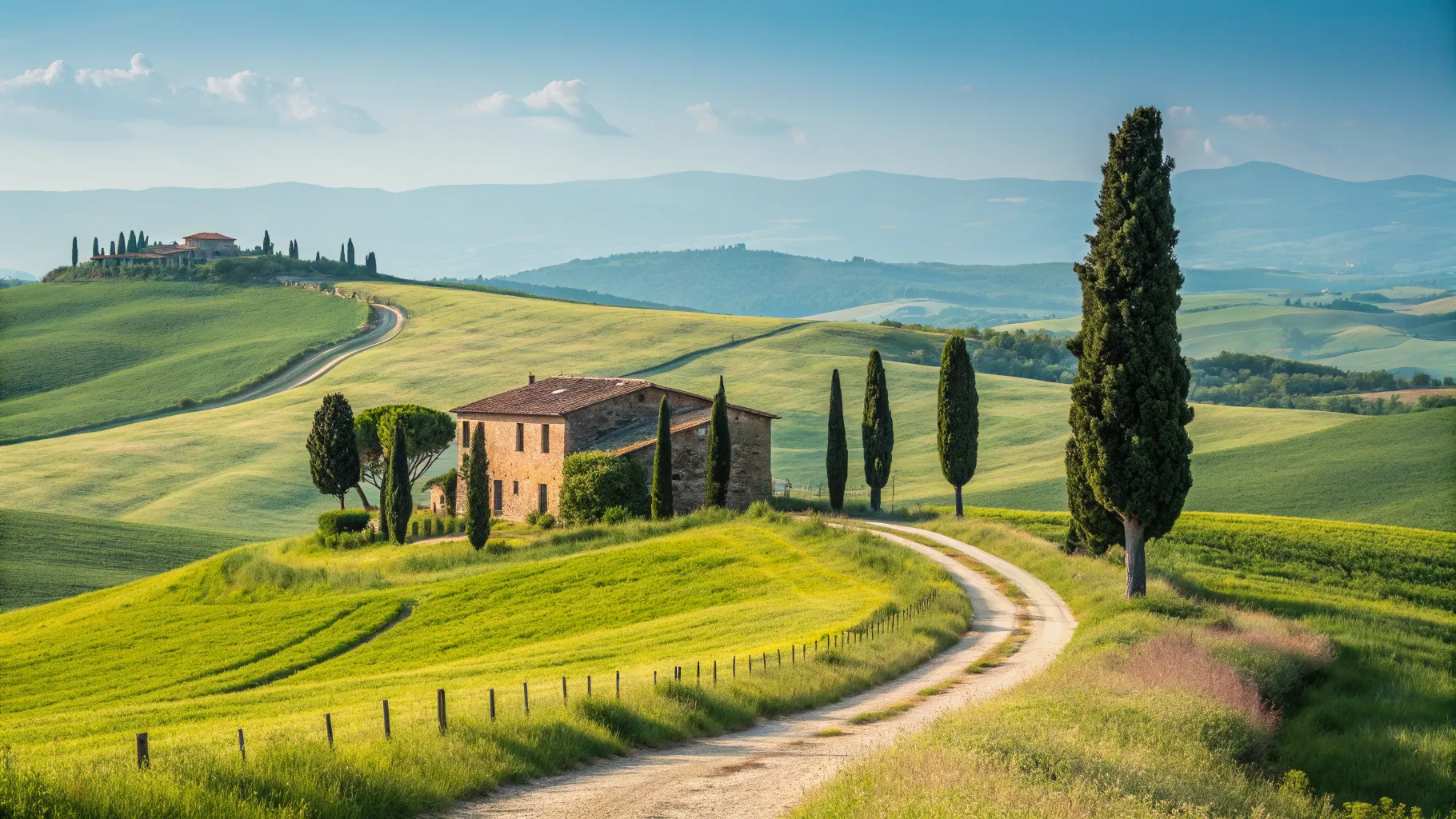
- Tuscan countryside explorations, utilizing Florence as a base to visit Siena, Pisa, and local vineyards.
Evaluating All Inclusive Italy Trip Pricing
The cost of a seven-day guided tour varies significantly based on the season, the level of accommodation, and the group size. Budget-friendly tours might utilize large motorcoaches and hotels located outside the city center to keep costs down. These options are great for travelers who prioritize seeing the sights over luxury accommodations.
On the other end of the spectrum, premium and luxury packages feature smaller group sizes, centrally located boutique hotels, and exclusive experiences like private after-hours museum tours. Travelers traveling during the peak summer months of June through August will encounter the highest pricing, whereas those willing to travel in the shoulder seasons of spring and autumn can often find more competitive rates.
Navigating an Italy Package With Flights
Many tour operators offer the option to bundle international airfare into the overall vacation package. Booking an Italy package with flights can simplify the planning process, as the company coordinates arrival times with airport transfers to the first hotel. This coordination ensures that travelers are met at the arrivals gate, minimizing the stress of finding a taxi or navigating a new transit system while jetlagged.
However, travelers should carefully review the flight itineraries provided. Sometimes package flights involve long layovers or less convenient routing compared to booking flights independently. It is always wise to compare the bundled price against independent airfare to determine if the convenience is worth any potential premium or scheduling trade-offs.
Choosing Guided Italy Vacation Deals Wisely
When comparing guided Italy vacation deals, it is essential to read the daily schedule closely. Some tours are incredibly fast-paced, aiming to pack in as many monuments as possible from dawn until dusk. While this maximizes sightseeing, it leaves very little downtime for personal exploration or relaxing at a local cafe.
Conversely, more leisurely paced tours might spend three nights in one city and four in another, reducing the amount of packing and unpacking required. Travelers should assess their own energy levels and travel style to choose a package that strikes the right balance between guided activities and independent discovery.
Essential Tips for an Italy Tour Package Guide
Even with a fully guided itinerary, travelers need to prepare adequately for the nuances of Italian travel. Walking is a major component of any European tour, with cobblestone streets and uneven historical sites requiring sturdy, comfortable footwear. Additionally, visiting religious landmarks like the Vatican or St. Mark Basilica requires modest dress, meaning shoulders and knees must be covered regardless of the summer heat.
Another key consideration is handling currency and minor expenses. While the package covers major costs, travelers will still need euros for tipping local guides, buying gelato, or purchasing souvenirs. Small denominations are particularly useful, as many smaller vendors or cafes prefer cash over credit cards for minor transactions.
Authored by FreshLifeWire team