A Comprehensive Guide to a 10-Day Cruise Around the Whitsundays
Embarking on a ten-day journey through the heart of the Great Barrier Reef offers an unparalleled opportunity to explore one of the most stunning marine environments on the planet. A dedicated cruise allows travelers to experience the varied landscapes and vibrant underwater ecosystems at a relaxed pace.
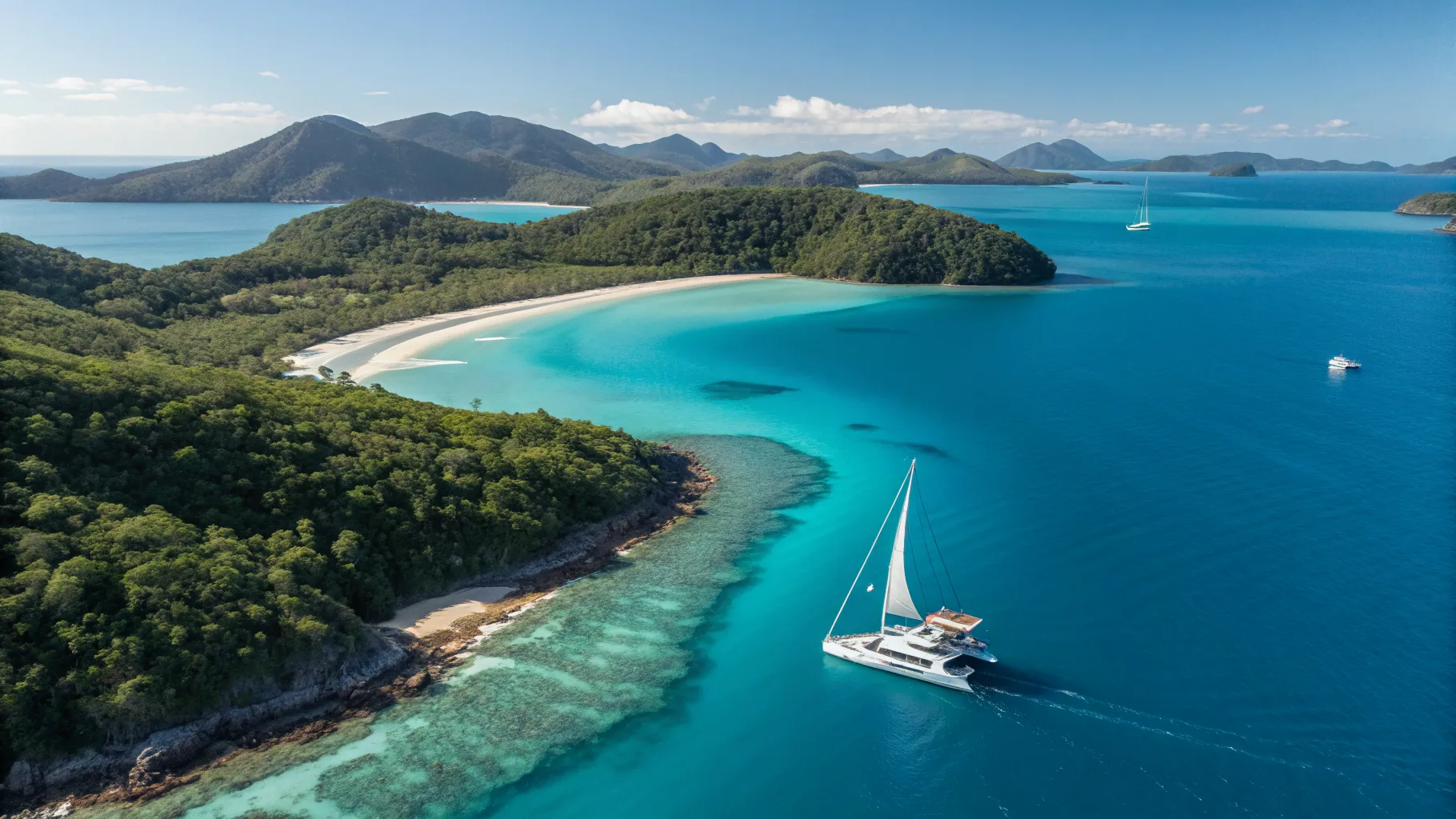
Understanding the Whitsundays Archipelago
Located off the central coast of Queensland, the Whitsundays consist of 74 tropical islands surrounded by the turquoise waters of the Coral Sea. Most of these islands are designated national parks, ensuring that their pristine beaches and dense rainforests remain protected from heavy development. This commitment to conservation makes the region a premier destination for eco-tourism and marine exploration.
Choosing to spend ten days traversing this archipelago allows visitors to move beyond the heavily trafficked day-trip spots. A longer voyage provides the time necessary to anchor in secluded coves, observe diverse marine life at dawn or dusk, and truly appreciate the vastness of the Great Barrier Reef marine park without feeling rushed.
Crafting a 10 Day Whitsundays Itinerary
A well-planned ten-day itinerary strikes a careful balance between active exploration and relaxation. While shorter trips often race to check off the most famous landmarks, an extended journey lets captains chart courses based on optimal weather and tidal conditions. This flexibility often results in a more comfortable and rewarding sailing experience.
Typical highlights on a comprehensive route will cover both iconic sights and hidden gems, providing a well-rounded queensland island cruise itinerary.
- Whitehaven Beach: Renowned for its pure silica sand that does not retain heat.
- Hill Inlet: A stunning cove where shifting tides create a swirling fusion of turquoise water and white sand.
- Hook Island: Known for excellent snorkeling spots like Manta Ray Bay and Maureen Cove.
- The Outer Reef: A journey further east to witness expansive coral formations and pelagic marine life.
Types of Whitsundays Cruise Experiences
Travelers exploring the region have several distinct styles of maritime travel to consider. Bareboat charters appeal to experienced sailors who possess the necessary licenses and prefer to navigate the waters independently. This option provides absolute freedom but requires the charterer to handle all provisioning, sailing, and safety protocols.
Conversely, those seeking a stress-free holiday frequently opt for a fully crewed vessel. An all inclusive whitsundays cruise typically provides a captain, a chef, and a deckhand. These packages cover everything from gourmet meals prepared with local ingredients to guided snorkeling excursions. The crew manages the logistics, allowing guests to focus entirely on the scenery and marine activities.
Whitsundays Cruise Pricing Guide
Understanding the costs associated with a prolonged sailing trip requires looking at various factors including the type of vessel, the season of travel, and the level of service required. Luxury catamarans with full crews represent the higher end of the market, offering spacious cabins, en-suite bathrooms, and customized dining. Mid-range options might involve joining a larger commercial sailing yacht where passengers book individual cabins and share communal spaces.
To secure favorable rates, prospective travelers should monitor the market for whitsundays cruise deals. Booking well in advance often yields early bird discounts, while last-minute openings on scheduled departures can occasionally lead to significant savings. Traveling during the shoulder seasons, such as late spring or early autumn, can also reduce costs while still providing pleasant weather conditions.
Navigating Weather and Seasons
The Whitsundays enjoy a tropical climate, but the time of year heavily influences the cruising experience. The winter months, from June to August, are highly popular due to cooler temperatures, lower humidity, and the arrival of migrating humpback whales. The steady trade winds during this period also create ideal sailing conditions for yachts and catamarans.
Summer brings warmer water temperatures which are perfect for extended snorkeling sessions, though it also coincides with the wet season and higher humidity. Visitors traveling between November and May must be aware of marine stinger season. During these months, wearing a full-body lycra stinger suit is a standard safety precaution when entering the water to protect against potential jellyfish encounters.
Essential Preparations for Your Voyage
Packing for a ten-day marine expedition requires a different approach than preparing for a standard hotel stay. Storage space on vessels, even luxury catamarans, is usually limited and uniquely shaped. Hard-sided suitcases are highly discouraged; instead, passengers should pack their belongings in soft-sided duffel bags that can be easily folded and stowed away in cabin lockers.
Life on board is predominantly casual, with a focus on sun protection and comfort. Passengers should prioritize lightweight, breathable clothing, polarized sunglasses to cut through the water glare, and wide-brimmed hats. It is also crucial to bring reef-safe sunscreen, as traditional chemical sunscreens can cause severe damage to the delicate coral ecosystems you are visiting.
Authored by FreshLifeWire team